If you find yourself faced with the frustrating problem of a leaking roof, fear not, for there are proven strategies that can help you locate and address the source of the leak. By employing a systematic approach and implementing professional techniques, you can effectively pinpoint the origin of the leak and take the necessary steps to fix it. In this article, we will explore some reliable methods that will assist you in identifying and resolving roofing leaks, ensuring the longevity and protection of your home.
Introduction to Roofing Leaks
Roofing leaks are a common and frustrating problem that many homeowners encounter. A leaking roof not only compromises the integrity of your home’s structure but can also result in costly repairs and damage to your interior. Promptly locating and fixing roof leaks is crucial to preventing further damage and maintaining the longevity of your roof. In this comprehensive guide, we will explore the common causes of roofing leaks, discuss the importance of proactive leak detection, and provide strategies for effectively locating and addressing roofing leaks.
Understanding the Common Causes of Roofing Leaks
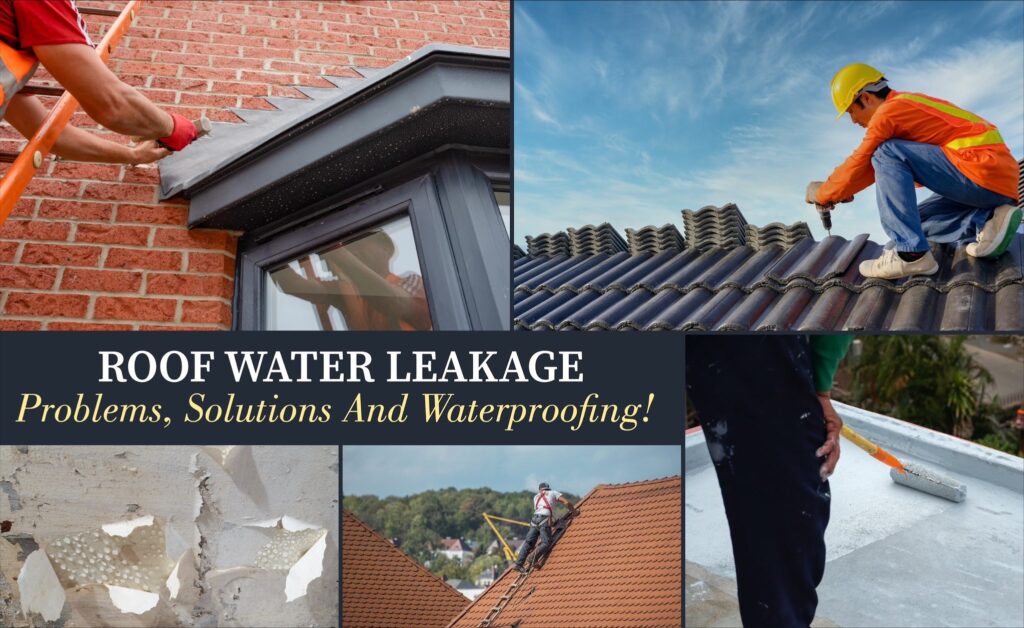
Roofing leaks can be caused by various factors, and understanding these common causes is essential for effective leak detection and prevention. Some of the primary culprits of roof leaks include damaged or missing shingles, deteriorated flashing and seals, clogged gutters and downspouts, inadequate ventilation, and the natural aging and wear of the roof. By understanding these potential causes, you can better equip yourself to identify and address leaks promptly.
This image is property of cloudfrontgharpediabucket.gharpedia.com.
Importance of Promptly Locating and Fixing Roof Leaks
Locating and fixing roof leaks promptly is of utmost importance to avoid extensive damage to your home. Water infiltration through a leaking roof can lead to issues such as mold growth, rotten wood, stained ceilings, and insulation damage. These problems not only compromise the structural integrity of your home but also pose health risks to occupants. By promptly addressing roof leaks, you can mitigate these risks, save on expensive repairs, and preserve the overall value of your property.
Visual Inspection
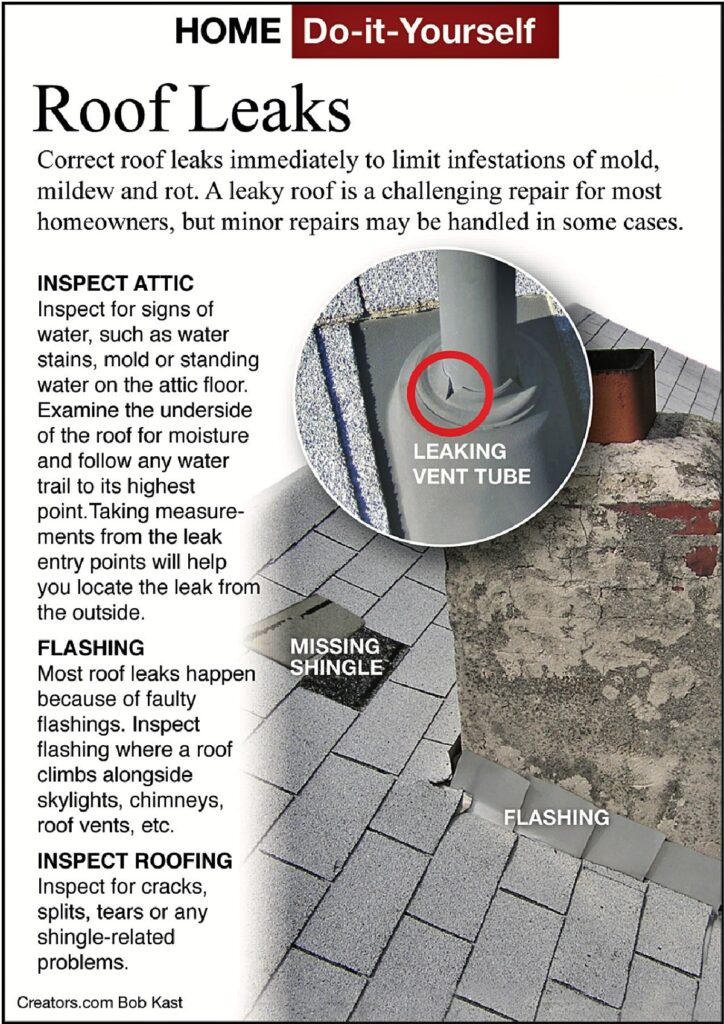
Performing a visual inspection of your roof is the first step in locating leaks. This inspection can help you identify visible signs of damage or deterioration that may be contributing to leaks. Start by examining the interior of your home for water stains on ceilings and walls, as well as any signs of mold growth. These clues can point you to the general area where the leak is occurring. Additionally, check your roof for any damaged or missing shingles, as these can create pathways for water infiltration. Inspecting the flashing and seals around chimneys, vents, skylights, and other roof penetrations is also crucial, as these areas are prone to deteriorating and developing leaks over time.
This image is property of i0.wp.com.
Water Testing
Another effective method for locating roof leaks is by conducting water tests. Using a garden hose, simulate rain by spraying water on different sections of your roof. This process allows you to visually identify specific areas where water is penetrating. It is important to conduct these tests safely and systematically to ensure accurate results. Start from the bottom of the roof and work your way up, thoroughly inspecting each section before moving on to the next. Keep track of any leak locations for further evaluation and repairs.
Attic Examination
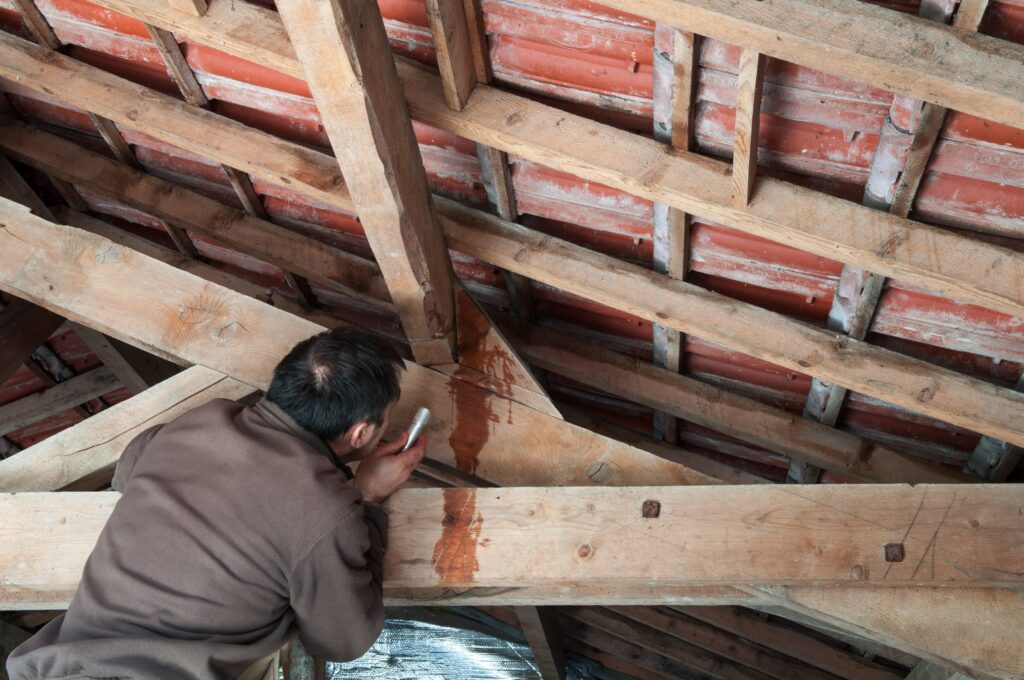
The attic can provide valuable insight into the presence and extent of roof leaks. Navigating the attic space with caution, inspect for any signs of water intrusion. Look for wet or discolored insulation, as well as any damaged rafters or ceiling joists. These are indications that water has penetrated the roof and made its way into the attic. Pay close attention to areas directly beneath suspected leak locations identified during the visual inspection or water testing process. Identifying these signs of leaks in the attic helps to narrow down the source and extent of the problem.
This image is property of www.pickardroofing.com.
Utilizing Thermal Imaging
Thermal imaging technology can be invaluable in detecting hidden roof leaks that may not be visible through traditional inspections. This non-invasive method utilizes infrared cameras to detect temperature differences, revealing areas of moisture or leaks. By renting or hiring professionals with thermal imaging equipment, you can get a comprehensive assessment of your roof’s condition and pinpoint hidden leaks. Thermal imaging can be particularly useful for homes with flat or low-slope roofs, where water may collect and seep into hard-to-reach areas.
Inspecting Gutters and Downspouts
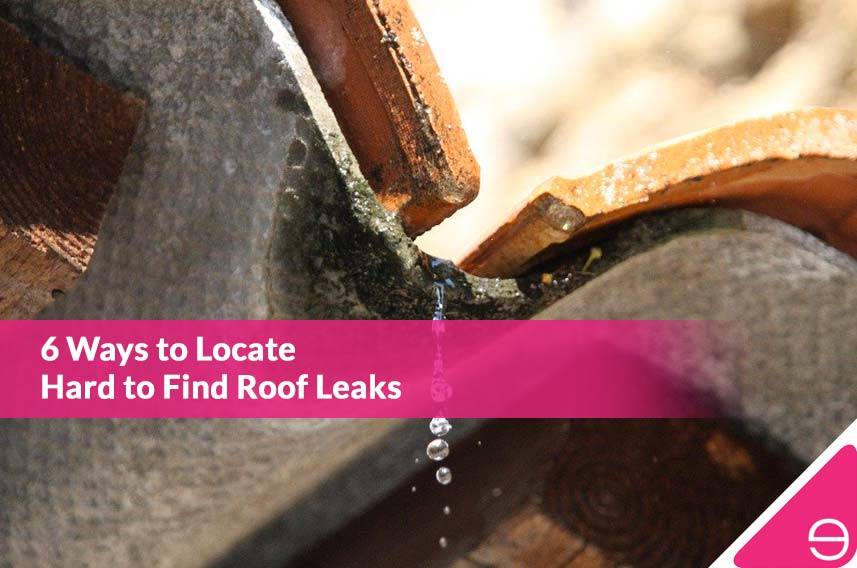
While not directly related to the roof, gutters and downspouts play a crucial role in preventing water backup and potential leaks. Regularly inspecting and maintaining your gutters is vital for a properly functioning roofing system. Begin by removing any debris, such as leaves or twigs, that may be obstructing the gutter’s flow. Clogged gutters can cause water to overflow and accumulate around the roof’s edge, leading to leaks and water damage. Additionally, check for any leaks or damage in the gutters and downspouts themselves, as these can also contribute to roof leaks.
This image is property of www.ecms-ltd.co.uk.
Evaluation of Roof Valleys and Penetrations
Roof valleys, where two sloping roof planes intersect, often experience a higher volume of water flow, making them susceptible to leaks. Regularly examine these areas for signs of deterioration, such as cracked or worn-out shingles, exposed nails, or misalignment. Roofs with poorly designed or installed valleys may also experience water infiltration, necessitating necessary repairs or modifications.
Roof penetrations, such as vents, chimneys, or skylights, are potential entry points for water if not adequately sealed. Inspect the flashing and seals around these penetrations for signs of leaks or deterioration. Look for any cracks, gaps, or loose seals that may allow water to infiltrate. Promptly addressing any issues found in these areas is crucial to preventing further damage and potential leaks.
Ventilation and Condensation Issues
Proper ventilation is vital in preventing roof leaks caused by excessive moisture buildup. Inadequate ventilation can lead to condensation, which can mimic roofing leaks and introduce moisture-related problems. Assess the ventilation system in your attic or roof space to ensure it is functioning optimally. Evaluate the intake vents, exhaust vents, and any insulation baffles to ensure proper airflow and moisture control. Addressing ventilation issues can significantly reduce the risk of leaks and other moisture-related problems.
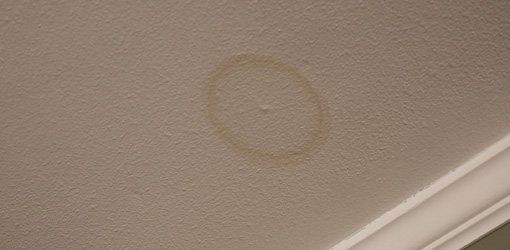
This image is property of s43635.pcdn.co.
Consideration of Age and Wear
Roofing materials, like any other components of a house, deteriorate with time and wear. As roofs age, they become more susceptible to leaks. Therefore, it is important to consider the age and condition of your roof when locating and addressing leaks. Older roofs may require more frequent inspections and maintenance to identify and prevent leaks. Additionally, regular wear and tear, such as cracking or curling shingles, may compromise the integrity of the roof and increase the likelihood of leaks. Regular evaluations of the roof’s overall condition are essential in determining the appropriate course of action for leak detection and repair.
Conclusion
Locating and addressing roofing leaks promptly is crucial for maintaining the integrity of your home and preventing costly damage. By conducting visual inspections, performing water tests, examining the attic, utilizing thermal imaging, inspecting gutters and downspouts, evaluating roof valleys and penetrations, addressing ventilation and condensation issues, and considering the age and wear of your roof, you can effectively locate and address leaks before they worsen. Proactively detecting and fixing leaks not only safeguards your property but also saves you money in the long run. Remember to prioritize regular inspections and maintenance to keep your roof in optimal condition and prevent potential leaks.
source https://roofingrepairspecialists.com/proven-strategies-for-locating-roofing-leaks/

No comments:
Post a Comment