In the realm of homeownership, few things are as disconcerting as a roof leak. The mysterious infiltration of water can lead to extensive damage and costly repairs if left unaddressed. You find yourself grappling with the question, “How do I find the source of a leak in my roof?” Fear not, for in this article, we will unveil a selection of effective methods that can assist you in pinpointing the elusive culprit behind your roof leak, enabling you to take swift and decisive action to safeguard your property against further harm.
Overview
When it comes to maintaining the integrity of your home, locating a roof leak is of utmost importance. A roof leak can lead to significant damage if left unattended, including mold growth, structural weakening, and costly repairs. Therefore, it is essential to promptly identify and address any signs of a roof leak. In this comprehensive article, we will guide you through the process of locating a roof leak, including visual inspections, water testing, attic examinations, roof inspections, chimney and skylight inspections, gutter inspections, and the importance of hiring a professional for repairs. Additionally, we will provide steps to take in order to prevent future leaks through routine roof maintenance and regular gutter cleaning.
Why is locating a roof leak important?
Locating a roof leak is crucial for several reasons. Firstly, a roof leak can result in extensive damage to your home’s interior, including ceilings, walls, and insulation. Prolonged exposure to water can lead to mold growth, which can adversely affect your health and require mold remediation services. Additionally, a roof leak can weaken the structural integrity of your home, potentially leading to costly repairs or even collapse. By promptly identifying and addressing a roof leak, you can mitigate these risks and protect the overall value and safety of your property.

This image is property of www.budgetdumpster.com.
Signs of a roof leak
Recognizing the signs of a roof leak is the first step in locating its source. While not all signs may be evident, it is crucial to be aware of the following indications:
-
Water stains on the ceiling or walls: These can appear as discolored patches or as yellowish-brown stains. They are usually a telltale sign of a roof leak.
-
Damp or musty odors: If you notice a damp or musty smell in your home, it may indicate the presence of mold caused by a roof leak.
-
Water dripping or pooling: If you observe water dripping from the ceiling or notice standing water in the attic, these are clear signs of a roof leak.
-
Peeling or bubbling paint: When water infiltrates the walls, it can cause paint to peel or bubble. This is often an indication of water damage due to a roof leak.
-
Sagging ceilings: In more severe cases, a roof leak can lead to the ceiling sagging or visibly bulging. This requires immediate attention to prevent further structural damage.
By being attentive to these signs, you can promptly take action and initiate the process of locating and repairing the source of the roof leak.
Visual Inspection
A visual inspection is an essential starting point in the process of locating a roof leak. It allows you to identify potential problem areas and narrow down the search for the source of the leak. A thorough visual inspection should be conducted both on the exterior and interior of your home.
Exterior inspection
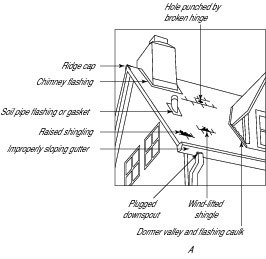
Begin by examining the roof from the ground level. Look for any obvious signs of damage, such as missing or damaged shingles, cracked flashing, or areas where the roof may be sagging. Pay close attention to areas where different roof planes intersect or where there are protrusions such as vents, chimneys, or skylights, as these are common areas for leaks to occur.
Furthermore, inspect the fascia, soffit, and gutters for signs of damage or clogging. Damaged gutters can contribute to roof leaks, so it is important to identify and address any issues in these areas.
Interior inspection
Once you have completed the exterior inspection, move indoors to conduct an interior inspection. Start by examining the ceilings and walls for any visible signs of water stains, discoloration, or peeling paint. These can provide valuable clues as to where the roof leak is located. Additionally, check for any dampness or musty odors, as these may indicate the presence of mold caused by a roof leak. It is essential to inspect all rooms in your home, as the leak may not be directly above the visible signs of damage.
This image is property of revelationroofing.files.wordpress.com.
Water Testing
If the visual inspection does not yield conclusive results, conducting water tests can help pinpoint the exact location of a roof leak. There are two common methods for water testing: using a hose and using a smoke machine.
Using a hose
To perform a water test using a hose, start by selecting a section of the roof that is suspected to be the source of the leak. Use a garden hose to spray water onto the roof surface, focusing on the area in question. While one person sprays water on the roof, another person should be inside the attic, closely monitoring for any signs of water drips or leaks. Move the hose across the suspected area, observing the attic for any signs of water infiltration.
If you do not observe any leaks in the suspected area, repeat the process for other sections of the roof until you locate the source of the leak. It is important to be patient and systematic in this process, as leaks may be intermittent or may only occur under specific conditions.
Using a smoke machine
Another effective method for water testing is using a smoke machine. This method is particularly useful for identifying leaks in hard-to-reach areas, such as roof penetrations or areas with limited access. A smoke machine generates a non-toxic, visible smoke that can be directed towards specific areas of the roof while observing for any signs of smoke escaping through potential leak points.
To conduct a smoke test, set up the smoke machine following the manufacturer’s instructions. Direct the smoke towards the suspected areas on the roof, such as around chimneys, skylights, or vents, and carefully observe for any signs of smoke escaping through potential leak points. This method can offer a more accurate and efficient means of locating roof leaks, especially in complex or hard-to-reach areas.
Attic Examination
An attic examination is a vital step in the process of locating a roof leak. The attic allows you to inspect the roof’s underside and identify any water stains or signs of damage that may be less visible from the exterior or interior of the house.
Checking for water stains
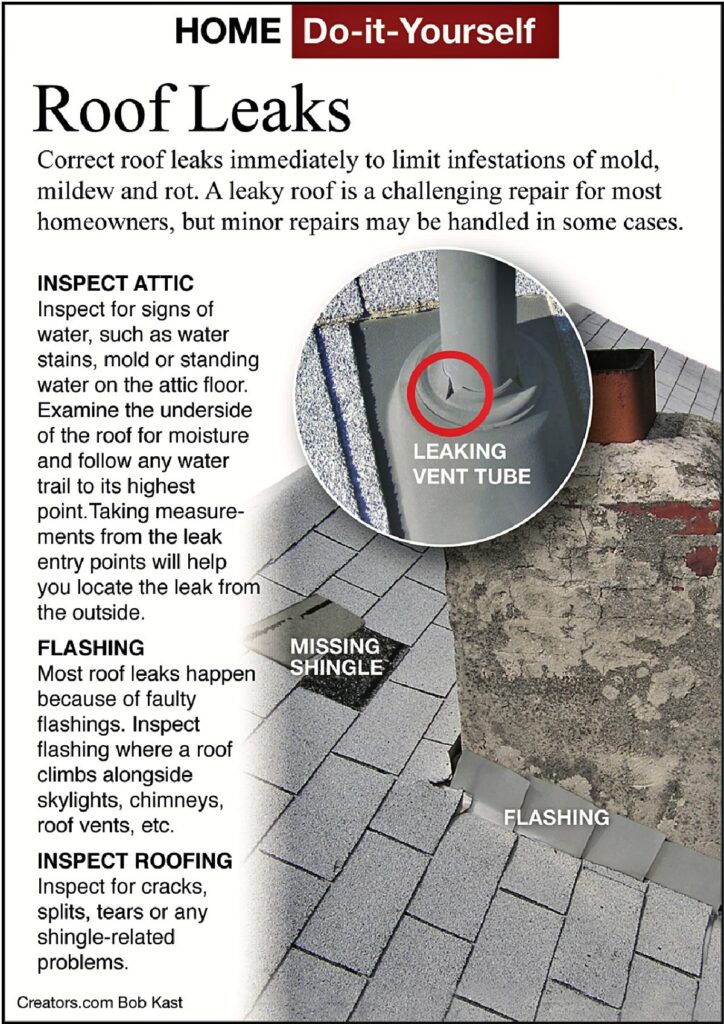
Start by carefully inspecting the underside of the roof for any signs of water stains, discoloration, or mold growth. Use a flashlight to enhance visibility and thoroughly examine all areas. Pay close attention to areas where the roof decking meets the rafters, as leaks often occur in these joints. Additionally, check the insulation for any signs of dampness or saturation.
If you identify water stains or signs of moisture, trace them back to their source to determine the exact location of the roof leak. Remember that water can travel along rafters or other structural elements, so the visible signs may not always represent the exact site of the leak.
Examining roof penetration points
Roof penetration points, such as chimneys, vents, and skylights, are common areas for leaks to occur. Carefully examine the flashing and seals around these points for any signs of damage or deterioration. Look for gaps, cracks, or loose flashing that may allow water to infiltrate. Additionally, check for any signs of deterioration around the chimney bricks or skylight frames, as these can also contribute to roof leaks.
If you identify any issues with the flashing or seals, these may need to be repaired or replaced to prevent further water infiltration and potential leaks.
This image is property of i0.wp.com.
Roof Inspection
A thorough roof inspection is crucial for identifying any damaged or deteriorated components that may be contributing to a roof leak. This inspection should be done with caution and, if necessary, with professional assistance.
Examining shingles
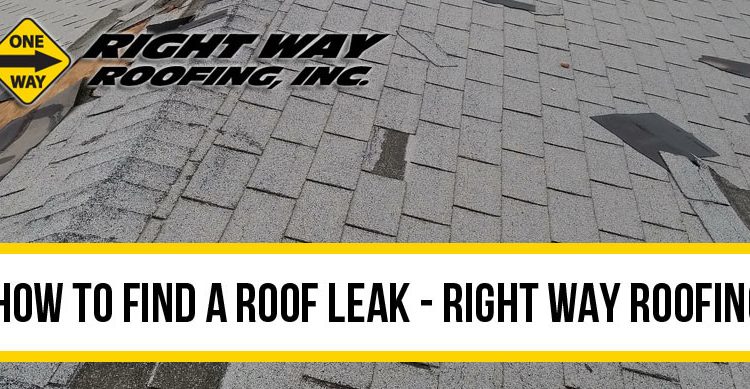
Inspect the condition of your roof shingles, paying attention to any missing, cracked, or damaged shingles. Damaged shingles can allow water to seep in and lead to leaks. Additionally, look for signs of curling or lifting shingles, as these can also create vulnerabilities for water infiltration.
If you identify damaged or deteriorated shingles, it is important to promptly replace them to maintain the integrity of your roof and prevent further leaks. If the damage is extensive or if you are uncomfortable performing the repairs, it is advisable to seek the assistance of a roofing professional.
Checking flashing
Flashing is a critical component of your roof’s waterproofing system. It is typically made of metal and is used to seal joints and intersecting areas, such as roof edges, chimneys, and vents. Over time, flashing can deteriorate or become loose, leading to potential leak points.
Carefully inspect the flashing around your roof, paying close attention to areas where different roof planes intersect or where there are penetrations. Look for signs of damage, corrosion, rust, or gaps in the flashing. If any issues are identified, it is crucial to repair or replace the flashing to prevent water infiltration and subsequent leaks.
Chimney and Skylight Inspection
Chimneys and skylights are common culprits for roof leaks due to their unique structures and vulnerabilities. Conducting a thorough inspection of these components can help identify any areas of concern.
Inspecting chimney flashing
Chimneys are prone to leakage if the flashing is damaged or improperly installed. Begin by closely examining the flashing around the base of the chimney, ensuring it is properly sealed and intact. Look for signs of corrosion, rust, gaps, or loose flashing. These can allow water to penetrate and cause leaks.
Additionally, carefully inspect the mortar joints between the chimney bricks. If you notice any cracks or deterioration, water can seep through and contribute to roof leaks. Addressing any issues with the flashing or mortar promptly can prevent further water damage and leaks.
Examining skylight seals
Skylights are another potential source of roof leaks. Start by inspecting the seals around the skylight frame, ensuring they are in good condition and properly sealed. Look for any signs of deterioration, cracks, or gaps in the seals. These can allow water to infiltrate and cause leaks.
Inspect the surrounding area for any visible signs of water stains or damage. If you identify any issues with the seals or notice signs of water damage, it may be necessary to replace or repair the skylight seals to prevent further leaks.
This image is property of azroof.com.
Gutter Inspection
Properly functioning gutters play a crucial role in preventing roof leaks by directing water away from the roof and foundation of your home. Regular gutter inspections and maintenance are essential for ensuring proper water flow and preventing clogs that can lead to roof leaks.
Clearing debris
Begin by removing any debris, such as leaves, twigs, or dirt, from the gutters and downspouts. Accumulated debris can block the flow of water and cause it to overflow onto the roof or back up into the eaves, potentially leading to roof leaks.
Use a ladder and appropriate safety precautions when accessing the gutters. Wear gloves to protect your hands and use a hose or a small brush to clear away any clogs or blockages. If the gutters are severely clogged or if you are uncomfortable performing the task, it is advisable to seek professional assistance.
Ensuring proper water flow
Once the gutters are cleared of debris, ensure that they are properly aligned and securely attached to the roofline. Check that the gutter slope is angled towards the downspouts to allow water to flow freely. This prevents water from pooling on the roof and reduces the risk of leaks.
Inspect the downspouts for any signs of damage or blockages. Ensure that they are directing the water away from the foundation of your home. If necessary, use a garden hose to flush out any remaining debris and verify that the downspouts are functioning correctly.
Regular gutter inspections and cleaning, especially before and after the rainy season, can help prevent clogs and maintain optimal water flow, reducing the risk of roof leaks.
Roofing Professional
While many homeowners are capable of performing basic inspections and maintenance tasks, there are instances where it is advisable to hire a roofing professional to locate and address roof leaks.
When to hire a roofing professional
If you are unable to locate the source of the roof leak or if the extent of the damage is beyond your expertise, it is recommended to hire a roofing professional. Additionally, if your roof is steep, complex, or particularly high, it is safer to entrust the inspection and repairs to a professional. Furthermore, if the repairs require specialized equipment, such as harnesses or scaffolding, it is essential to hire a professional who is experienced in working at heights.
Additionally, if you are uncertain about the presence of mold or if you suspect extensive water damage, it is crucial to consult with a professional before proceeding with any repairs. They can assess the situation, conduct necessary tests, and provide guidance on the appropriate actions to take.
Choosing the right roofing professional
When selecting a roofing professional, it is important to consider several factors. First and foremost, ensure that the roofer is licensed and insured, providing protection for both you and the workers. Request references and review their portfolio to gauge their experience and expertise in locating and repairing roof leaks.
Obtain multiple quotes to compare prices and services. Be wary of significantly low prices, as they may indicate subpar materials or workmanship. Verify that the roofer offers a warranty for their services, providing peace of mind should any further issues arise.
Lastly, communication is key. Choose a roofing professional who listens to your concerns, explains the process clearly, and addresses any questions you may have. A reputable roofer will provide a detailed estimate, outline the scope of work, and keep you informed throughout the entire process.
This image is property of www.budgetdumpster.com.
Repairing the Roof Leak
Once the source of the roof leak has been identified, it is crucial to promptly address it to prevent further damage. While some repairs can be tackled by homeowners with basic DIY skills, others may require professional assistance.
Fixing damaged shingles
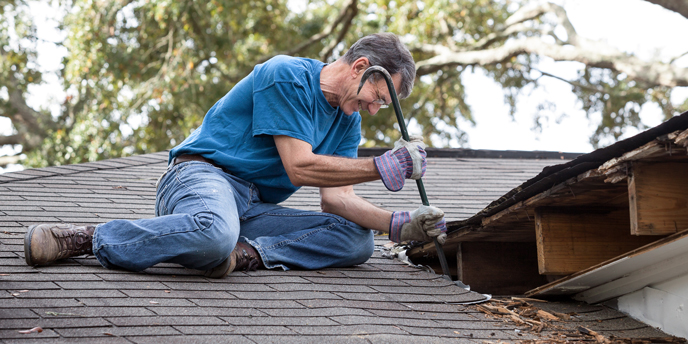
If the roof leak is caused by damaged or deteriorated shingles, you can attempt to replace them yourself if you are comfortable working on the roof. Start by carefully removing the damaged shingle, utilizing a pry bar to lift the surrounding shingles. Be cautious not to damage adjacent shingles during the process.
Once the damaged shingle is removed, inspect the underlying area for any signs of water damage or deterioration. Address any issues before installing the new shingle. Slide the new shingle into place, aligning it with the surrounding shingles and ensuring a tight fit. Secure the shingle with roofing nails, placing them in the designated nail slots.
If you are uncomfortable performing the repairs or if the damage is extensive, it is advisable to seek the assistance of a professional roofer. They have the experience and expertise to accurately assess the extent of the damage and perform the necessary repairs, ensuring the integrity of your roof.
Replacing damaged flashing
If the roof leak is attributed to damaged or deteriorated flashing, it is recommended to seek professional assistance for repairs. Flashing repairs involve intricate work and require specialized knowledge and tools.
A roofing professional will carefully remove the damaged flashing and replace it with new, properly sealed flashing. They will ensure that the flashing is correctly installed, providing a watertight seal and preventing future leaks. Additionally, they can inspect the surrounding area for any signs of damage or deterioration and address any underlying issues.
By relying on the expertise of a roofing professional for repairs, you can have confidence in the quality and longevity of the solution, reducing the risk of recurring roof leaks.
Preventing Future Leaks
Once the roof leak has been located and repaired, it is essential to take proactive measures to prevent future leaks. Regular maintenance and proper care can significantly prolong the lifespan of your roof and minimize the risk of future problems.
Routine roof maintenance
Schedule regular roof inspections, ideally at least once a year, to assess the condition of your roof and identify any potential issues. By catching small problems early on, you can prevent them from developing into larger, more costly repairs. Consider performing these inspections before and after the rainy season to address any new leaks or damage caused by storms.
Additionally, trim overhanging tree branches to prevent them from scraping against the roof during high winds or causing debris buildup. Keep the roof clear of leaves, pine needles, and other debris that can trap moisture and accelerate the deterioration of roofing materials.
Regular gutter cleaning
Proper gutter maintenance is crucial for preventing future roof leaks. Regularly clean your gutters to remove debris that can cause clogs and impair water flow. In addition to the pre- and post-rainy season cleaning, consider clearing the gutters during autumn when leaves are more likely to accumulate. This will ensure that water can be effectively directed away from your roof, reducing the risk of leaks.
Inspect the gutters for signs of damage, such as sagging or rust, and address any issues promptly. Ensure that downspouts extend away from the foundation of your home to prevent water from pooling near the base of your walls, potentially causing leaks.
By implementing these preventative measures and maintaining the cleanliness and functionality of your roof and gutters, you can significantly reduce the likelihood of future roof leaks.
In conclusion, locating a roof leak is a critical task for homeowners to preserve the integrity and safety of their homes. By conducting visual inspections, performing water tests, examining the attic and roof, inspecting chimneys and skylights, clearing gutters, and engaging with qualified roofing professionals, you can effectively locate a roof leak and prevent further damage. With proper repairs and preventative measures, you can ensure the longevity and durability of your roof, providing peace of mind for years to come.
source https://roofingrepairspecialists.com/effective-methods-for-locating-a-roof-leak/

No comments:
Post a Comment