Roof leaks can be a frustrating and damaging problem for homeowners. When faced with a leak, it’s natural to wonder if it can be fixed from the inside of the house. In this article, you will discover effective techniques to patch a roof leak from within your home, empowering you to take proactive measures and prevent further damage to your property. Through practical steps and expert tips, you will gain the knowledge and confidence to address the issue head-on, ensuring a watertight and secure roof for years to come.
Inspect the Roof
Before attempting to fix a roof leak from the inside, the first step is to inspect the roof. This will help you identify the source of the leak and determine the severity of the issue. Inspecting the roof requires a careful assessment of the overall condition and any visible signs of damage. Look for missing or damaged shingles, cracks, holes, or any areas that may be susceptible to leaks.
Identify the Source of the Leak
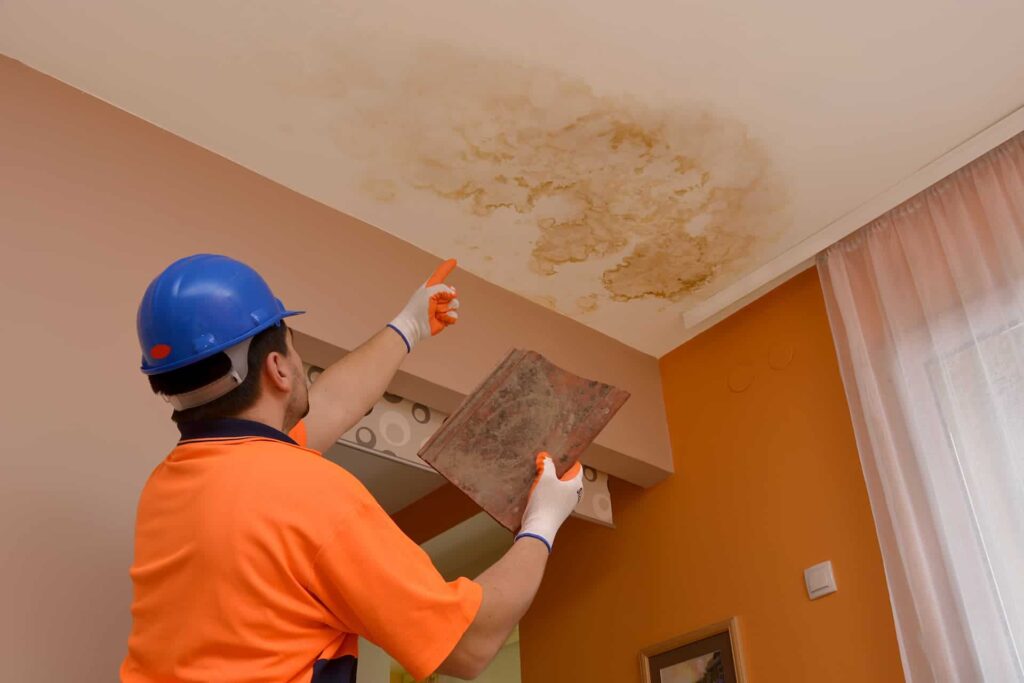
Once you have inspected the roof, it is essential to accurately identify the source of the leak. This can be a challenging task as water can travel along the roof’s surface, making it appear as if the leak is coming from a different location. Look for water stains or moisture marks on the ceiling or walls, as they can provide clues about the actual source. Follow the trail of water stains back to its starting point to pinpoint the exact area of the roof that needs repair.
Check for Other Damage
While inspecting the roof, it is crucial to check for any other visible damage. This includes looking for cracks, holes, or gaps in the roof structure. Additionally, examine the flashing around chimneys, vents, or skylights, as they are common areas for leaks to occur. Identifying any secondary damage will help you better understand the extent of repairs needed and ensure a comprehensive fix.
Assess the Severity of the Leak
After identifying the source of the leak and checking for other damage, it is important to assess the severity of the leak. Some leaks may be minor and can be easily fixed with a temporary solution, while others may require more extensive repairs. Evaluating the severity of the leak will help you determine the appropriate course of action and whether professional help is necessary.
Gather Materials and Tools
Once you have assessed the roof and determined the severity of the leak, it is time to gather the necessary materials and tools for the repair. Having the right equipment on hand will ensure a smooth and efficient process.
Safety Equipment
Your safety should always be a top priority when working on any home repair project, including fixing a roof leak from inside. It is important to have appropriate safety equipment, such as work gloves, protective eyewear, and a dust mask or respirator. Additionally, if accessing the roof or working in the attic, consider using a sturdy ladder and fall protection equipment to prevent accidents.
Sealant or Patching Material
To seal the leak, you will need an appropriate sealing or patching material. The selection of the material will depend on the type of roof and the severity of the leak. Common options include roof sealants, roofing cement, or roofing patches. Ensure that the material you choose is suitable for the specific type of roof and compatible with the existing roofing materials.
Tools: Hammer, Putty Knife, Caulking Gun, etc.
Various tools will be required to complete the repair effectively. Some essential tools for fixing a roof leak from inside include a hammer, putty knife, caulking gun, screwdriver, utility knife, and a pry bar. These tools will help you remove any damaged materials, create a clean surface for sealing, and apply the patch or sealant accurately. It is essential to have these tools readily available before proceeding with the repair.
This image is property of www.pjfitz.com.
Prepare the Area
Before starting the repair process, it is important to prepare the area to minimize any potential damage or mess during the repair.
Clear the Surrounding Area
Clearing the surrounding area is essential to create a safe and clutter-free workspace. Remove any furniture, decorations, or objects that could be damaged during the repair process. Clearing the area will also provide you with more space to move and work comfortably.
Protect Furniture and Belongings
In addition to clearing the area, it is necessary to protect your furniture and belongings. Use plastic sheets or tarps to cover the furniture and any valuable items in the vicinity of the repair. This precautionary measure will prevent any accidental splashes or damage while working on the roof leak.
Cover the Floor or Any Vents
If the roof leak is significant, it may cause water to drip onto the floor or through vents. To prevent water damage, it is advisable to cover the floor with additional plastic sheets or tarps. This will catch any water that may escape during the repair process. Similarly, cover any vents in the ceiling or walls to prevent debris or water from entering the living space.
Temporary Solution: Use a Bucket
In certain situations, while waiting for a permanent fix or during severe storms, using a temporary solution can help manage the roof leak and minimize damage.
Position a Bucket to Collect Water
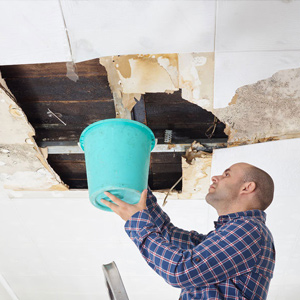
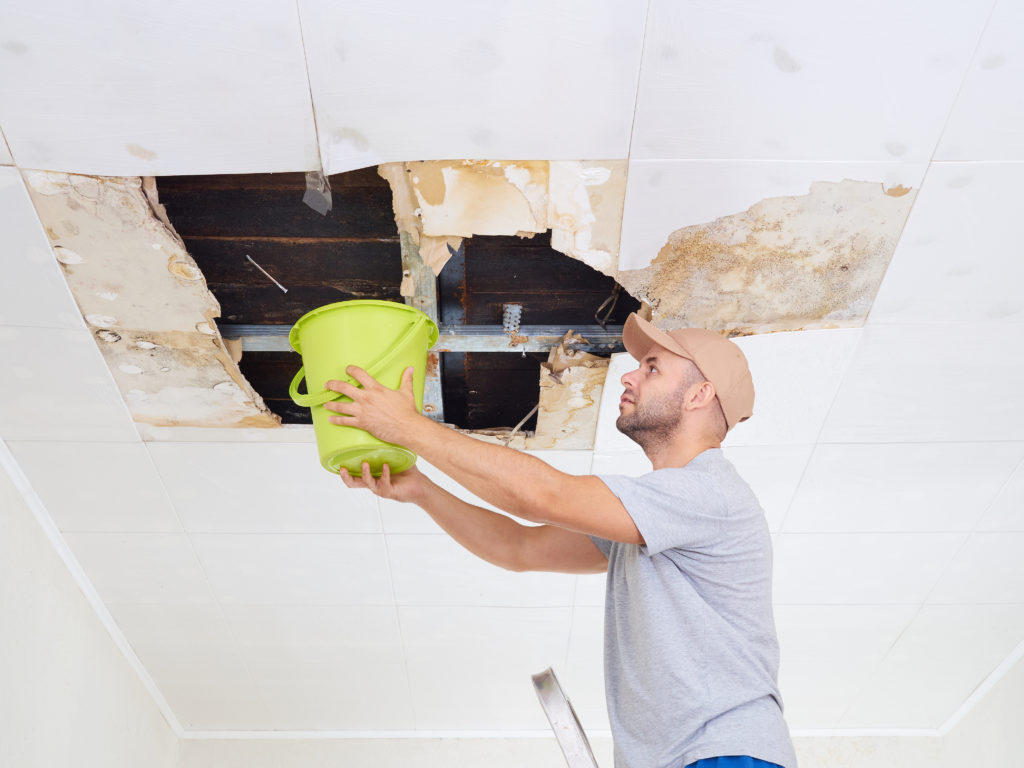
Place a sturdy bucket directly below the source of the leak to collect the water. Ensure that the bucket is stable and can hold a substantial amount of water. Positioning the bucket directly below the leak will help prevent any further water damage to the surrounding area.
Empty the Bucket Regularly
Depending on the severity of the leak, the bucket may fill up quickly. It is essential to empty the bucket regularly to ensure it does not overflow. Set a schedule to check the bucket and empty it as needed. This will help prevent any accidental spills or flooding in your living space.
Monitor the Leak for Changes
While using a bucket as a temporary solution, it is crucial to monitor the leak for any changes. Keep an eye on the amount of water collected in the bucket and observe if the leak worsens or if additional leaks appear. Monitoring the leak will provide valuable information when assessing the effectiveness of the temporary solution and planning for the permanent repair.
This image is property of s42814.pcdn.co.
Locate and Seal the Leak
Once you have prepared the area and implemented a temporary solution, it is time to locate and seal the leak permanently. This requires accessing the attic or crawlspace to inspect the underside of the roof.
Access the Attic or Crawlspace
To access the underside of the roof, you will likely need to enter the attic or crawlspace. Ensure you have a reliable and sturdy ladder to safely navigate to the desired location. Take precautions when moving in these confined spaces, as there may be wires, insulation, or other obstacles that could pose a hazard.
Follow the Water Stains or Moisture
Once in the attic or crawlspace, carefully examine the area directly above the source of the leak. Look for water stains, signs of moisture, or any visible damage on the underside of the roof. Follow the trail of water stains or moisture to trace the path from the roof’s exterior to the interior. This will lead you to the exact location of the leak.
Identify Cracks, Holes, or Gaps in the Roof
With the leak located, it is essential to identify any cracks, holes, or gaps in the roof that are causing the issue. Inspect the area around the leak for any visible signs of damage. This can include damaged shingles, improper flashing, or gaps in the roof structure. Identifying the specific problem areas will help determine the appropriate repair method.
Clean and Prep the Area
Before applying any patch or sealant, it is crucial to clean and prepare the area around the leak. This will ensure proper adhesion and improve the effectiveness of the repair.
Remove Debris or Obstructions
Clear away any debris or obstructions in the immediate vicinity of the leak. Use a broom or vacuum to remove loose dirt, dust, or small debris. Creating a clean and smooth surface will enhance the bond between the patching material and the roof.
Clean the Surface around the Leak
Next, clean the surface around the leak more thoroughly. Use a mild detergent or roof cleaner, along with a brush or sponge, to remove any stubborn dirt, mold, or grime. Rinse the area with water and allow it to dry completely before proceeding with the repair.
Ensure the Area is Dry
After cleaning the surface, it is crucial to ensure the area is completely dry before applying any patch or sealant. Use a towel or fan to expedite the drying process if needed. Any moisture remaining on the surface can interfere with the adhesion of the patching material and compromise the effectiveness of the repair.
This image is property of roofclaim.com.
Apply a Patch or Sealant
With the area cleaned and prepared, it’s time to apply the patch or sealant to the leak. This will help create a barrier and prevent further water penetration.
Choose the Suitable Patching Material
Select an appropriate patching material that is compatible with your roof type and the severity of the leak. Roofing patches, roof sealants, or roofing cements are commonly used for this purpose. Follow the manufacturer’s instructions to ensure proper application and optimal results.
Follow Manufacturer’s Instructions
Before applying the patch or sealant, carefully read and follow the manufacturer’s instructions. Different products may have specific application methods or drying times. Adhering to these instructions will help ensure a successful repair and maximize the lifespan of the patch or sealant.
Apply the Patch or Sealant to the Leak
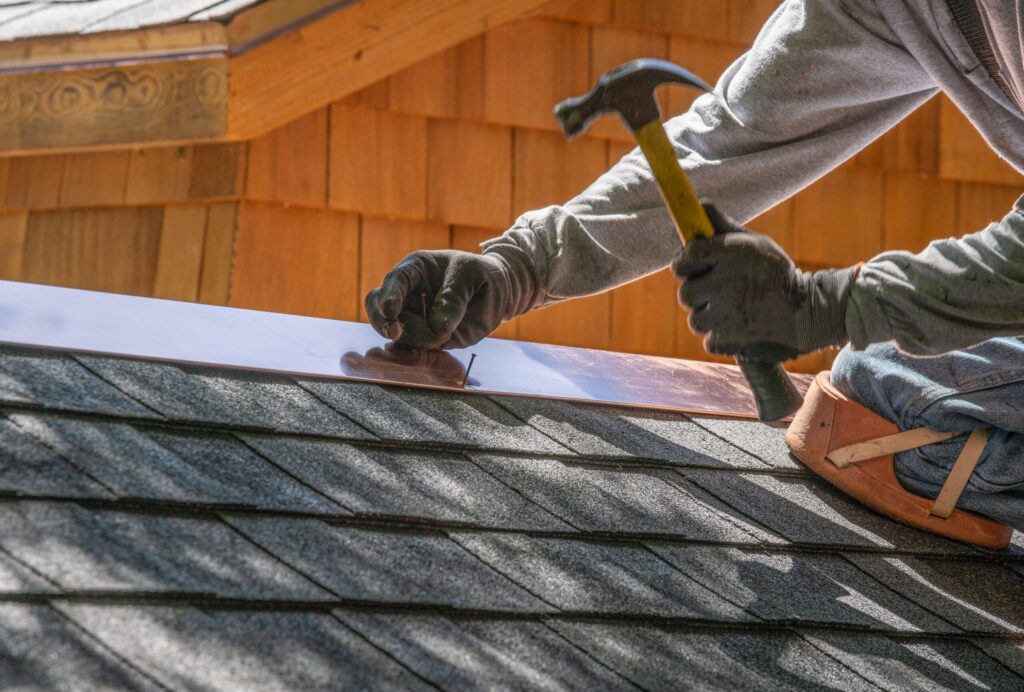
Using the tools gathered earlier (such as a putty knife or caulking gun), apply the patch or sealant to the leak. Begin by filling any visible cracks or holes with the patching material, ensuring complete coverage. Smooth out the applied material to create a seamless finish. Take care to follow the shape and direction of the roof to maintain a consistent appearance.
Reinspect the Roof
After applying the patch or sealant, it is essential to reinspect the roof to verify the effectiveness of the repair and identify any additional leaks or weak spots.
Check the Patched Area for Leaks
Thoroughly examine the area where the patch or sealant was applied for any signs of leaks. Look for any water stains, moisture buildup, or new signs of damage. If there are no visible leaks, it indicates that the repair was successful in addressing the initial problem.
Verify the Effectiveness of the Repair
Beyond the immediate area of the repair, it is important to check the surrounding roof areas for any possible leaks or weak spots. Sometimes, one leak can indicate a broader issue with the roof’s integrity. Verify that the repaired area is holding up well and that there are no other visible signs of water intrusion.
Look for Any Additional Leaks or Weak Spots
While inspecting the roof, be vigilant in searching for any additional leaks or weak spots. Pay attention to nearby areas, especially those susceptible to damage, such as joints, flashing, or areas around chimneys and vents. Locating and addressing any additional leaks promptly will help prevent further damage to the roof and potential issues in the future.
This image is property of oldtimeroofing.net.
Monitor and Maintain
Fixing a roof leak from the inside is not the end of the maintenance process. Regular monitoring and maintenance are necessary to ensure the longevity of the repair and prevent further leaks.
Regularly Check the Patched Area
Make it a habit to regularly check the patched area for any signs of leaks or damage. Perform visual inspections after heavy rainfalls or severe weather events. By catching any potential issues early on, you can address them promptly and minimize any potential damage.
Address Any New Leaks Promptly
If you notice any new leaks or signs of water intrusion, it is essential to address them promptly. Investigate the root cause of the new leak and determine the appropriate repair method. Ignoring new leaks can lead to further damage and potentially more extensive repairs in the future.
Perform Periodic Roof Inspections
In addition to monitoring the patched area, it is advisable to perform periodic roof inspections. These inspections should be conducted at least twice a year and involve a thorough examination of the entire roof surface. Look for any signs of wear and tear, damaged shingles, or deteriorating flashing. Identifying and resolving minor issues early on can help prevent major leaks and extend the lifespan of your roof.
Consider Professional Help
While fixing a roof leak from inside the house can often be a DIY project, certain situations may require professional assistance. It is important to know when to seek expert advice or hire a roofing contractor.
Consult with a Roofing Contractor
If you are uncertain about the extent of the repair or lack the necessary skills and experience, consider consulting with a roofing contractor. They have the expertise to assess the roof’s condition accurately and recommend the most suitable repair method.
Evaluate the Complexity of the Repair
When determining if professional help is required, evaluate the complexity of the repair. If the leak is extensive, involves major structural damage, or requires specialized equipment and knowledge, it is best to hand over the task to professionals. They have the resources and skills to tackle complex repairs safely and efficiently.
Get Expert Advice if Needed
Even if you decide to fix the roof leak yourself, it is always beneficial to seek expert advice if needed. Consultation with a roofing professional can provide valuable insights and guidance on the most effective repair techniques, materials, or other considerations specific to your roof type and situation.
In conclusion, fixing a roof leak from inside the house can be a manageable task with the right approach and preparation. From inspecting the roof and identifying the source of the leak to applying a patch or sealant, following a comprehensive process is essential. Remember to prioritize safety, monitor the repair, and consider professional assistance when necessary. By addressing roof leaks promptly and effectively, you can maintain the integrity of your roof and prevent further damage to your home.
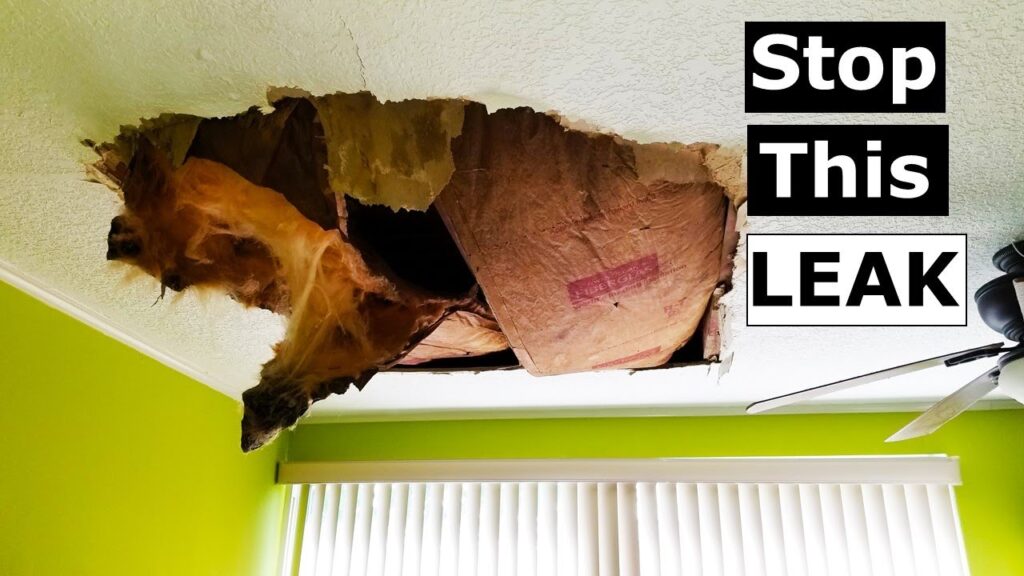
This image is property of i.ytimg.com.
source https://roofingrepairspecialists.com/how-to-patch-a-roof-leak-from-inside-the-house/

No comments:
Post a Comment