In the realm of building maintenance, one common headache that homeowners often encounter is dealing with roof leaks caused by missing shingles. Whether it is due to age, severe weather conditions, or improper installation, the absence of these protective layers can leave your property vulnerable to water damage. This article will explore the causes, potential consequences, and effective solutions for addressing such roof leaks, providing you with the necessary knowledge and guidance to safeguard your home from this pesky problem.
Overview
When it comes to maintaining the integrity of a roof, missing shingles can pose a significant problem. Whether it is due to age, extreme weather conditions, or poor installation, missing shingles can lead to various issues such as roof leaks and water damage. In this comprehensive article, we will delve into the causes of missing shingles, how to identify them, and the effects they can have on your roof.
What causes missing shingles?
Missing shingles can be caused by a variety of factors. One common cause is age, as older shingles may become loose or dislodged over time. Additionally, strong winds, heavy rain, hailstorms, or even falling debris can also lead to missing shingles. Poor installation practices, such as improper fastening or insufficient adhesive, can further contribute to shingles coming off.

This image is property of reggiereedroofing.com.
How to identify missing shingles?
Identifying missing shingles is essential to address the issue promptly. One of the most noticeable signs is the presence of bare spots or gaps on your roof’s surface. These areas may look discolored compared to the rest of the roof and may also expose the underlying roofing materials. Additionally, you may notice loose or damaged shingles nearby, especially after severe weather conditions. Regular roof inspections can help you identify missing shingles before they escalate into more significant problems.
Effects of missing shingles on the roof
Missing shingles can have detrimental effects on the overall integrity of your roof. Firstly, they expose the underlying roofing materials to the elements, including rain, snow, and sunlight. This can lead to accelerated wear and tear, causing further damage to the roof structure. Without the proper barrier provided by intact shingles, water can penetrate the roof and potentially cause leaks, leading to water damage inside your home. Furthermore, missing shingles can compromise your roof’s ability to regulate temperature and energy efficiency.
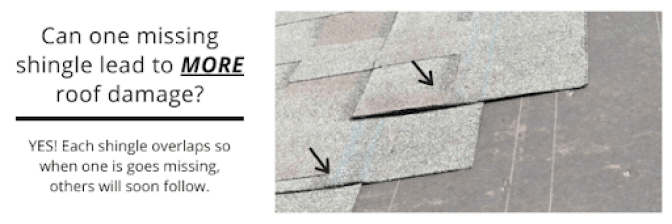
This image is property of i0.wp.com.
Immediate actions
When you discover missing shingles on your roof, it’s important to take immediate actions to mitigate further damage and ensure safety.
Safety precautions
Before attempting any repairs or temporary fixes, it’s crucial to prioritize safety. Ensure you have a sturdy ladder and proper safety equipment before ascending to the roof. Avoid working alone and consider having someone else present as an extra precaution. Additionally, be mindful of weather conditions and avoid working on the roof during adverse weather, such as rain or strong winds.
Covering the exposed area temporarily
To prevent water from infiltrating your home, it is crucial to cover the exposed area temporarily. Using a waterproof tarpaulin or heavy-duty plastic sheeting, carefully secure it over the gap left by the missing shingle. Make sure the covering extends beyond the exposed area to provide adequate protection. This temporary fix will help prevent further water damage until a more permanent solution can be implemented.
Temporary fixes
While covering the exposed area temporarily is essential, there are also temporary fixes available that can provide further protection until a professional can address the issue.
Using roofing cement
Roofing cement, also known as asphalt roof cement, can be used to seal the exposed area temporarily. Apply the cement using a putty knife, ensuring it is spread evenly and covers the gap left by the missing shingle. This will help create a water-resistant barrier and prevent water from infiltrating your home. However, keep in mind that this is only a temporary solution and should be followed up with permanent repairs.
Installing a tarpaulin
As mentioned earlier, using a tarpaulin or heavy-duty plastic sheeting is an effective way to cover the exposed area temporarily. Measure the area accurately and secure the tarpaulin tightly using nails or other suitable fasteners. Ensure the edges are properly secured to prevent wind uplift. While this method provides protection in the short term, it is essential to schedule professional repairs to address the missing shingles promptly.
Using adhesive patches
If the missing shingles are small or the damage is minor, adhesive patches can be used as a temporary fix. These patches are designed to adhere to the existing shingles and cover the exposed area. Clean the area thoroughly before applying the patch to ensure proper adhesion. However, it is important to note that adhesive patches are not a permanent solution and should be followed up with proper repairs.
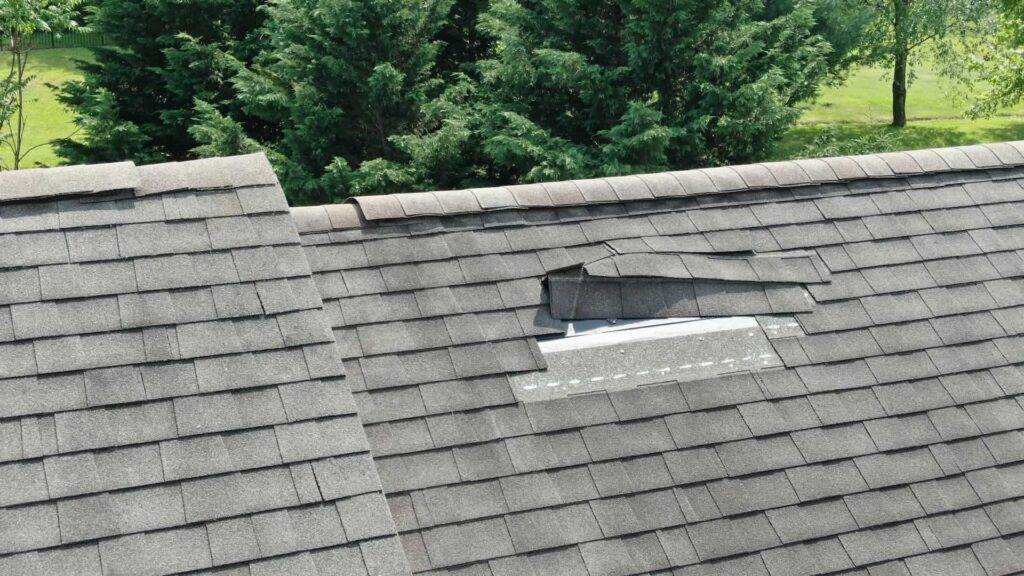
This image is property of roofclaim.com.
Long-term solutions
While temporary fixes can provide immediate relief, it is crucial to implement long-term solutions to address the issue of missing shingles.
Replacing missing shingles
The most effective long-term solution for missing shingles is to replace them entirely. This involves removing the damaged or missing shingles and installing new ones in their place. It is recommended to hire a professional roofer for this task to ensure proper installation and alignment with the existing roofing system. Replacing missing shingles will not only restore the aesthetic appearance of your roof but also protect it from further damage.
Roofing repairs and maintenance
In addition to replacing missing shingles, it is important to regularly assess the condition of your roof and perform necessary repairs and maintenance. This can include fixing loose or damaged shingles, securing any loose flashing or vents, and resealing any areas that may be prone to leaks. Regular maintenance will help prolong the lifespan of your roof and prevent future issues.
Hiring a professional roofer
While some minor repairs can be done by homeowners, it is always advisable to hire a professional roofer for any extensive repairs or maintenance. A professional roofer has the knowledge, experience, and equipment necessary to handle the intricacies of roof repairs accurately. They can also provide expert advice on preventative measures and recommend the best course of action for your specific situation.
Preventing future damage
After addressing the issue of missing shingles, implementing preventive measures is key to minimizing the risk of future damage and ensuring the longevity of your roof.
Regular roof inspections
Regular roof inspections, conducted by either yourself or a professional, are crucial in identifying potential issues before they escalate. Inspect your roof at least twice a year, preferably in the spring and fall, to check for any loose or damaged shingles, signs of wear, or areas requiring maintenance. Promptly addressing these minor issues can prevent them from developing into major problems.
Maintaining gutters and downspouts
Properly maintained gutters and downspouts play a vital role in preventing water damage to your roof. Clean your gutters regularly to remove any debris, such as leaves or twigs, that can obstruct the flow of water. Ensure that downspouts are clear and directing water away from the foundation of your home. A well-functioning gutter system will help prevent water from accumulating on your roof and causing damage.
Trimming overhanging tree branches
Overhanging tree branches can pose a risk to your roof, especially during storms or high winds. Take the necessary steps to trim back any branches that are close to or touching your roof. This will help prevent branches from falling onto your roof and potentially causing damage to the shingles. Additionally, regularly trimming overhanging branches can reduce the accumulation of debris on your roof, minimizing the risk of blockages in your gutters.
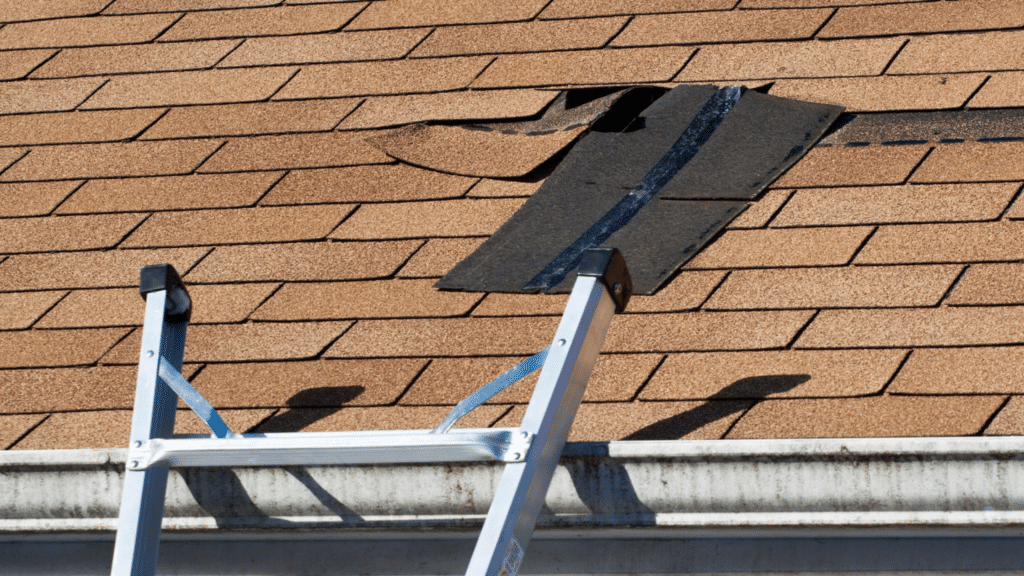
This image is property of briggsroofing.com.
Impact on interior
Missing shingles and roof leaks can have a significant impact on the interior of your home, making it crucial to address any issues promptly.
Importance of addressing roof leaks
When missing shingles lead to roof leaks, it is paramount to address them as soon as possible. Roof leaks can result in significant water damage to the interior of your home, including ceilings, walls, and even personal belongings. Ignoring or delaying repairs can lead to costly and extensive damage, including mold growth and weakened structural integrity. Take immediate action to mitigate further damage and prevent potential health hazards associated with mold and mildew.
Identifying water damage
Water damage caused by missing shingles and roof leaks may not always be immediately apparent. However, there are signs to look out for that indicate water intrusion. These include water stains on ceilings or walls, peeling or bubbling paint, sagging drywall, or a musty odor in a particular area. Regularly inspect your interior spaces for these signs of water damage, especially after a heavy rainfall or when you notice missing shingles on your roof.
Repairing water-damaged ceilings and walls
If water damage has occurred due to missing shingles and subsequent roof leaks, it is essential to address the repairs promptly. Depending on the extent of the damage, repairs may involve patching or replacing damaged drywall, repainting affected areas, or even seeking professional help to address any structural issues. It is important to ensure that any underlying moisture issues are resolved before proceeding with repairs to prevent further damage and potential mold growth.
Insurance coverage
In the event of roof leaks and water damage caused by missing shingles, understanding your insurance policy is crucial to determine if you are eligible for coverage.
Understanding your insurance policy
Review your homeowner’s insurance policy to understand the coverage it provides for roof damage and water leaks. Different policies may have varying terms, including coverage limits, deductibles, and exclusions. Familiarize yourself with the specific provisions related to roof repairs and water damage to determine what expenses may be covered by your insurance.
Filing a claim for roof leaks
If your insurance policy covers roof leaks caused by missing shingles, it may be necessary to file a claim with your insurance provider. Contact your insurance company as soon as possible to report the damage and initiate the claims process. Provide them with all relevant information and documentation, including photographs of the missing shingles, the exposed area, and any visible water damage inside your home. Be prepared for an adjuster to assess the damage and determine the extent of coverage.
Receiving compensation for repairs
Upon approval of your claim, your insurance company will provide compensation for the necessary repairs. It is important to follow their guidelines and procedures for selecting contractors and obtaining estimates. Keep detailed records of all expenses related to the repairs, including invoices, receipts, and any other documentation required by your insurance company. This will ensure a smooth reimbursement process and help you accurately track the financial impact of the repairs.
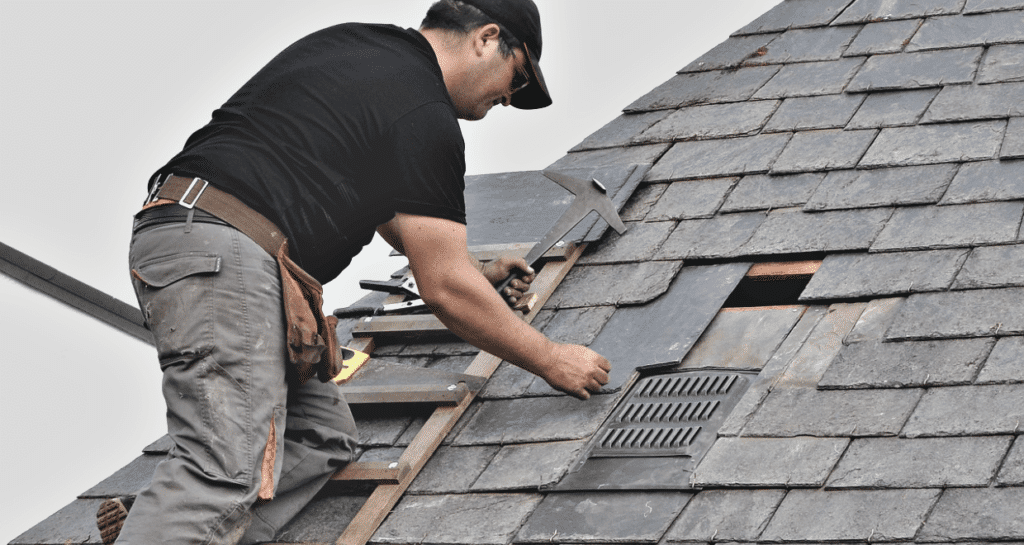
This image is property of smartroofinc.com.
Cost considerations
When dealing with missing shingles and roof repairs, it is essential to consider the associated costs and plan accordingly.
Factors influencing repair costs
Several factors can influence the cost of repairing missing shingles and addressing roof leaks. The size and complexity of the roof, the extent of the damage, and the type of shingles used are some of the primary factors to consider. Additionally, the need for additional repairs, such as fixing damaged flashing or replacing underlayment, can also impact the overall cost. Labor costs, local market rates, and contractor fees are other factors that could influence the total cost.
Estimating repair expenses
Obtaining estimates from reputable roofing contractors is the best way to determine the potential repair expenses for missing shingles and roof leaks. A thorough assessment of the damage will allow contractors to provide accurate estimates based on required materials, labor, and any additional repairs needed. It is advisable to obtain multiple quotes to compare prices and ensure you are getting a fair and competitive price for the repairs.
Budgeting for roof maintenance
While roof repairs can have a financial impact, it is important to budget for ongoing roof maintenance to prevent future issues. Regular inspections, minor repairs, and general upkeep should be factored into your annual budget. By setting aside funds for routine maintenance, you can minimize surprises and address minor issues promptly, ultimately extending the lifespan of your roof and avoiding costly repairs in the long run.
DIY vs. Professional
When faced with missing shingles and roof repair, it is essential to assess whether to tackle the repairs yourself or hire a professional.
When to attempt repairs yourself
Some minor repairs, such as using adhesive patches or applying roofing cement, can be done by homeowners with basic DIY skills. These temporary fixes can provide short-term relief until professional repairs can be scheduled. However, it is important to know your limitations and when to seek professional assistance. If the damage is extensive or if you are unsure about the correct repair methods, it is advisable to leave the repairs to a professional.
Instances requiring professional help
In many cases, missing shingles and roof repairs require the expertise of a professional roofer. This is especially true if the damage is extensive or if repairs involve removing and replacing sections of the roof. Professional roofers have the necessary skills, experience, and tools to handle repairs correctly and ensure the integrity and longevity of your roof. Additionally, hiring a professional roofer may be necessary to comply with manufacturer warranties and maintain your insurance coverage.
Hiring a reliable contractor
When hiring a professional roofer, it is crucial to do your due diligence and select a reliable and trustworthy contractor. Seek recommendations from friends, family, or neighbors who have recently had roof repairs done. Research local roofing companies, read reviews, and request references from potential contractors. Ensure the contractor is properly licensed, insured, and can provide a detailed estimate and warranty for the work to be done. By choosing a reputable contractor, you can have peace of mind knowing that the repairs will be done correctly and with the highest level of professionalism.
Conclusion
Missing shingles can be a significant concern for homeowners, potentially leading to roof leaks and water damage. Identifying missing shingles, taking immediate actions to ensure safety and temporary protection, and implementing long-term solutions are crucial steps in addressing this issue. Regular inspections, preventive measures, and prompt repairs are essential in maintaining the condition of your roof and preventing future damage. Understanding your insurance coverage, considering cost factors, and assessing the need for professional assistance can help you navigate the process of dealing with missing shingles effectively. By prioritizing the maintenance and repair of your roof, you can safeguard your home and ensure its longevity for years to come.
source https://roofingrepairspecialists.com/dealing-with-roof-leaks-due-to-missing-shingles/

No comments:
Post a Comment