Water infiltration beneath shingles can have serious consequences for the structural integrity of a roof. As moisture seeps beneath the protective layer of shingles, it can lead to rotting of the underlying wooden deck, compromise the roof’s ability to shed water effectively, and potentially cause leaks and water damage inside the building. Understanding the implications of water intrusion under shingles is vital in maintaining a sound and durable roof, protecting your property investment, and ensuring a safe and dry living or working environment.
What happens when water gets under shingles?
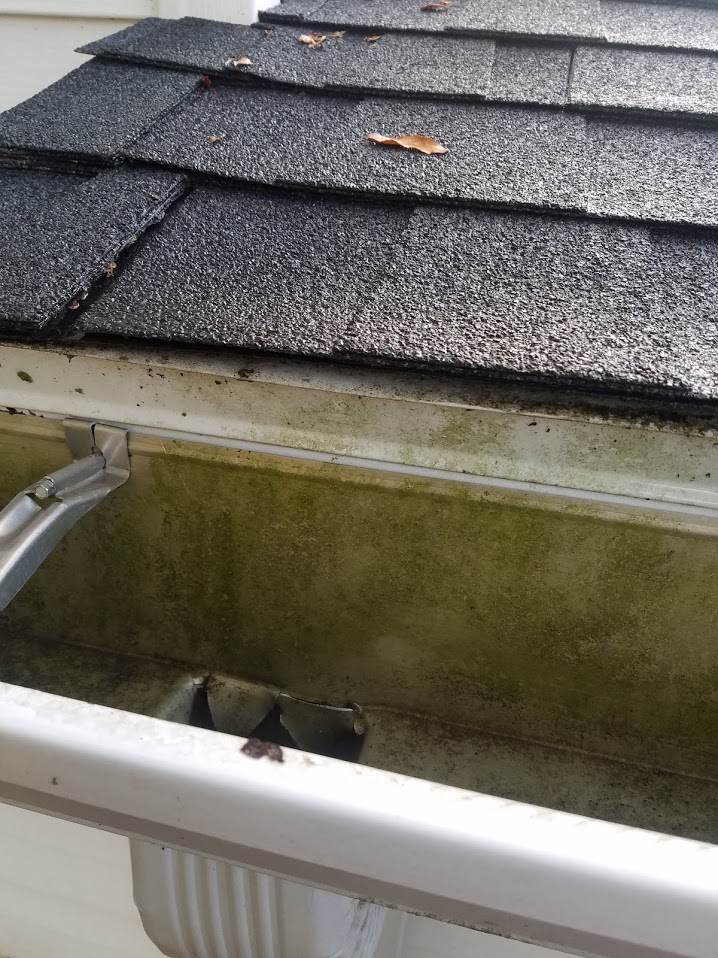
When water gets under shingles, it can cause a range of problems that could affect the overall integrity of your roof and the structural stability of your home. This is why it is crucial to address any issues related to water under shingles promptly and effectively. In this article, we will explore the problems caused by water under shingles, methods to prevent water infiltration, actions to take when water does get under shingles, and the importance of addressing this issue.
This image is property of i.stack.imgur.com.
Problems Caused by Water Under Shingles
Water under shingles can lead to several serious problems that can compromise the functionality and longevity of your roof. Here are some of the common issues caused by water infiltration:
- Roof Leaks
One of the most immediate consequences of water under shingles is the risk of roof leaks. Water can seep through cracks, gaps, or damaged shingles, infiltrating the underlying layers of your roofing system. This can result in water stains on your ceilings, walls, or floors, and if left unaddressed, it can lead to significant water damage and structural issues.
Signs of a Roof Leak
Signs of a roof leak include water stains or discoloration on your ceiling, walls, or floors, musty odors, dripping sounds, or the presence of mold or mildew. If you notice any of these signs, it is essential to investigate the source of the leak promptly.
Causes of Roof Leaks
Roof leaks can be caused by various factors, including damaged or missing shingles, deteriorated flashing, clogged gutters, or ice dams. It is crucial to identify and address the underlying cause of the leak to prevent further damage.
- Structural Damage
Water under shingles can also lead to significant structural damage over time. The continuous presence of water can weaken the roof decking, causing it to rot or deteriorate. This can lead to sagging or buckling of the roof, compromising its structural integrity.
Weakening of Roof Decking
The roof decking, which serves as the foundation of your entire roof, can be severely weakened by water infiltration. This can result in a compromised structure that may put your home at risk.
Sagging or Buckling Roof
When water seeps into the roof decking and remains trapped, it can cause the roof to sag or buckle. This not only affects the appearance of your home but can also lead to further water infiltration and potential collapse if left untreated.
Damage to Attic
Water under shingles can make its way into your attic, causing damage to insulation, wooden beams, and other structural components. This can lead to mold and mildew growth and further compromise the overall integrity of your home.
Mold and Mildew Growth
The presence of moisture from water under shingles creates an ideal environment for mold and mildew to thrive. Mold and mildew not only cause unpleasant odors and stains, but they can also trigger respiratory issues and allergies. It is essential to address water infiltration promptly to prevent mold and mildew growth.
- Decreased Energy Efficiency
Water under shingles can negatively impact the energy efficiency of your home. Here are some ways in which water infiltration can result in decreased energy efficiency:
Increase in Heating and Cooling Costs
Water infiltration can compromise the insulation in your attic, leading to an increase in heating and cooling costs. Insufficient insulation allows for heat transfer, causing your HVAC system to work harder to maintain a comfortable temperature inside your home.
Reduced Insulation Performance
When the insulation in your attic gets wet due to water under shingles, its insulating properties are significantly reduced. This can result in heat loss during the winter and heat gain during the summer, making it harder to maintain a desirable indoor temperature.
Overworking HVAC Systems
As water under shingles affects the insulation performance and increases the heating and cooling costs, your HVAC system will be forced to work harder and longer to compensate for the energy loss. This can lead to increased wear and tear on the system, potentially shortening its lifespan and requiring costly repairs or replacements.
Methods to Prevent Water Under Shingles
Preventing water under shingles is essential to maintain the integrity of your roof and protect your home from potential damage. Here are some effective methods to prevent water infiltration:
- Proper Roof Installation
Ensuring that your roof is installed correctly is the first line of defense against water under shingles. Here are some key considerations during the installation process:
Use of Underlayment
Using an appropriate underlayment, such as asphalt-saturated felt or synthetic membranes, provides an extra layer of protection against water infiltration. Underlayment acts as a barrier and helps prevent water from reaching the roof decking.
Correct Nailing Techniques
Proper nailing techniques are crucial to secure shingles effectively and prevent water from seeping through gaps or loose shingles. Following manufacturer guidelines for nailing patterns and using the appropriate number of nails per shingle is essential for a secure installation.
Installation of Flashing
Flashing, which consists of thin strips of metal or other waterproof materials, should be installed around areas prone to water penetration, such as chimneys, skylights, vent pipes, and roof valleys. Properly installed flashing helps redirect water away from vulnerable areas and prevents water from getting under shingles.
- Regular Roof Inspections and Maintenance
Regular roof inspections and maintenance are critical in identifying and addressing potential issues before they escalate. Here are some essential steps for maintaining a watertight roof:
Clearing Debris
Regularly removing leaves, twigs, and other debris from your roof and gutters prevents clogging that can lead to water infiltration. A clean roof surface allows water to flow off smoothly without pooling or seeping under shingles.
Replacing Missing or Damaged Shingles
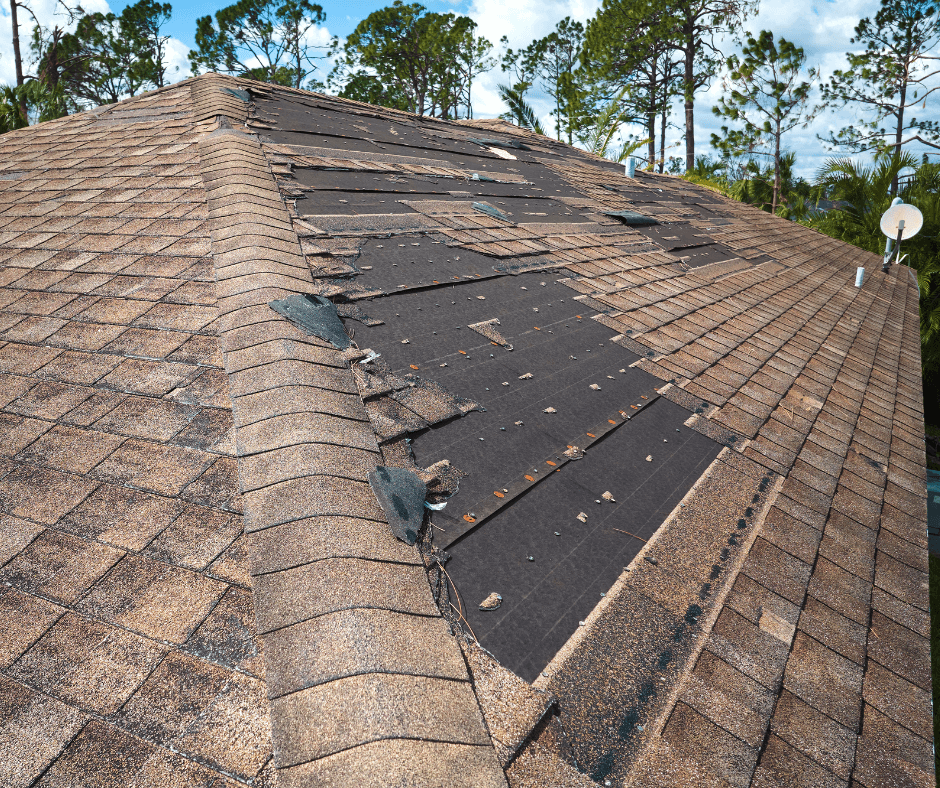
If you notice any missing or damaged shingles during your inspections, it is important to replace them promptly. Damaged or missing shingles create vulnerable spots where water can easily infiltrate, increasing the risk of leaks and structural damage.
Addressing Flashing Issues
Inspecting and maintaining the condition of your flashing is crucial. Look for signs of corrosion, gaps, or lifted flashing. If any issues are detected, repair or replace the flashing as necessary to ensure proper water drainage.
- Improved Attic Ventilation
Proper attic ventilation plays a significant role in preventing water under shingles. Here are some key steps to improve attic ventilation:
Installation of Ventilation Fans
Installing ridge vents, soffit vents, or attic fans helps promote airflow and prevents the buildup of moisture in the attic. Proper ventilation removes excess heat and moisture, reducing the risk of condensation and water infiltration.
Proper Insulation
Ensure that your attic is properly insulated to minimize heat transfer and maintain a consistent indoor temperature. Adequate insulation prevents the formation of ice dams, which can lead to water infiltration and damage to shingles.
Adequate Airflow
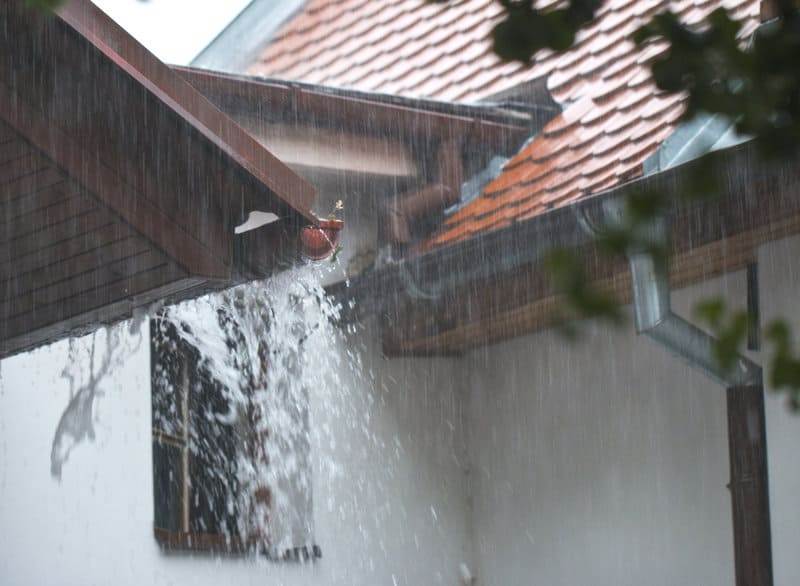
Ensure that your attic has sufficient airflow by keeping vents clear of obstructions and correctly positioning insulation to avoid blocking airflow. Proper airflow reduces the buildup of moisture and prevents the risk of water under shingles.
This image is property of www.centralbayroofing.com.
Actions to Take When Water Gets Under Shingles
Despite preventive measures, there may be instances when water does get under shingles. Here are some actions to take if you discover water under shingles:
- Identifying the Source of the Leak
Determining the source of the water infiltration is crucial to effectively address the issue. Here are some steps to identify the leak source:
Inside Inspection
Carefully inspect the interior of your home for any signs of water damage, such as water stains on the ceiling or walls. Trace the path of the water to help identify the general location of the leak.
Exterior Inspection
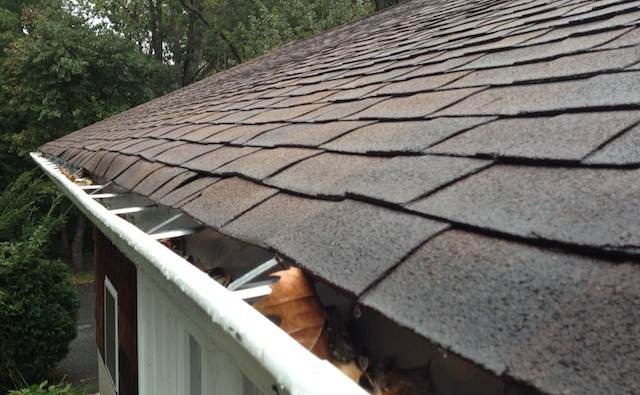
Inspect the exterior of your roof for any visible damage or areas where water may be entering. Check for missing or damaged shingles, deteriorated flashing, or clogged gutters. Identifying the specific source of the leak will help you determine the most appropriate course of action.
- Temporary Fixes
While it is important to address water under shingles promptly, you may need to implement temporary fixes to minimize further damage. Here are a couple of temporary solutions:
Applying Roof Sealants or Adhesives
If you locate a small area where water is entering, applying a roof sealant or adhesive can provide a temporary solution to stop the leak. These products can be applied to seal cracks or gaps until a more permanent repair can be completed.
Using Tarp or Plastic Sheets
If the leak is more significant or cannot be immediately repaired, using a tarp or plastic sheets can provide temporary protection against further water infiltration. Secure the tarp or plastic sheets over the affected area to prevent additional damage until professional help can be called.
- Hiring Professional Help
Although temporary fixes can help mitigate immediate damage, it is crucial to seek professional help to address the underlying issue and prevent further problems. Here are two professionals you may need to consult:
Calling a Roofing Contractor
A professional roofing contractor will have the expertise and tools necessary to identify and repair the source of the leak efficiently. They can assess the damage, provide appropriate solutions, and ensure a long-lasting repair that protects your home.
Consulting a Water Damage Restoration Specialist
If water infiltration has caused significant damage to your home’s interior, consulting a water damage restoration specialist is advisable. These specialists can assess the extent of the damage, address any mold or mildew growth, and restore your home to a safe and habitable condition.
This image is property of i.stack.imgur.com.
Importance of Addressing Water Under Shingles
Addressing water under shingles promptly is of utmost importance for several reasons:
-
Prevention of Further Damage: If left unaddressed, water under shingles can lead to severe structural damage and costly repairs. By addressing the issue promptly, you can prevent further damage to your roof and the interior of your home.
-
Preservation of Home Value: A well-maintained roof is essential for the overall value and curb appeal of your home. By addressing water infiltration, you can maintain the integrity of your roof and preserve the value of your property.
-
Health and Safety Considerations: Water infiltration can lead to the growth of mold and mildew, which can pose health risks and exacerbate respiratory issues. Promptly addressing water under shingles ensures a safe and healthy environment for you and your family.
-
Improved Energy Efficiency: By preventing water infiltration, you can maintain proper insulation and improve the energy efficiency of your home. This can lead to reduced heating and cooling costs over time.
This image is property of jenkinsrestorations.com.
Conclusion
Water under shingles can have significant consequences, ranging from roof leaks and structural damage to decreased energy efficiency. It is essential to take preventive measures, such as proper roof installation, regular inspections and maintenance, and improved attic ventilation, to minimize the risk of water infiltration. If water does get under shingles, identifying the source of the leak, implementing temporary fixes, and seeking professional help are crucial steps to prevent further damage and ensure the integrity of your home. By addressing water under shingles promptly, you can protect your investment, maintain a safe and healthy living environment, and enjoy the full benefits of a properly functioning roof.
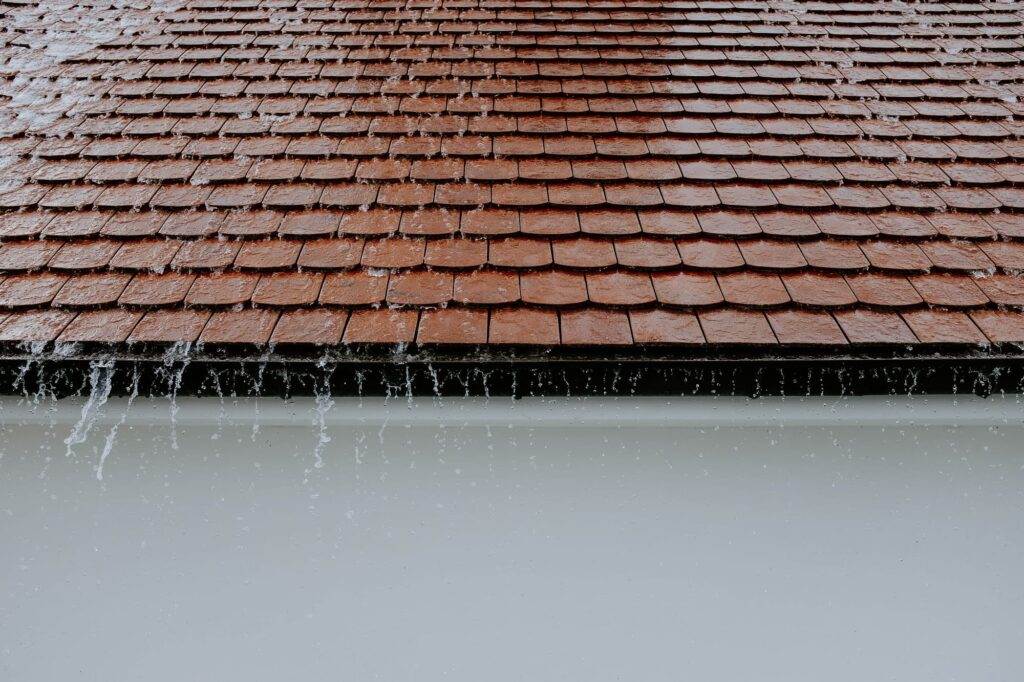
This image is property of mlr9tmpykt1z.i.optimole.com.
source https://roofingrepairspecialists.com/what-happens-when-water-gets-under-shingles/

No comments:
Post a Comment