Roof leakage can be a homeowner’s worst nightmare, causing significant damage and leading to costly repairs. In the battle against leaks, many turn to roof sealants, hoping to find an effective solution. However, it is essential to question the effectiveness of these products and evaluate whether they truly deliver on their promises. This article seeks to explore the efficacy of roof sealants in stopping leaks, providing you with the necessary information to make an informed decision for your roofing needs.
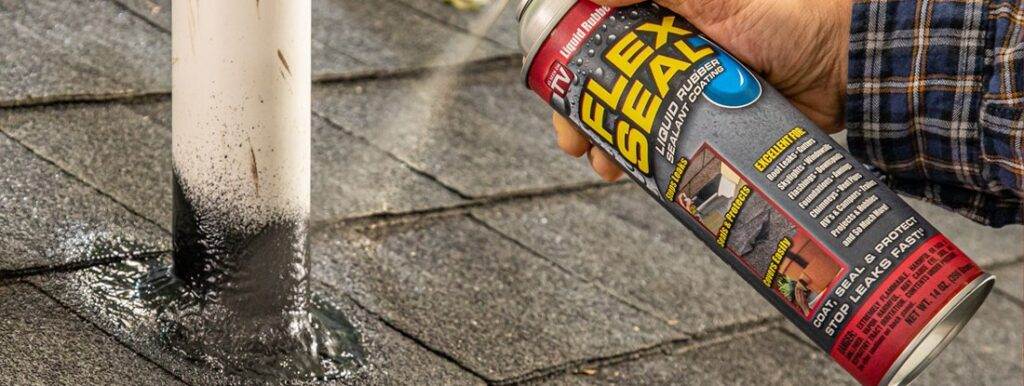
This image is property of flexsealproducts.com.
What is Roof Sealant?
Definition of roof sealant
Roof sealant is a protective coating applied to the surface of a roof to prevent leaks and enhance its durability. It is typically made from various materials such as silicone, acrylic, polyurethane, elastomeric, or bituminous compounds. Roof sealant forms a watertight seal that prevents water from penetrating the roof and causing damage to the underlying structure.
Types of roof sealant
There are several types of roof sealant available in the market, each offering its own unique properties and benefits. Some common types of roof sealant include silicone roof sealant, acrylic roof sealant, polyurethane roof sealant, elastomeric roof sealant, and bituminous roof sealant. The choice of roof sealant depends on factors such as the type of roof, weather conditions, and specific requirements of the project.
The Purpose of Roof Sealant
Preventing leaks
One of the primary purposes of roof sealant is to prevent leaks. Roof leaks can occur due to various reasons such as damaged or missing shingles, aging roofs, or improper installation. Roof sealant creates a protective layer that seals off any potential entry points for water, preventing leaks and water damage to the interior of the building.
Improving energy efficiency
Roof sealant also helps improve the energy efficiency of a building. By creating a reflective surface, roof sealant can reduce the amount of heat absorbed by the roof, thereby reducing the need for excessive air conditioning. This can result in significant energy savings and lower utility bills.
Extending the lifespan of the roof
Another important purpose of roof sealant is to extend the lifespan of the roof. Regular exposure to harsh weather conditions, UV rays, and other environmental factors can cause wear and tear on the roof. Roof sealant acts as a protective barrier, preventing damage and extending the overall lifespan of the roof.
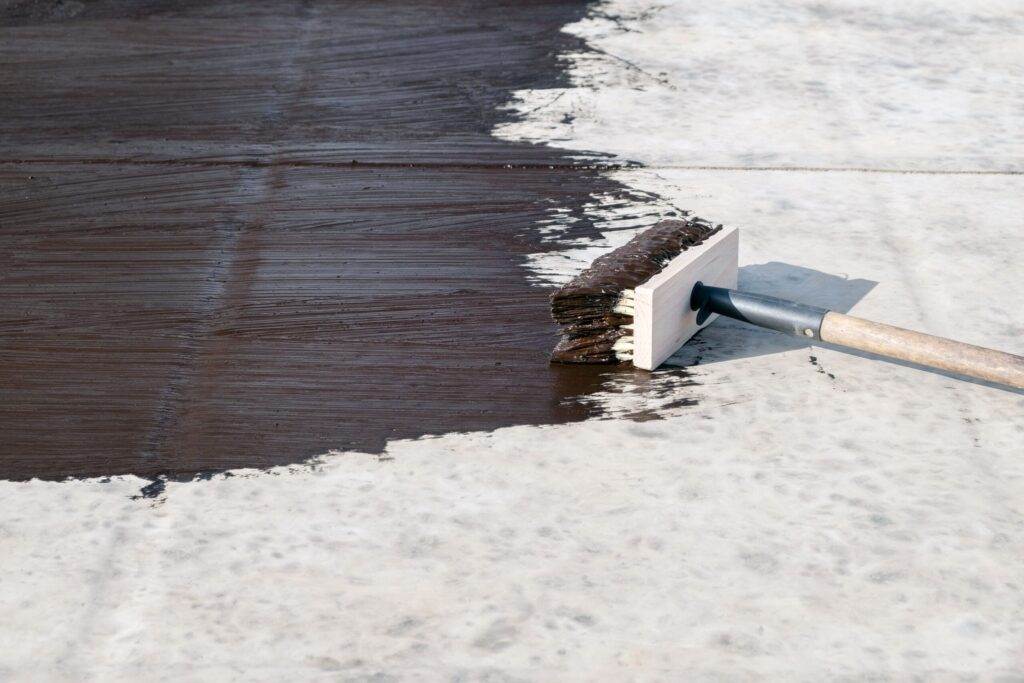
This image is property of s42814.pcdn.co.
Factors to Consider Before Using Roof Sealant
The condition of the roof
Before applying roof sealant, it is crucial to assess the condition of the roof. If the roof is severely damaged or has structural issues, it may be necessary to address those problems before applying sealant. Roof sealant is not a substitute for proper roof repair or replacement.
Type of roof
The type of roof also plays a crucial role in determining the type of sealant that should be used. Different types of roofs require different types of sealants to ensure compatibility and effectiveness. For example, a flat roof may require a different sealant than a sloped roof.
Weather conditions
Weather conditions can also impact the effectiveness of roof sealant. Extreme temperatures, heavy rain, or excessive humidity can affect the curing process of the sealant. It is important to choose a sealant that is designed to withstand the specific weather conditions of the region.
Application method
The method of application is an important consideration when using roof sealant. Different sealants may require specific application techniques or tools. It is important to carefully read and follow the manufacturer’s instructions for proper application. Improper application can compromise the effectiveness of the sealant and lead to potential issues.
Benefits of Using Roof Sealant
Cost-effective solution
Roof sealant is a cost-effective solution compared to more extensive roof repairs or replacement. It can help prevent leaks and extend the lifespan of the roof, saving homeowners and building owners from costly repairs or replacements.
Easy application process
Applying roof sealant is relatively easy and can be done by homeowners or professionals. It does not require specialized equipment or extensive technical knowledge. This makes it a convenient option for those looking to maintain and protect their roofs.
Increased protection against leaks
Roof sealant provides an additional layer of protection against leaks. It seals the gaps and cracks in the roof, preventing water from entering and causing damage. This increased level of protection can give homeowners peace of mind, especially during heavy rain or snow.
Energy savings
By reducing heat absorption, roof sealant can contribute to energy savings. A reflective roof surface helps to keep the building cooler, reducing the reliance on air conditioning systems. This can result in lower energy consumption and reduced utility bills.
Enhanced roof durability
Roof sealant enhances the overall durability of the roof. It protects against UV rays, extreme temperatures, and other environmental factors that can cause damage over time. With proper application and maintenance, roof sealant can extend the lifespan of the roof, reducing the need for premature repairs or replacements.
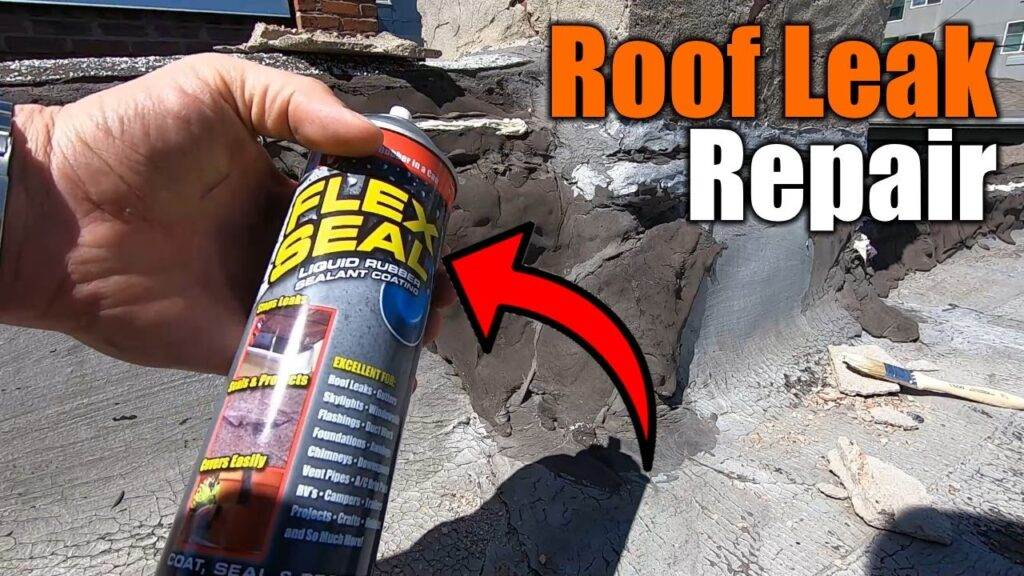
This image is property of i.ytimg.com.
The Effectiveness of Roof Sealant in Stopping Leaks
Causes of roof leaks
Roof leaks can occur due to various reasons. Some common causes include damaged or missing shingles, deteriorated flashing, poor installation, or aging roofs. These factors can create gaps, cracks, or weak points in the roof, allowing water to seep through and cause damage to the underlying structure.
How roof sealant works
Roof sealant works by creating a waterproof barrier on the surface of the roof. It fills in the gaps and cracks, sealing off any potential entry points for water. When properly applied, roof sealant forms a durable, flexible, and watertight seal that prevents leaks and protects the roof from water damage.
Effectiveness of different types of roof sealant
The effectiveness of roof sealant can vary depending on the type of sealant used. Some types, such as silicone and polyurethane, offer excellent waterproofing properties and adhesion to various roof surfaces. Others, like acrylic, may be more suitable for minor repairs or maintenance. It is important to choose a sealant that is appropriate for the specific needs and requirements of the roof.
Common reasons for sealant failure
While roof sealant is generally effective in preventing leaks, there are certain factors that can contribute to its failure. Improper application, inadequate surface preparation, or using the wrong type of sealant can compromise its effectiveness. Harsh weather conditions, such as intense heat or heavy rain, can also impact the durability of the sealant over time.
Types of Roof Sealant
Silicone roof sealant
Silicone roof sealant is known for its excellent waterproofing capabilities and weather resistance. It adheres well to various roof surfaces and remains flexible even in extreme temperatures. Silicone sealant is also resistant to UV rays, making it a popular choice for areas with high sun exposure.
Acrylic roof sealant
Acrylic roof sealant is a versatile and cost-effective option. It is easy to apply and dries quickly, making it suitable for minor repairs or maintenance. Acrylic sealant provides good adhesion to various materials such as metal, asphalt, or concrete. However, it may not offer the same level of durability as other types of sealant.
Polyurethane roof sealant
Polyurethane roof sealant is known for its excellent adhesion and durability. It is resistant to extreme weather conditions, UV rays, and chemicals. Polyurethane sealant can be used on various roof surfaces and provides long-lasting protection against leaks.
Elastomeric roof sealant
Elastomeric roof sealant is designed to expand and contract with the roof’s movement. It offers excellent flexibility and durability, making it suitable for roofs that experience temperature changes or structural movement. Elastomeric sealant provides a strong, watertight bond and can withstand various weather conditions.
Bituminous roof sealant
Bituminous roof sealant, also known as asphalt roof sealant, is a popular choice for flat or low-slope roofs. It provides excellent waterproofing properties and adhesion to asphalt-based materials. Bituminous sealant is resistant to UV rays and can withstand extreme weather conditions.
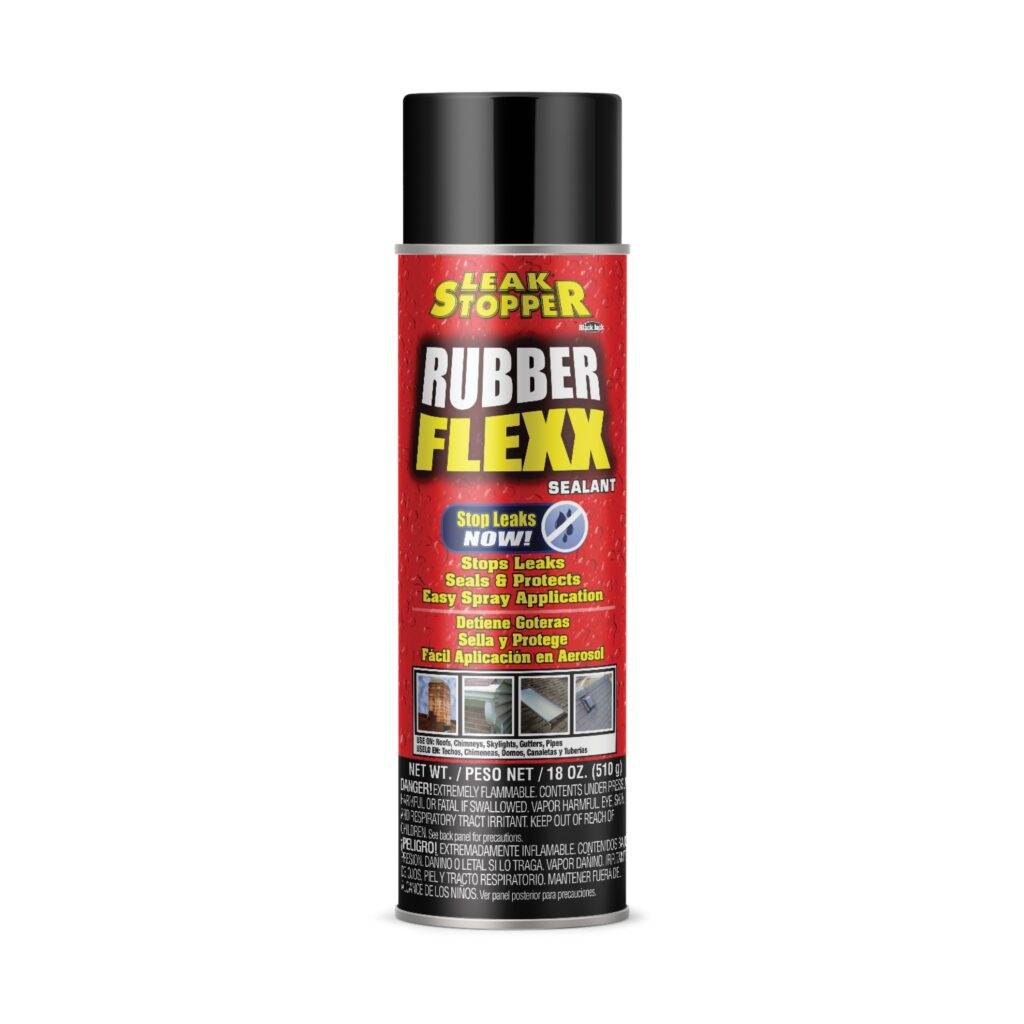
This image is property of mobileimages.lowes.com.
How to Apply Roof Sealant
Preparing the roof surface
Before applying roof sealant, the roof surface should be thoroughly cleaned and free from debris, dirt, or loose materials. Any existing sealant or coating should be removed, and any damaged areas should be repaired. Proper surface preparation ensures that the sealant adheres well and provides optimal protection.
Choosing the right type of sealant
Selecting the right type of sealant is crucial for effective application. Consider the specific requirements of the roof, such as the material, slope, and weather conditions. Consult with professionals or refer to manufacturer guidelines to determine the most suitable sealant for the project.
Using proper application techniques
Follow the manufacturer’s instructions for proper application techniques. Use the appropriate tools, such as a brush, roller, or sprayer, depending on the type of sealant and the size of the project. Apply the sealant evenly and ensure complete coverage over the desired area.
Ensuring even coverage
To achieve optimal protection, it is important to ensure even coverage of the sealant. Pay attention to the edges, seams, and any gaps or cracks in the roof. Apply multiple thin coats if necessary, allowing each coat to dry before applying the next.
Applying multiple coats if required
In some cases, multiple coats of sealant may be required to achieve the desired level of protection. This is especially true for older roofs or areas prone to leaks. Applying multiple coats not only enhances the effectiveness of the sealant but also improves its durability.
Maintenance and Care
Regular inspection
Regular inspection of the roof is essential to detect any potential issues or areas that may require re-sealing. Inspect the roof at least twice a year, preferably in spring and fall, and after severe weather events. Look for signs of damage, wear, or any areas that may need attention.
Cleaning and removing debris
Regular cleaning and removal of debris from the roof surface can help maintain the effectiveness of the sealant. Leaves, branches, or other debris can accumulate and block drainage, leading to water ponding or leaks. Clean the roof surface periodically to prevent any potential problems.
Re-sealing as necessary
Over time, the effectiveness of roof sealant may diminish due to weather exposure or aging. It is important to monitor the condition of the sealant and re-seal as necessary. Observe any signs of cracks, leaks, or water stains on the interior of the building. Prompt re-sealing can prevent further damage and protect the roof.
Repairing damaged areas
If any areas of the roof show signs of damage, it is important to address them promptly. Repairing damaged areas, such as cracks or missing shingles, can prevent water from entering and causing further damage. Consult with professionals for complex repairs or if unsure about the proper repair techniques.
Consulting professionals for complex issues
For complex roof issues or if a thorough inspection reveals significant damage, it is advisable to consult with roofing professionals. They can provide expert advice, recommend appropriate solutions, and ensure that the roof is properly maintained and protected.
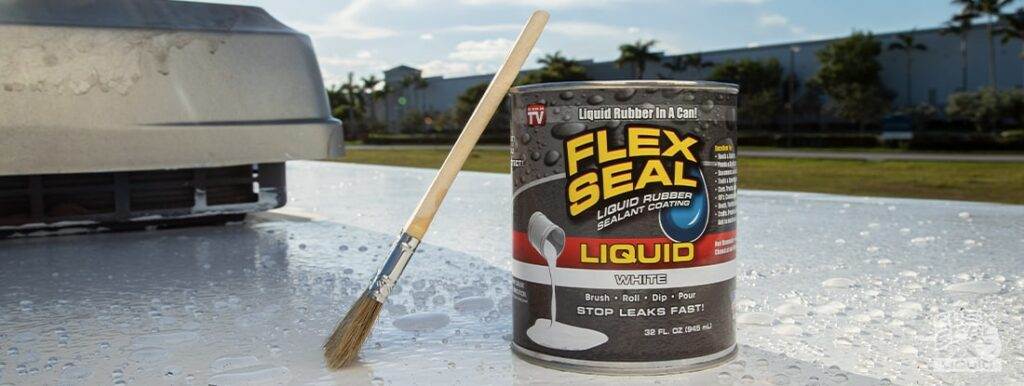
This image is property of cdn.shopify.com.
Alternatives to Roof Sealant
Roof repair or replacement
In some cases, roof repair or replacement may be necessary instead of using roof sealant. If the roof is severely damaged, has structural issues, or is nearing the end of its lifespan, it may be more cost-effective and practical to repair or replace the roof entirely.
Use of roof coatings
Roof coatings are another alternative to roof sealant. They provide an additional layer of protection and can help prolong the lifespan of the roof. Roof coatings are typically applied directly to the roof surface and offer benefits such as UV protection and enhanced energy efficiency.
Waterproofing membranes
Waterproofing membranes are commonly used in areas with high water exposure or flat roofs. These membranes are designed to provide superior waterproofing and can be applied as a liquid, sheet, or sprayed-on coating. Waterproofing membranes offer long-lasting protection against leaks but may require professional installation.
Installation of gutter systems
Properly functioning gutter systems can help prevent water from accumulating on the roof and causing leaks. Installing or repairing gutter systems can redirect rainwater away from the roof, reducing the likelihood of water damage. Regular maintenance of gutters is also important to ensure their effectiveness.
Improving attic ventilation
Poor attic ventilation can contribute to the development of moisture-related issues, including roof leaks. Improving attic ventilation by installing vents or fans can help control humidity levels and prevent the buildup of condensation. Proper attic ventilation can also extend the lifespan of the roof.
Conclusion
Roof sealant is an effective solution for preventing leaks, improving energy efficiency, and extending the lifespan of the roof. By creating a watertight seal, roof sealant protects against water damage, enhances durability, and provides energy savings. Factors such as the condition of the roof, type of sealant, weather conditions, and application method should be considered before using roof sealant. Regular maintenance, proper surface preparation, and correct application techniques are crucial for ensuring the effectiveness of roof sealant. While roof sealant is a viable option for leak prevention, alternative solutions such as roof repair or replacement, roof coatings, waterproofing membranes, gutter systems, and improved attic ventilation should also be considered based on the specific needs of the roof. Consultation with professionals can provide expert guidance and ensure the proper care and maintenance of the roof.
source https://roofingrepairspecialists.com/how-effective-is-a-roof-sealant-in-stopping-leaks/

No comments:
Post a Comment