The Impact of Sun Damage on Your Roof and How to Repair It
Do you have any sun damage to your roof? Unattended repairs could cost you a lot, especially when combined with other weather-related factors like rain, wind, and hail. In this post, we will explore ways to identify and address sun damage and roof damage, ultimately helping to extend the lifespan of your roof.
This article will give you the details you need to comprehend the sun’s effects and how to restore your roof. First, discover the indications of sun harm, from UV rays to discoloration and damaged shingles. Then, learn how to repair it and understand the importance of regular maintenance, such as cleaning gutters and inspecting for damage after storms.
Types of Sun Damage on Roofs
Sun damage can be a costly issue for roofs. People may need to be made aware of the various types of sun damage, so we need to know what to look for. Here are some common types of sun damage: UV Radiation, Thermal Shock, Bleaching, and Cracking.
UV radiation breaks down shingle materials, causing discoloration that weakens them. Thermal shock leads to cracking, peeling sealants, and water infiltration. Bleaching fades roofing material color due to continuous exposure to sunlight—cracking results in breakage or water leakage, which can be exacerbated by wind or hail.
An individual experienced sun damage on their roof. With the help of a trained roofing contractor, they restored their roof. They shared the importance of protecting roofs from all elements, including sun exposure and weather-related roof damage. They also highlighted the effect of thermal shock and UV radiation on different roofing materials and how regular maintenance can prevent further damage.
Causes of Sun Damage
Many factors cause Sun Damage. Exposure to sunlight, heat, and UV radiation can cause harm. This can weaken and distort roofing materials. To stop this, it’s important to know the causes of Sun Damage and find ways to protect your roof.
A table can explain the effects of different types of UV rays on the roofing material.
Type of UV Rays and Their Effects on Roofing Material
- UVA rays Can break down synthetic coatings and adhesives used in roofing systems
- UVB rays Can cause PVC membranes to become brittle and lose flexibility
- UVC radiation Is usually blocked by the atmosphere
Fading colors and peeling paint are well-known effects of Sun Damage. Thermal expansion and contraction can also occur on flat roofs. This is due to extreme temperature changes between day and night. This can lead to small tears or cracks in the roofing membrane, which may result in water infiltration during rain or melting snow.
To protect your home and roof, it’s important to be aware of the Causes of Sun Damage. Resources like tables and stories from individuals can help homeowners take the right steps to protect their properties.
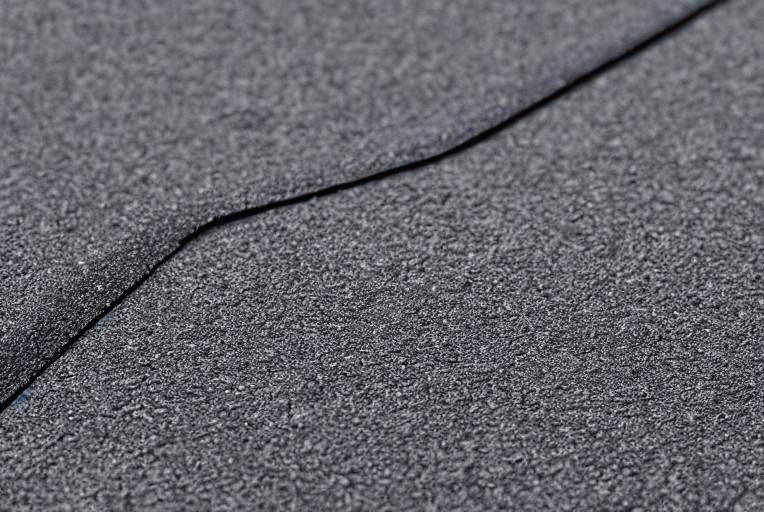
Warning Signs of Sun Damage
The sun can be dangerous for many things, even roofs. So, it’s essential to be aware of the warning signs and consider the impact of weather factors like wind and hail.
These warning signs seem minor but can lead to considerable issues. For example, the UV rays from the sun can break down the material and cause water leaks. Moreover, cracks can cause damage during storms, and warping may occur due to sun exposure.
To avoid further damage, homeowners should inspect the roof at least once a year. If you notice any warning signs, take action as soon as possible. Take your time with costly repairs or a full replacement – get it inspected today! Contact a professional roofing contractor for an estimate and to ensure the job is done correctly.
Sun Damage Prevention
Shield your home from solar rays to prevent sun damage on your roof. Sun Damage Prevention techniques can lengthen your roof’s life and keep its function and insulation intact. Achieving roof sun damage protection is possible through various methods, like coatings, maintenance, and inspections.
Asphalt shingles are often damaged by solar radiation. Sun damage can lead to many issues, such as peeling paint and leaks. Roof life can be cut short to 10-15 years without protection. But, with Sun Damage Prevention, that can be increased by seven years.
Invest in a sun-reflecting coating for quality sun damage prevention. It offers good longevity and thermal protection to the building envelope. However, not all coatings are made equal. Cheaper brands lack abrasion and impact resistance. Opt for premium solutions for long-term gains.
Remember to schedule regular inspections. They’ll identify areas in need of repair or potential damages early on. Regular upkeep will protect you against solar damage and help you avoid costly repairs.
How to Repair Sun-Damaged Roofs
Have you noticed sun damage on your roof? Hire roofing repair services or try DIY? Here is a 6-Step Guide outlining How to Repair Sun-Damaged Roofs:
- Identify the damaged areas. Walk around and inspect the roof. Look for curled or cracked shingles, missing granules, or discoloration.
- Clean the affected area. Use a soft-bristled brush or low-pressure power washer.
- Remove damaged materials. Take any faulty shingles, tiles, or metal beyond repair. Be careful not to harm other parts.
- Replace with new materials. Choose shingles, tiles, or metal that match the current color scheme.
- Seal all gaps and cracks. Apply sealant underneath the repaired areas.
- Inspect for additional damage. Look for any extra damage inside the attic.
Sun-damaged roofs can lead to issues like leaks or collapse. So, repair promptly. Also, get a yearly inspection from a professional roofing company.
Pro Tip: When fixing sun-damaged roofs, asphalt shingles are often brittle. So, focus on gently lifting enough shingle tabs. Then, run your chosen tool underneath SH logs without excessive movement. This will help prevent cracking caused by amateurs’ forced efforts!
Should I Hire a Professional Roofing Repair Service?
Should you hire a Professional Roofing Repair Service or do DIY repairs for your house’s roof? It depends on the issue’s size, experience, and preferences. No matter what you choose, addressing sun damage and weather-related roof damage can help protect your home and extend the lifespan of your roof. Let’s weigh the pros and cons of hiring a professional.
Pros:
- Expertise – Professional roofers understand how to fix problems and use the proper materials.
- Security – They are trained for dangerous work, like climbing ladders and working up high.
Cons:
- Cost – It can be expensive, even for fixing small problems or replacing the entire roof.
- Process – Some homeowners don’t like working with contractors and prefer to do it themselves.
For homeowners trying to save money, hiring a professional can be costly. DIY repairs or temporary solutions might be better in this case. Ensure you have the skills and knowledge to do the repairs safely. In doubt, it’s best to work with a qualified roofer.
source https://roofingrepairspecialists.com/tips-on-sun-damaged-roof-repair/

No comments:
Post a Comment