How to Repair a Tile Roof?
In search of a dependable and budget-friendly fix for your tile roof? Look no more! Read on to find the five must-do steps to repair your tile roof and address roof leaks. Reap the rewards for years to come! Time to get started!
Tile roofs have been around for centuries – made from concrete and clay, they’re strong, durable, and look great. Here’s a table that breaks down the different types of tile roofs, including metal tiles:
- Identify the damaged tile or tiles – You don’t want to repair the wrong tile, leaving the damaged one untended.
- Gather the necessary tools and materials – Safety gear, gloves and goggles, a pry bar, hammer, replacement tiles, roofing cement, and a trowel.
- Remove the damaged tile – Use the pry bar and hammer to lift and remove the tile carefully. Be careful not to damage the adjacent tile.
- Install the replacement tile – Apply a generous amount of roofing cement to the surface where the new tile will be installed. Carefully place the new tile in the correct position and press down gently.
- Finishing touches – Use a trowel to smooth out any excess roofing cement and make the necessary adjustments to ensure the tile is in place.
What is a Tile Roof?
But what makes them special is how they’re installed. Skilled roofers ensure each tile is in the right spot, using elements like nails and screwdrivers – so the roof is water-resistant and well-ventilated. This helps keep energy costs low, too.
The benefits of a tiled roof are clear – better insulation and ventilation. Not having one could mean missing out on these features. So don’t regret it later – get your roof tiled now, and ask for an estimate or quote from reputable services!
Roofing tiles have been used in construction for ages. Their importance cannot be underestimated. They have numerous benefits that make them a top choice for homeowners.
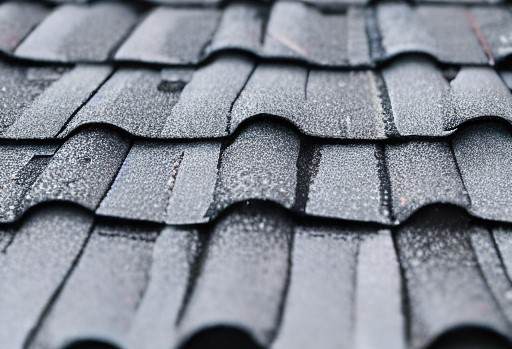
Advantages of Roofing Tiles
Plus, roofing tiles have a long history. The Greeks used baked clay tiles as early as 700 BC. The Romans later improved the technology, using curved interlocking tapered tiles.
- Durability – they are made from strong materials that withstand wind, rain, and hail. Installed correctly, they can last for decades.
- Aesthetic value – comes in various colors, shapes, and designs to enhance the appearance of any home.
- Low maintenance – do not rust, corrode or rot like other materials, and don’t need painting.
- Environmentally friendly – depending on the material used, they help with insulation and reduce heat transfer.
- Long lifespan – fewer replacements over time, leading to cost savings.
All in all, roofing tiles provide many benefits for homeowners. These advantages ensure your home is beautiful and protected against bad weather while being environmentally friendly.
A tile roof is a great way to make your home look great and strong. But, over time, your once-gorgeous tile roof may show signs of aging, wear and tear, cracks, or missing tiles. If you’re curious about the signs that show you need to replace your tile roof – read on!
How do I know if I need to replace my tile roof?
It’s important to check the state of your tile roof regularly. Look for any cracked, broken, or missing roof tiles. See if leaks cause water damage or if the underlayment has worn out. All of these are signs that your roof needs fixing or replacement.
To determine if you need to replace your tile roof, take the following steps:
Hiring an experienced roofer to fix minor problems like replacing cracked tiles before more expensive issues arise is smart. Remember, they quickly become big if you don’t address small roofing issues. That’s why most people opt for timely repairs rather than waiting until the damage is done.
- Inspect the ceiling or attic for holes where light can come through.
- Check the attic for wet insulation, which can cause mold growth and other expensive structural problems.
- Climb onto the roof and check the tiles’ condition – look for cracked or lifted tiles that can let water seep into the underlying structures of your home.
- From ground level, see if there are any visible damages, such as missing tiles caused by weather or fallen tree branches.
- After heavy storms or hot spells, do a visual inspection, as these intense weather conditions can damage roofs.
If you still need to decide whether to replace your roof, it’s best to call a professional roofing company to evaluate it. They can then recommend repairs or replacements if it’s necessary. Let the experts handle the hard work while you focus on other aspects of your home.
Fixing a tile roof can be intimidating. But, with the right knowledge and tools, it’s doable! In addition, you can find helpful articles to guide you through the process.
What is the best way to repair a tile roof?
To start, identify all problem areas. Then, follow these steps:
Different materials require different techniques. Clay tiles, for example, crack easily.
- Step 1: Inspect the Roof. Check for any damage or wear and tear. Look out for cracks, broken tiles, missing tiles, water stains, or other signs of damage.
- Step 2: Remove Damaged Tiles. Carefully pry up and lift each tile out of place.
- Step 3: Replace Tiles and Seal Gaps. Cut a new one to fit and nail it back in. Fill in gaps with caulking or roofing cement. Seal edges with sealant or roofing cement.
Tile roofs have been around for centuries. They are strong and durable. However, they face weariness over time. Asphalt shingles have become popular due to their cost-effectiveness compared to tile roofs.
When repairing a tile roof, inspecting it is vital. It helps spot any damages or leaks that need to be dealt with immediately. Inspecting your roof regularly – especially after big weather events – is smart to keep it strong and long-lasting.
Inspecting the Roof
To inspect the roof, follow these four steps:
It’s smart to inspect your roof annually to avoid future issues. But, if you find any big cracks or damaged areas, get help from a professional before attempting repairs yourself.
- Step 1: Start by looking at the tiles. Look for cracks, chips, and missing pieces. Check for patches that could mean moisture has seeped in.
- Step 2: Inspect the layer beneath the tiles. Look for signs of damage caused by moisture, like discolorations or mold. Make sure there are no tears, punctures, or holes.
- Step 3: Check the flashing around chimneys, vents, and skylights. Please make sure they are secure and sealed.
- Step 4: Look for signs of wear and tear on gutters and downspouts connected to the roofing. Ensure they are aligned correctly so water can flow away.
Plus, not all roof damages are visible during a regular inspection. Over time, things like moss can grow on the roof, making it hard to find out what is wrong without removing it.
My neighbor phoned me when they heard strange noises from their tile roof. After heavy rain, they leaked inside the house. As a former construction contractor specializing in equipment repair, I offered to help. When I got to their attic, I saw stained beams below the roofing system, which showed dried-up moisture. Upon careful inspection, I saw huge cracks and missing tile pieces due to hail damage.
Tile roof repair requires one to remove all damaged tiles. These can be due to weather conditions like storms, winds, hail, or incorrect installation. Locate the hole or damaged area and carefully remove the nails with a screwdriver to ensure no further damage occurs.
Removing Damaged Tiles
Tile roof repair requires one to remove all damaged tiles. These can be due to weather conditions like storms, winds, hail, or incorrect installation. Do this safely so as not to cause more damage. Here’s how:
- Safety first: Wear proper protection, such as gloves and slip-resistant shoes.
- Inspect: Check each tile’s condition. Clear off any dirt or debris in the area.
- Adjacent tiles: Use a tile removal tool specifically designed for it to remove the tiles around the damaged ones without damaging them.
- Damaged tile: Use the same tool to lift the broken or cracked tile.
Be patient and aware of your surroundings when removing these tiles. Safety protocols must be followed, and position awareness is key. A professional roofing contractor can do this effectively and quickly while ensuring safety.
Benefits of Replacing Damaged Tiles
Replacing broken tiles on a tile roof offers many benefits. It prevents water infiltration and leakage. This protects the layers underneath from damage and safety hazards. It also enhances energy efficiency, as your HVAC unit doesn’t need to work too hard. This will save you money! Curb appeal is improved too. New tiles make your home look more attractive. Plus, there’s extra protection from pests.
Historically, people have used clay tiles since ancient times. This is because they are durable and easy to maintain. During the Ming Dynasty in China, clay-made tiles were used for their lightweight yet strong qualities. In addition, they protect against harsh weather and provide insulation.
Replacing damaged tiles on a tile roof has been acknowledged for centuries. It provides multiple advantages. These are:
- Preventing water infiltration
- Enhancing energy efficiency
- Boosting curb appeal
- An added layer of protection against pests
Cleaning the Roof
Cleaning your roof is key to its longevity and appearance. Here’s an easy guide to help you clean it up! Start by removing debris with a wire brush or broom. This avoids any potential damage to tiles and slippery surfaces. Next, rinse the roof using a garden hose to remove dirt, dust, or leaves. Next, apply a cleaning solution by mixing hot water and mild detergent in a bucket. Lastly, give your roof one last rinse with cold water.
Practicing safety measures is essential when cleaning your roof. For example, have someone nearby to help stabilize ladders for extra stability. Regarding detergents, we recommend a gentle option like dish soap to avoid chemical reactions that could damage your property.
In conclusion, cleaning your roof isn’t hard. Follow the steps above and take precautions for a beautiful and durable roof.
Price of Tile Roofing Repairs
When caring for your home, a damaged tile roof can be costly. Costs can vary depending on materials and labor, so you should be informed about tile roof repair costs. Here’s what you should know:
- Get quotes from different contractors. Get at least three estimates to compare prices. The cheapest isn’t always the best, and the highest isn’t always the best. Check all offers and ask questions about each line item.
- Consider materials. Tile roofing comes in various forms, such as concrete, clay, and ceramic. Pick the material that fits your budget and preferences.
- Don’t forget labor costs. Labor costs make up more than half of the total repair cost. Hourly fees for contractors depend on their experience level and project scope. Ask about their experience with different types of tile roofs.
Regarding pricing, location can influence costs due to local laws or climate conditions. For example, with a warranty or guarantee, clay tiles could cost $5-$10 per square foot. Repairing them could cost $600-$1000 if it needs to be completely redone.
Finally, double-check insurance coverage before starting any work! Ask for references from previous customers and see the quality of work, how much they pay, and when before paying for any job.
Professional Tile Roof Repairs
When it comes to roof repairs, tile roofing needs special attention. Professional tile roof repairs involve using particular tools and materials to fix any damage to the tiles. This process can be hard and take time, but ensuring your home is safe is worth it. Here’s a four-step guide to understanding what professional tile repairs involve:
- Inspection – Check the roof for damage like broken or missing tiles or flashing.
- Preparation – Get the tools and materials needed, like hammers, chisels, etc.
- Tile Repair – Replace or fix broken tiles using adhesive.
- Final check – Make sure there are no leaks after resealing.
Costs and options available depending on the roof system should be looked into. A certified contractor can provide you with this information. Tile roofs have been used since ancient times. Evidence suggests clay roofing was used in Greece more than 4000 years ago! Archeologists found houses of mud bricks with flat roofs in al-Ma’arri before 2000 BC. This shows tile roofs are strong and durable.
In conclusion, pay attention to the tiles when repairing your home after a natural disaster like a hurricane or hailstorm. Repairing tile roofs can save costs if you understand the finer details.
source https://roofingrepairspecialists.com/tile-roofing-repair-tips/

No comments:
Post a Comment