In the world of home maintenance, the lifespan of a shingle roof is a concern for many homeowners. As time takes its toll on the structure, you may wonder if there are any measures you can take to prolong the longevity of your aging roof. This article explores the possibility of extending the lifespan of an old shingle roof, specifically focusing on the potential benefits of sealing the roof. By delving into the reasons behind the deterioration of shingle roofs and examining the effectiveness of sealing as a solution, you will gain valuable insights into maintaining and preserving the integrity of your roof for years to come.

This image is property of pixabay.com.
Factors Affecting the Lifespan of an Old Shingle Roof
Material Quality
The quality of the materials used in constructing a shingle roof is a crucial factor in determining its lifespan. Higher-quality materials are typically more durable and better able to withstand the various weather conditions and external factors that can affect the roof’s longevity. Cheap or lower-quality shingles are prone to damage and may deteriorate faster, resulting in a shorter lifespan for the roof as a whole.
Weather Exposure
The weather conditions to which a shingle roof is exposed can significantly impact its lifespan. Extreme temperatures, strong winds, heavy rains, and hail can all contribute to the deterioration of shingles over time. For example, excessive exposure to UV radiation from the sun can cause the shingles to become brittle and prone to cracking. Furthermore, prolonged exposure to moisture can lead to the growth of algae, moss, or fungi, which can weaken the roof’s integrity.
Ventilation System
Proper ventilation is essential for maintaining the health and longevity of a shingle roof. Without adequate ventilation, heat and moisture can become trapped in the attic, causing the shingles to overheat and deteriorate more quickly. This can lead to premature aging, curling, and buckling of the shingles. A well-designed ventilation system allows for the proper exchange of air, preventing the buildup of excess heat and moisture and helping to prolong the lifespan of the roof.
Roof Slope and Orientation
The slope and orientation of a shingle roof can also impact its longevity. A steeper roof slope allows for better water runoff and reduces the risk of water pooling or ice dam formation, both of which can lead to roof damage. Additionally, the orientation of the roof in relation to the sun and prevailing winds can affect how much exposure the shingles receive, potentially accelerating their aging process. Proper consideration of these factors during the design and installation of a shingle roof can help maximize its lifespan.
Signs of Aging and Damage
Curling and Buckling Shingles
One of the most common signs of an aging or damaged shingle roof is the curling or buckling of the shingles. Over time, shingles can lose their shape and begin to curl at the edges or buckle in the middle. This can occur due to prolonged exposure to heat, moisture, or improper ventilation. Curling and buckling shingles not only compromise the aesthetics of the roof but also leave it vulnerable to leaks and further damage.
Missing or Damaged Shingles
Another visible sign of an aging roof is the presence of missing or damaged shingles. Strong winds, hailstorms, or other external factors can cause individual shingles to become dislodged, cracked, or broken. When shingles are missing or damaged, it exposes the underlying roof structure to potential water infiltration, which can lead to water damage, rot, and mold growth. It is important to address these issues promptly to prevent further deterioration of the roof.
Granule Loss
Shingles typically have a layer of granules on their surface, which provides protection against UV radiation and helps to prolong their lifespan. If you notice a significant amount of granules accumulating in your gutters or downspouts, it is a clear indication that your shingles are losing granules and aging. Granule loss can accelerate the deterioration of shingles, making them more prone to cracking, curling, and other forms of damage.
Cracked or Rotten Shingles
Cracked or rotten shingles are severe signs of aging and damage, requiring immediate attention. Cracks can occur due to the expansion and contraction of shingles under varying temperatures, while rot is often the result of moisture buildup or prolonged exposure to water. These issues compromise the integrity of the shingles and leave the roof susceptible to leaks, water damage, and structural issues. Timely repairs or replacement of cracked or rotten shingles are necessary to prevent further damage to the roof and the underlying structure.
Ways to Extend the Lifespan of an Old Shingle Roof
Regular Roof Inspections
Regular roof inspections are essential for identifying and addressing any issues that may be affecting the lifespan of an old shingle roof. By inspecting the roof at least once or twice a year, you can catch minor problems before they escalate into major ones. Inspections should include a thorough examination of the shingles, flashing, gutters, and any other components of the roof. This proactive approach allows for timely repairs and maintenance, helping to extend the roof’s lifespan.
Performing Necessary Repairs
Addressing any issues discovered during roof inspections is crucial to extending the lifespan of an old shingle roof. Whether it’s replacing missing or damaged shingles, fixing curling and buckling, addressing granule loss, or repairing cracks and rot, prompt action is necessary to prevent further deterioration. Regular maintenance and repairs can help prevent leaks, minimize structural damage, and ensure the roof remains in good condition for as long as possible.
Applying Roof Coatings
Roof coatings can provide an additional layer of protection for an old shingle roof, helping to extend its lifespan. These coatings act as a barrier, shielding the shingles from UV radiation, water penetration, and other external factors. Roof coatings can also help to reflect sunlight, reducing heat absorption and potentially lowering cooling costs. However, it is important to choose the right type of roof coating and ensure proper application for optimal effectiveness.
Improving Ventilation
Improving the ventilation of an old shingle roof is another effective way to extend its lifespan. A well-ventilated attic allows for the proper circulation of air, preventing the buildup of excess heat and moisture. This helps to reduce the risk of curling, buckling, and other forms of damage to the shingles. Adding or upgrading vents, such as ridge vents or soffit vents, can help improve the overall ventilation of the attic. Additionally, insulating the attic properly can help regulate temperature and prevent heat transfer, further enhancing the longevity of the roof.
Regular Roof Inspections
Frequency of Inspections
To maintain an old shingle roof’s lifespan, regular inspections should be conducted at least once a year. It is also recommended to inspect the roof after severe weather events, such as storms or hailstorms, to identify any potential damage. Additionally, if you notice any signs of aging or damage, such as curled or missing shingles, an inspection should be scheduled promptly to assess the situation and determine the necessary repairs or maintenance.
Identifying Issues
During a roof inspection, it is essential to thoroughly examine the shingles for any signs of aging, damage, or wear. Look for curling or buckling shingles, missing or damaged shingles, granule loss, cracks, or rot. Inspecting the flashing, gutters, and other components of the roof is also important to ensure they are intact and functioning properly. Identifying these issues early on allows for timely repairs, preventing further deterioration and extending the roof’s lifespan.
Hiring a Professional Inspector
While conducting a visual inspection of your roof can be helpful, it is generally recommended to hire a professional roofing inspector for a more thorough evaluation. Professional inspectors have the expertise and experience to identify even minor issues that may go unnoticed by an untrained eye. They can provide a comprehensive assessment of the condition of the roof and recommend the necessary repairs or maintenance to extend its lifespan. Hiring a professional inspector also ensures safety during the inspection process, particularly for roofs with steep slopes or multiple-storey buildings.
This image is property of pixabay.com.
Performing Necessary Repairs
Replacing Damaged Shingles
When inspecting an old shingle roof, if any shingles are found to be damaged beyond repair, they should be promptly replaced. Damaged shingles, such as those with cracks, holes, or significant granule loss, compromise the roof’s integrity and increase the risk of leaks and further damage. Replacing them with new shingles ensures a proper seal and helps to maintain the longevity of the roof.
Fixing Curling and Buckling
Curling or buckling shingles can be fixed to extend the lifespan of an old shingle roof, depending on the severity of the issue. Minor curling can sometimes be addressed by applying heat to reshape the shingles, whereas more severe cases may require the replacement of the affected shingles. Buckled shingles can be nailed down to secure them back into place. It is important to address these issues promptly to prevent further damage and potential leaks.
Addressing Granule Loss
If you notice a significant amount of granule loss on your shingles, it is an indication that the roof is aging and may require attention. While minor granule loss is normal over time, excessive loss can accelerate the deterioration of the shingles. Applying a roof coating specifically designed to restore granules can help enhance the longevity of the roof and provide added protection against UV radiation and weathering.
Repairing Cracks and Rot
Cracked or rotten shingles should be repaired as soon as possible to prevent further damage to the roof and underlying structure. Cracks can be sealed using roofing cement or a suitable sealant to prevent water infiltration. However, if the cracks are extensive or the shingles are extensively rotten, it may be necessary to replace the affected shingles entirely. Proper repair and maintenance help maintain the functionality and lifespan of an old shingle roof.
Applying Roof Coatings
Benefits of Roof Coatings
Applying roof coatings to an old shingle roof can offer several benefits in terms of extending its lifespan. Roof coatings act as a protective layer, shielding the shingles from the damaging effects of UV radiation, moisture, and temperature fluctuations. They can help prevent cracks, granule loss, and the deterioration of the shingles, thereby prolonging the roof’s overall lifespan. Roof coatings can also provide improved energy efficiency by reflecting sunlight and reducing heat transfer to the interior of the building.
Types of Roof Coatings
There are several types of roof coatings available for use on shingle roofs. Reflective roof coatings are designed to reflect sunlight and reduce heat absorption, helping to keep the roof and the building cooler. Acrylic roof coatings offer excellent UV protection and flexibility, allowing for expansion and contraction without cracking. Silicone roof coatings provide superior resistance to ponding water and are highly durable. Elastomeric roof coatings are known for their ability to bridge existing cracks and provide a seamless and waterproof barrier.
Application Process
Applying roof coatings to an old shingle roof should be done following the manufacturer’s instructions and guidelines. It typically involves cleaning the roof surface thoroughly, removing any debris, dirt, or loose particles. Small repairs, such as fixing cracks or replacing damaged shingles, should be completed before the application of the roof coating. The coating is then applied evenly and uniformly using a brush, roller, or spray system. Multiple coats may be required to achieve the desired thickness and effectiveness. It is essential to allow sufficient curing time between coats and to ensure the roof coating is fully dry before exposing the roof to heavy rain or other adverse weather conditions.

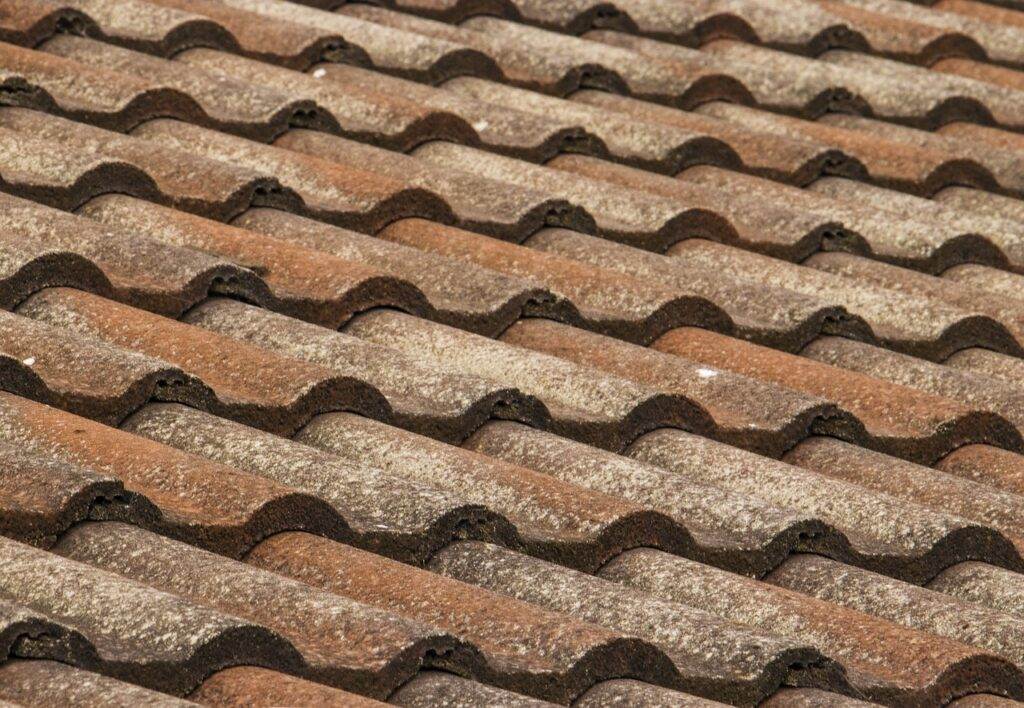
This image is property of pixabay.com.
Improving Ventilation
Understanding Ventilation Importance
Proper ventilation is crucial for the health and longevity of an old shingle roof. It helps regulate the temperature and humidity levels in the attic, preventing excessive heat buildup and moisture accumulation. Effective ventilation allows for the proper exchange of air, reducing the risk of shingle damage due to heat, condensation, and moisture-related issues. It also helps to prevent the formation of ice dams during winter by maintaining a more consistent temperature on the roof.
Signs of Poor Ventilation
Signs of poor ventilation in an old shingle roof may include excessive heat in the attic, condensation on the underside of the roof deck or insulation, and musty odors. Increased energy consumption due to higher cooling costs can also indicate inadequate ventilation. Additionally, if you notice shingles becoming discolored, curling, or deteriorating prematurely, it may be a sign that the roof is not ventilated properly. Identifying these signs early on allows for corrective measures to be taken and the lifespan of the roof to be extended.
Adding or Upgrading Vents
To improve ventilation in an old shingle roof, adding or upgrading vents may be necessary. Ridge vents, soffit vents, gable vents, and turbine vents are commonly used to facilitate proper airflow between the attic and the outside environment. Ridge vents and soffit vents work together to create a continuous flow of air, with cool air entering through the soffit vents and warm air escaping through the ridge vents. Gable vents are particularly useful for roofs with gable ends, while turbine vents use wind power to draw air out of the attic.
Insulating the Attic
In addition to ventilation improvements, proper attic insulation is essential for maintaining the lifespan of an old shingle roof. Insulation helps regulate temperature extremes and prevents heat transfer from entering the living spaces below. By reducing heat buildup in the attic, insulation can minimize the impact of high temperatures on the shingles and extend their lifespan. It is important to ensure the insulation is properly installed and appropriately rated for the climate conditions in order to achieve optimal thermal performance.
Alternatives to Extending an Old Shingle Roof’s Lifespan
Roof Replacement
In some cases, when an old shingle roof has reached the end of its lifespan or has significant structural damage, a complete roof replacement may be necessary. Roof replacement involves tearing off the existing shingles and installing new ones. This can be an opportunity to choose a different type of roofing material, such as metal, slate, or tile, which may offer greater durability and longevity than traditional shingles. Proper installation by experienced professionals is essential for ensuring the new roof’s longevity and performance.
Overlaying with New Shingles
Overlaying an old shingle roof with new shingles is another option that can extend its lifespan, especially if the underlying roof structure is still in good condition. Overlaying involves installing a new layer of shingles directly on top of the existing ones without removing them completely. This method can save time and costs compared to a full roof replacement. However, it is important to consider the added weight and potential limitations of the existing roof structure when opting for this approach. Additionally, local building codes should be checked to ensure overlaying is allowed in the specific area.
Roof Replacement
When to Consider Replacement
Roof replacement becomes necessary when an old shingle roof has reached the end of its expected lifespan, which is typically around 20 to 25 years, or when extensive damage or structural issues are present. Signs that may indicate the need for a roof replacement include widespread shingle deterioration, multiple leaks, sagging or bowing of the roof structure, or missing shingles. If repairs are becoming frequent and costly, it may be more cost-effective to invest in a new roof that will provide a longer lifespan and better performance.
Choosing the Right Material
When considering a roof replacement for an old shingle roof, it is essential to choose the right roofing material based on the specific needs and requirements. Various materials, such as asphalt shingles, metal, slate, tile, or wood, offer different levels of durability, longevity, and aesthetics. Factors to consider include the climate conditions, local building codes, architectural style, cost, energy efficiency, and maintenance requirements. Consulting with a professional roofing contractor can help determine the most suitable material for the replacement roof.
Professional Installation
Proper installation is critical for the longevity and performance of a new roof. Hiring a professional roofing contractor with experience in roof replacements ensures that the installation is done according to industry standards and best practices. Professional installers have the necessary skills and expertise to handle the complexities involved in removing the old shingles, preparing the roof deck, and installing the new roofing material. A well-executed roof replacement by professionals provides peace of mind and extends the lifespan of the new roof.
Overlaying with New Shingles
Suitable Conditions for Overlaying
Overlaying an old shingle roof with new shingles is a viable option in certain conditions. It is typically suitable when the underlying roof structure is sound, with no significant damage or structural issues. Additionally, the weight of the existing shingles should be considered, as adding another layer of shingles increases the load on the roof structure. Local building codes should be consulted to ensure that overlaying is allowed and compliant in the specific area.
Preparation and Installation Process
Before overlaying with new shingles, the existing roof should be thoroughly inspected for any signs of damage, such as rot, mold, or warped decking. Any necessary repairs should be completed before proceeding. The roof surface should be cleaned and free of debris or loose shingles. A layer of underlayment may be added to provide an additional moisture barrier between the old and new shingles. The new shingles are then installed directly over the existing ones, following proper installation techniques and manufacturer guidelines. Flashing and other necessary components should be replaced or updated as part of the overlaying process.
Limitations and Considerations
Overlaying with new shingles is not without limitations and considerations. Adding another layer of shingles increases the overall weight on the roof structure, which may exceed its load-bearing capacity in some cases. This can result in structural issues and compromise the integrity of the roof. Additionally, overlaying can make it more challenging to detect underlying damage or leaks, as it conceals the existing roof. Therefore, it is important to consult with a professional roofing contractor to assess the suitability and feasibility of overlaying based on the specific circumstances.
source https://roofingrepairspecialists.com/can-you-extend-the-lifespan-of-an-old-shingle-roof/

No comments:
Post a Comment