Determining the right time to replace your house roof is crucial to ensuring the structural integrity and protection of your home. With the passage of time and exposure to various elements, roofs experience wear and tear that can compromise their effectiveness. Understanding how often house roofs generally need replacement is essential for homeowners looking to maintain the value of their property and avoid costly repairs. This article provides an insightful analysis of the factors that indicate when it is time to consider replacing your house roof, empowering you to make informed decisions regarding the maintenance and longevity of your home.
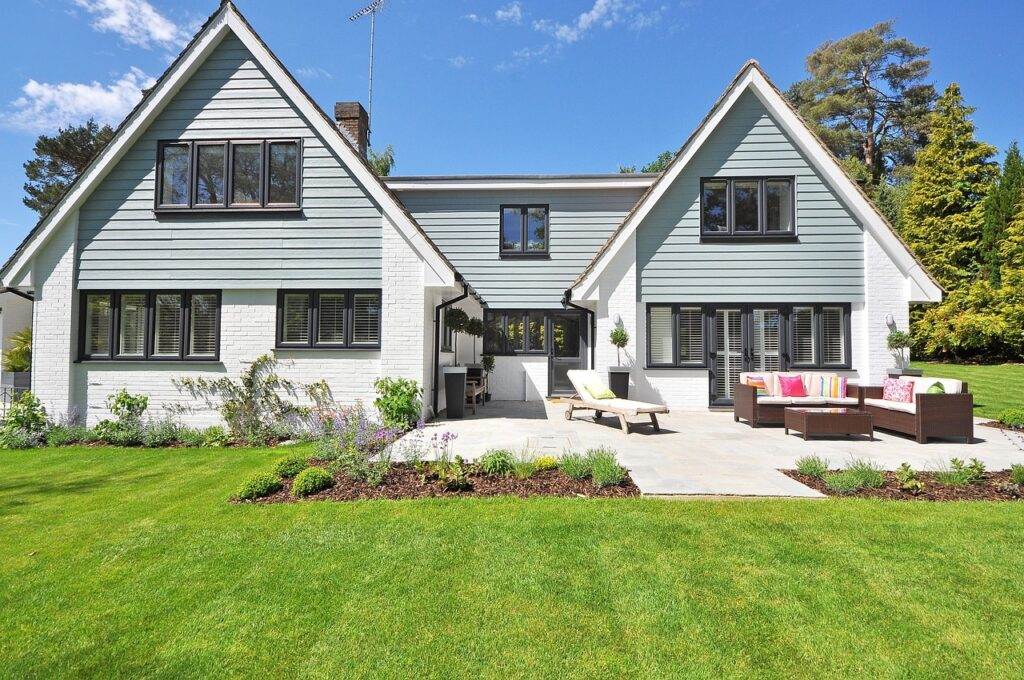
This image is property of pixabay.com.
Factors to Consider
When it comes to determining whether or not your house roof needs to be replaced, there are several key factors that you should consider. These factors include the age of the roof, shingle condition, visible damage, signs of leaks, energy efficiency, curb appeal, warranty expiration, weather events, roofing material, and moss or algae growth. By carefully assessing each of these factors, you can make an informed decision about whether it’s time to invest in a new roof for your home.
Age of the Roof
The age of your roof is one of the primary factors to consider when determining whether it needs to be replaced. Different roofing materials have different lifespans, so it’s important to know how old your roof is and what type of material it’s made of. Generally, asphalt shingles have a lifespan of 20-25 years, while metal roofs can last 50 years or more. By understanding the typical lifespan of your specific roofing material, you can gauge whether your roof is nearing the end of its usable life.
In addition to the age of the roof, signs of aging such as cracking, warping, or deteriorating shingles should also be considered. If your roof is showing significant signs of wear and tear, even if it’s not quite at the end of its expected lifespan, it may be a good idea to start planning for a replacement. Additionally, examining the maintenance history of your roof is important. Regular inspections and maintenance can help extend the life of your roof, so if your roof has not been well-maintained, it may be more prone to needing replacement.
Shingle Condition
The condition of the shingles on your roof is another crucial factor in determining whether a replacement is necessary. There are several signs of shingle damage to look out for, including missing shingles, curling shingles, buckling shingles, and cracked shingles.
Missing shingles can leave your roof vulnerable to water damage and other issues. If you notice any areas where shingles are entirely missing from your roof, it’s a clear indication that you need to consider a replacement. Curling shingles occur when the edges of the shingles turn upward, which can lead to leaks and other problems. Similarly, if your shingles are buckling or appear to be uneven, it’s a sign that the roof is failing and needs attention. Cracked shingles can also be problematic, as they can allow water to seep in and cause further damage.
Visible Damage
Visible damage to your roof can indicate the need for a replacement. There are several types of visible damage that you should watch out for, including hail damage, wind damage, sun damage, and debris damage.
Hailstorms can cause significant damage to your roof, leaving dents or holes in the shingles, and sometimes even causing the shingles to break or crack. Similarly, strong winds can lift and dislodge shingles, leaving your roof vulnerable to leaks and other issues. Exposure to the sun’s UV rays can also cause shingles to deteriorate over time, leading to potential leaks and other problems. Finally, debris such as falling tree branches can cause damage to your roof, such as tearing shingles or damaging the roof structure.
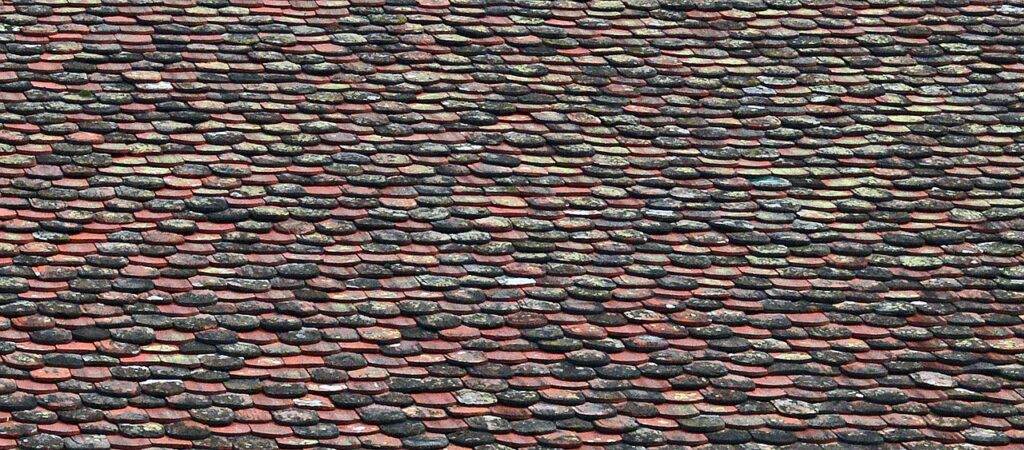
This image is property of pixabay.com.
Signs of Leaks
Signs of leaks in your home can indicate roof damage that requires replacement. It’s important to regularly check for signs of water intrusion, as a leaky roof can lead to extensive damage and costly repairs. Common signs of roof leaks include water stains on ceilings, dripping or water puddles in the attic, mold or mildew growth, and musty odors.
Water stains on ceilings are a clear indication that water is seeping in from your roof. If you notice any discoloration or water spots on your ceiling, it’s crucial to investigate the source of the leak and address it promptly. Similarly, if you find standing water or damp areas in your attic, it’s a sign that your roof is allowing water to enter your home. Mold or mildew growth in your attic or on your walls can also indicate a leaky roof, as these fungi thrive in moist environments. Finally, musty odors in your home can be a sign of water damage, indicating that your roof may be compromised.
Energy Efficiency
The energy efficiency of your roof can also be a factor in determining whether it needs to be replaced. Poor insulation and an inefficient roof can lead to high energy bills and uneven cooling or heating in your home.
A roof with inadequate insulation can allow heat to escape during the winter and enter during the summer, leading to increased energy consumption and higher utility costs. Additionally, an inefficient roof can result in uneven temperature distribution throughout your home, making certain areas uncomfortable or difficult to heat or cool properly. If you notice consistently high energy bills or have areas in your home that are noticeably hotter or colder than others, it may be worth considering a roof replacement to improve energy efficiency.
Curb Appeal
The aesthetic appeal of your roof is another factor that may influence your decision to replace it. Faded or discolored shingles can give your home a worn-out appearance, detracting from its overall curb appeal. Additionally, granule loss on the shingles can make them look bare and less attractive. Moss or algae growth on your roof can also be unsightly and impact the overall appearance of your home. Furthermore, if you have detached or damaged gutters and downspouts, it can not only affect the curb appeal but also lead to water damage and other issues.
Warranty Expiration
Understanding the warranty coverage of your roof is crucial when considering a replacement. Different roofing warranties have different coverage periods, so it’s important to know when your warranty expires.
Roofing warranties typically cover defects in materials and workmanship. The coverage period can vary, with some warranties providing coverage for a specific number of years and others offering a pro-rated warranty that decreases over time. If your roof is nearing the end of its warranty, it may be worth considering a replacement, as any issues that arise after the warranty expires will not be covered.
Weather Events
Weather events can have a significant impact on the condition and longevity of your roof. Storm damage, heavy snowfall, severe winds, and ice dams are all factors to consider when deciding whether to replace your roof.
Severe storms can cause extensive damage to your roof, including shingle loss, roof leaks, and structural damage. Heavy snowfall can put a strain on your roof, potentially leading to collapse or other issues. Severe winds can lift and dislodge shingles, leaving your roof vulnerable to leaks and other damage. Ice dams, which occur when melting snow refreezes at the edge of the roof, can cause water to back up and seep into your home. If your roof has experienced significant damage due to weather events, it may be necessary to replace it to ensure the safety and integrity of your home.
Roofing Material
The type of roofing material used on your roof can also play a role in determining whether it needs to be replaced. Different materials have different lifespans and durability, so it’s important to understand the characteristics of your specific roofing material.
For example, asphalt shingles are a popular choice due to their affordability and relatively long lifespan. However, they are more prone to damage from weather events and may need replacement sooner than other materials. Metal roofs, on the other hand, have a longer lifespan and are highly durable, making them a good choice for homeowners looking for a low-maintenance option. By understanding the pros and cons of your specific roofing material, you can make an informed decision about whether a replacement is necessary.
Moss or Algae Growth
The presence of moss or algae on your roof can be an indication that a replacement is needed. While moss and algae growth may not necessarily cause immediate damage, they can impact the longevity and performance of your roof over time.
Moss tends to thrive in damp and shaded areas, especially in regions with high humidity. If left unchecked, moss can retain moisture on your roof’s surface, leading to accelerated deterioration of the shingles. Likewise, algae growth can cause discoloration and staining on your roof, affecting the curb appeal and potentially indicating underlying issues with moisture retention. Regular cleaning and maintenance, as well as taking steps to prevent moss and algae growth, can help preserve the lifespan of your roof.
In conclusion, determining when to replace your house roof requires careful consideration of various factors. Assessing the age of the roof, shingle condition, visible damage, signs of leaks, energy efficiency, curb appeal, warranty expiration, weather events, roofing material, and moss or algae growth can help you make an informed decision. Regular inspections, maintenance, and timely repairs can extend the life of your roof, but there may come a time when a replacement is necessary to ensure the safety, functionality, and longevity of your home. It is recommended to consult with a roofing professional to assess the condition of your roof and determine the best course of action for your specific situation.
source https://roofingrepairspecialists.com/when-to-replace-your-house-roof/

No comments:
Post a Comment