Determining the ideal timing to replace a roof is crucial for both homeowners and industry professionals alike. The question of when to embark on this important task is often met with careful consideration, particularly when it comes to budget-friendly options. While there are various factors to take into account, such as weather conditions and availability of contractors, identifying the most cost-effective time of year to replace a roof can prove advantageous. By strategically planning this endeavor, homeowners can potentially maximize their savings without compromising the quality and integrity of their roof.
Factors to Consider
When considering whether it’s time to replace your roof, there are several important factors to take into account. These factors will help you make an informed decision that takes into account the age of your roof, the extent of damage it has sustained, the frequency of roof repairs needed, the local climate you live in, the cost of materials, and any budget constraints you may have.
Age of the Roof
The age of your roof is a crucial factor in determining whether it’s time for a replacement. Most roofs have a lifespan of about 20-25 years, depending on the materials used and how well they have been maintained. If your roof is approaching or exceeding this age range, it may be time to start considering a replacement. As roofs age, they become more susceptible to damage and may start to show signs of wear and tear.
Extent of Damage
Assessing the extent of damage to your roof is essential in determining whether a replacement is necessary. If you’re experiencing multiple leaks, your shingles are curled or buckled, there is mold or mildew growth, you’re losing excessive granules from your shingles, or your roof deck is sagging, these are all signs that your roof has suffered significant damage. In such cases, a replacement is likely needed to avoid further issues, such as water damage to your home’s interior.
Frequency of Roof Repairs
If you find yourself constantly needing to patch up your roof with repairs, it may be an indication that the time for a replacement has come. Roof repairs can be expensive and add up over time. Furthermore, frequent repairs can be a sign that your roof has reached the end of its lifespan and is in need of a more permanent solution. While it may be tempting to continue with repairs to save money, in the long run, a replacement may be more cost-effective.
Local Climate
The climate in which you live plays a significant role in the lifespan and condition of your roof. Harsh weather conditions such as frequent storms, heavy rain, snow, and extreme temperatures can accelerate the deterioration of your roof. If you live in an area with an intense climate, it’s important to closely monitor your roof’s condition and consider a replacement sooner rather than later to avoid potential damage and costly repairs.
Cost of Materials
Another factor to consider when deciding on the timing of a roof replacement is the cost of materials. Roofing materials can vary significantly in price, depending on factors such as quality, durability, and style. It’s important to research and compare the costs of different materials to find the best option that fits both your budget and your desired aesthetic. Keep in mind that while cheaper materials may save you money upfront, they may not be as durable and could result in additional costs in the future.
Budget Constraints
Budget constraints are a reality for many homeowners, and determining the right time for a roof replacement often comes down to financial considerations. It’s crucial to evaluate your budget and determine how much you can afford to spend on a roof replacement. If funds are limited, you may need to prioritize essential repairs and consider options such as financing or exploring less expensive roofing materials. Planning ahead and considering your financial situation will help you make an informed decision about the timing of your roof replacement.

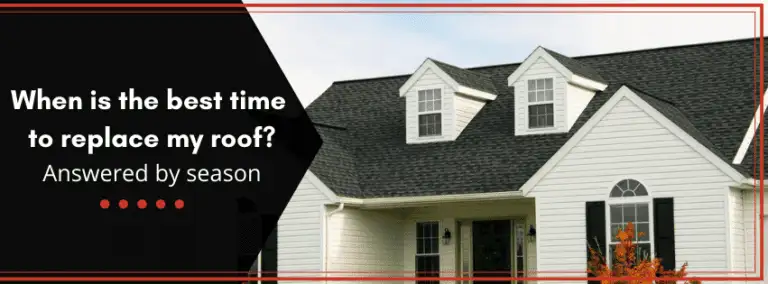
This image is property of eaglewatchroofing.com.
Signs it’s Time to Replace
Recognizing the signs that indicate it’s time for a roof replacement can save you from further damage and costly repairs. While some signs may be more obvious than others, it’s essential to address any indications of roof deterioration promptly.
Multiple Leaks
If you notice water leaking into your home from multiple locations on your roof, it’s a sign that your roof has significant damage and may need to be replaced. Leaks can cause extensive damage to your home’s interior, including the growth of mold and mildew, which can lead to health issues. Addressing leaks promptly will help preserve the structural integrity of your home.
Curled or Buckled Shingles
Visible signs of curled or buckled shingles indicate that your roof’s protective layer is compromised and may be nearing the end of its lifespan. Curled or buckled shingles can be caused by various factors, including weathering, heat, and age. If left unaddressed, they can lead to water infiltration, resulting in further damage to your roof and home.
Mold or Mildew Growth
The presence of mold or mildew on or around your roof is a significant indication of moisture infiltration and potential roof damage. Mold and mildew thrive in damp environments, and their growth can lead to serious health issues for you and your family. If you discover mold or mildew, it’s essential to address the underlying cause, which may require a roof replacement.
Excessive Granule Loss
As your roof ages, it’s normal for some granule loss to occur, particularly after severe weather events. However, if you notice an excessive amount of granules in your gutters or around your downspouts, it may be a sign that your roof’s protective layer is deteriorating and no longer effectively shielding your home from the elements. Excessive granule loss can leave your roof vulnerable to further damage and may warrant a replacement.
Sagging Roof Deck
A sagging roof deck is a clear indication that your roof is experiencing significant structural issues. This can be caused by various factors, including excessive weight on the roof, water damage, or deteriorating support structures. A sagging roof deck poses a serious safety risk and requires immediate attention. In such cases, a roof replacement is almost always necessary to ensure the structural integrity of your home.
Visible Daylight through Attic
If you notice streams of light entering your attic or home through your roof, it’s a clear sign that there are gaps or holes in your roof. This can occur due to damage from severe weather, wear and tear, or aging materials. Visible daylight through your attic indicates that your roof is no longer providing adequate protection and should be replaced as soon as possible.
Damaged Flashing
Flashing is the material used to seal joints and prevent water from seeping into vulnerable areas of your roof, such as chimneys, vents, and skylights. Damaged or deteriorating flashing can lead to water leaks and extensive damage to your roof and home. If your flashing is cracked, rusted, or missing, it’s important to address the issue promptly, which may involve replacing the roof in the affected area.
This image is property of joylandroofing.com.
Best Time of Year
While determining the best time of year to replace your roof may depend on various factors such as your location and personal circumstances, each season offers its own advantages and disadvantages.
Spring
Spring is often considered a favorable time for roof replacements due to moderate temperatures and typically less rainfall compared to other seasons. The milder climate allows for efficient installation without extreme heat or cold that may affect the roofing materials. Additionally, spring offers more flexibility in scheduling as it tends to be less busy for contractors, who are often in high demand during the summer months. Choosing to replace your roof in the spring can help you avoid the rush and potential delays that may come with the peak season.
Summer
Summer is the peak season for roof replacements, mainly due to the extended daytime and favorable weather conditions. With longer days, contractors have more daylight to work with and can complete installations efficiently. Additionally, the dry weather promotes faster installation and ensures proper adhesion of roofing materials. However, it’s important to note that the high demand during the summer can lead to increased costs and potential scheduling challenges. If you choose to have your roof replaced in the summer, it’s crucial to plan ahead and secure a reputable contractor early.
Fall
Fall can be an ideal time for roof replacements due to milder weather conditions and reduced humidity. The cooler temperatures make it more comfortable for contractors to work, and the lower humidity levels reduce the risk of moisture-related issues during installation. Additionally, fall is a great time for post-summer inspections, allowing you to identify any damage that may have occurred and address it promptly. Contractors also tend to be more available during the fall, and you may have the opportunity to take advantage of off-season discounts.
Winter
Winter is generally the least busy season for roof replacements, which means contractors are more readily available. Additionally, there is lower demand during this time, potentially resulting in lower costs. However, there are certain limitations and challenges associated with replacing a roof in winter. Weather conditions can be unpredictable and may cause delays, especially in areas with heavy snowfall or freezing temperatures. It’s important to work closely with your contractor to ensure that installation can be carried out safely and effectively. Additionally, keep in mind that material costs may be higher in winter due to limited availability.

This image is property of media.angi.com.
Common Roofing Mistakes
There are several common mistakes that homeowners make when it comes to their roofs, and these mistakes can have serious consequences. By being aware of these mistakes, you can avoid costly repairs and ensure the longevity and performance of your roof.
Delaying Replacement Too Long
One of the most common mistakes homeowners make is delaying roof replacement for too long. It can be tempting to put off the expense and inconvenience of a roof replacement, especially if there are no immediate signs of severe damage. However, delaying a replacement when it’s necessary can lead to more extensive damage and costly repairs in the long run. Regular inspections and maintenance can help identify issues early on and allow for timely replacements, preventing further damage to your home.
Settling for Quick Fixes
When faced with roofing issues, it may be tempting to opt for quick fixes rather than investing in a complete replacement. However, quick fixes such as patching up leaks or replacing a few damaged shingles may only provide temporary solutions. Over time, these quick fixes may fail and require additional repairs or replacements. It’s important to consult with a professional and assess the overall condition of your roof to determine if a replacement is needed.
Ignoring Early Warning Signs
Early warning signs of roof damage, such as leaks, cracked shingles, or granule loss, should never be ignored. These signs may indicate underlying issues that can worsen over time and cause significant damage to your roof and home. By addressing these warning signs promptly, you can prevent further damage and potentially avoid the need for a complete replacement.
Overlooking Structural Issues
Roof damage is not always limited to the visible exterior components of your roof. Structural issues, such as sagging roof decks or deteriorating support structures, can compromise the stability and safety of your entire home. It’s crucial to address any structural issues promptly and consult with a professional to determine if a roof replacement is necessary.

This image is property of www.cwcroofing.com.
Hiring a Professional
When it comes to replacing your roof, hiring a professional roofing contractor is essential to ensure a successful and long-lasting installation. Here are some important steps to follow when hiring a professional.
Researching Roofing Contractors
Start by doing thorough research to find reputable roofing contractors in your area. Look for companies with years of experience, a solid reputation, and positive customer reviews. Online resources, local directories, and recommendations from friends and family can be valuable sources of information.
Requesting Quotes and Comparisons
Contact several roofing contractors and request detailed quotes for the replacement project. Make sure the quotes include a breakdown of costs, materials, labor, and any additional services or warranties offered. Take the time to compare the quotes and consider the value each contractor offers.
Checking Credentials and Insurance
Before making a decision, verify that the roofing contractors you are considering are properly licensed and insured. Licensing ensures that the contractor has met certain requirements and is qualified to perform the work. Insurance protects you from any liability in case of accidents or property damage during the project.
Read Reviews and Testimonials
Read reviews and testimonials from previous customers to get an idea of the contractor’s reputation and the quality of their work. Online platforms, such as review websites and social media, can provide valuable insights into the experiences of other homeowners who have worked with the contractor.
Signing a Detailed Contract
Once you have selected a roofing contractor, make sure to sign a detailed contract that outlines the scope of work, timelines, materials to be used, payment terms, and any warranties or guarantees. Review the contract carefully and ensure that you have a clear understanding of all terms and conditions before signing.

This image is property of www.ableroof.com.
Conclusion
Replacing a roof is a significant investment that requires careful consideration and planning. By taking into account factors such as the age of your roof, extent of damage, frequency of repairs, local climate, cost of materials, and your budget constraints, you can make an informed decision about the timing of the replacement. Recognizing signs of roof deterioration, understanding the advantages and disadvantages of each season, avoiding common roofing mistakes, and hiring a professional roofing contractor are all crucial steps in ensuring a successful roof replacement that will protect your home for years to come.
source https://roofingrepairspecialists.com/when-is-the-best-time-to-replace-a-roof/

No comments:
Post a Comment