Unveiling the Quick Development of Mold from a Leaking Roof explores the rapid growth of mold and its correlation with a leaking roof. Understanding the speed at which mold flourishes within the confines of a compromised roof is crucial for homeowners and property managers alike. This article delves into the various factors that contribute to the swift emergence of mold, shedding light on the potential risks associated with a leaking roof and providing valuable insights into preventive measures that can be taken. By unraveling the mysteries behind the quick development of mold, this piece aims to equip readers with the knowledge needed to effectively address and mitigate such issues.
Causes of Roof Leaks
Roof leaks can be caused by various factors, and it’s essential to identify and address them promptly to prevent water damage and mold growth. The following are some common causes of roof leaks:
Broken or missing shingles
One of the most common causes of roof leaks is broken or missing shingles. Shingles can become damaged due to severe weather conditions, aging, or improper installation. When shingles are cracked, curled, or completely missing, they leave the underlying roof structure exposed to water infiltration.
Damaged flashing
Flashing refers to the metal or plastic strips installed around roof openings, such as chimneys, skylights, and vent pipes, to provide a waterproof barrier. If the flashing becomes damaged or improperly installed, it can allow water to seep into the roof, leading to leaks.
Clogged gutters
Clogged gutters can also contribute to roof leaks. When gutters are filled with debris such as leaves, twigs, and dirt, they prevent proper water drainage. The excess water can then overflow and seep under the roof’s edge, causing moisture intrusion and potential leaks.
Condensation in the attic
Inadequate attic ventilation can lead to condensation buildup, which can eventually result in roof leaks. When warm, moist air from inside the house rises to the attic and encounters cooler surfaces, such as the underside of the roof deck, condensation forms. Over time, the accumulated moisture can cause structural damage and compromise the integrity of the roof.
Signs of a Leaking Roof
Detecting a leaking roof early is crucial to avoid extensive damage and mold growth. Here are some common signs that indicate a leaking roof:
Visible water stains on the ceiling
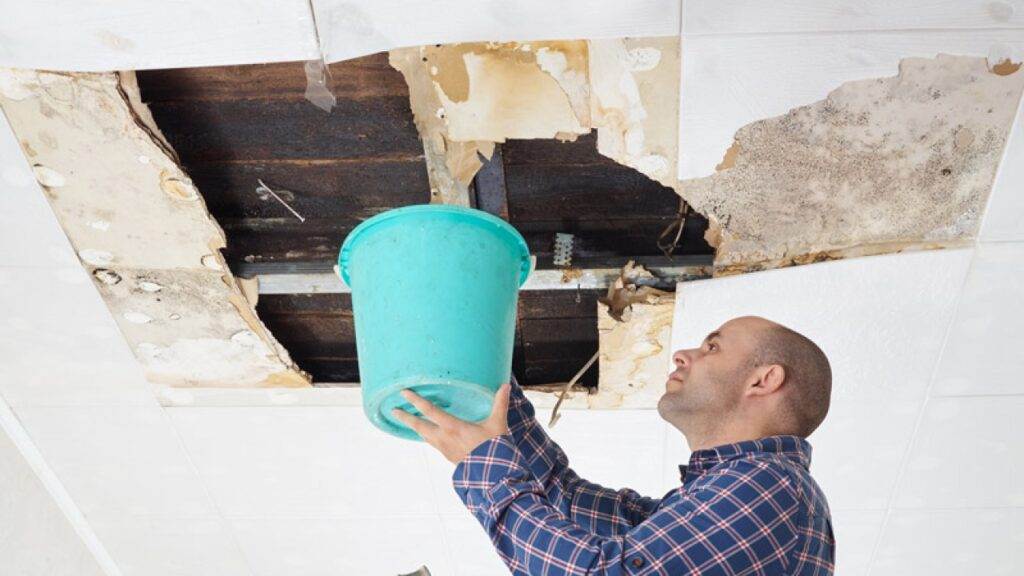
Water stains on the ceiling are among the most obvious signs of a leaking roof. These stains often appear as brownish or yellowish discoloration on the ceiling surface. They might start small but can gradually expand and become more prominent if the leak persists.
Dripping water or puddles indoors
If you notice dripping water or find puddles indoors, especially during or after rainfall, it’s likely that your roof is leaking. These signs indicate that water is infiltrating the roofing system and finding its way into the interior of the building.
Mold or mildew growth
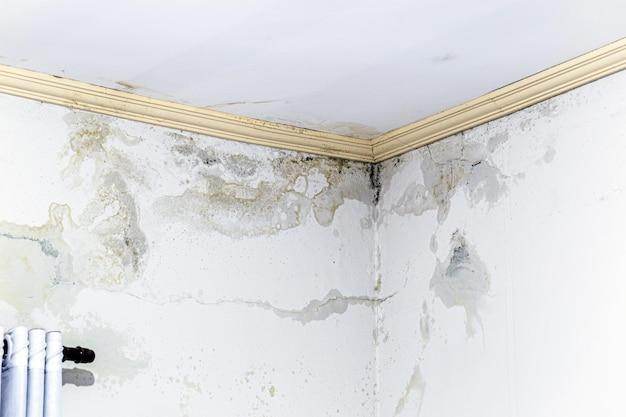
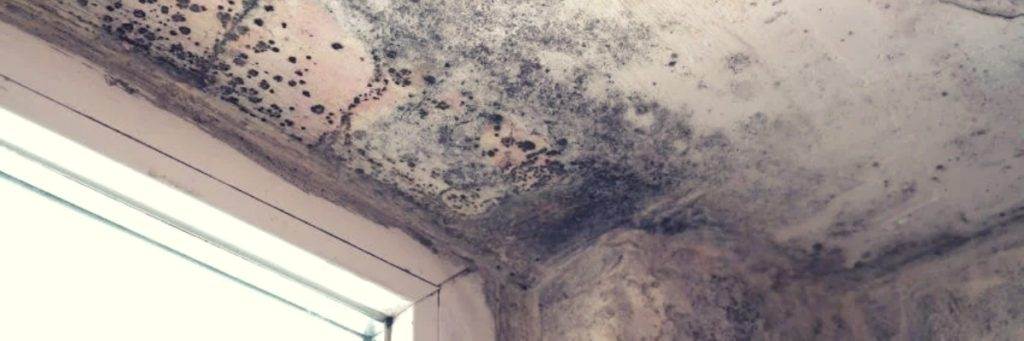
The presence of mold or mildew in your home could be a strong indication of a leaking roof. Mold requires moisture to grow, and a leaking roof provides the ideal environment for mold spores to thrive. Look for any visible signs of mold, such as black or green patches, particularly in areas near the ceiling or walls.
Musty odor
A musty or damp odor in your home can suggest a hidden water leak, including a leaking roof. Pay attention to any unpleasant smells that persist, as they may be an indication of mold growth resulting from a hidden roof leak.
This image is property of i0.wp.com.
The Role of Moisture in Mold Development
Moisture plays a crucial role in the development and growth of mold. Mold spores are present in the air, but they require specific conditions to thrive and multiply. These conditions include an organic food source, appropriate temperature, and, most importantly, moisture.
Moisture as a breeding ground for mold
Mold needs moisture to support its growth. When excessive moisture is present in an environment, such as a leaking roof causing water infiltration, it provides an ideal breeding ground for mold spores. Mold can rapidly spread and colonize areas that remain damp, creating health hazards and causing structural damage.
Roof leaks providing the required moisture
A leaking roof can introduce moisture into your home or building, providing the necessary conditions for mold to flourish. Even minor roof leaks can release a significant amount of water over time, providing an ongoing source of moisture for mold growth. It is crucial to address roof leaks promptly to prevent a mold infestation.
Ideal conditions for mold growth
Apart from moisture, mold requires relatively warm temperatures and an organic food source to grow. Common organic materials found in buildings, such as wood, drywall, and insulation, can provide the necessary nutrients for mold growth. When all these conditions align, mold can develop and spread rapidly, posing health risks to occupants.
How Quickly Does Mold Develop?
The speed at which mold develops from a leaking roof can vary depending on various factors. These factors include the extent of moisture intrusion, temperature conditions, types of mold spores present, and the presence of organic materials for mold to feed on. However, there are general timelines to consider.
Dependent on various factors
The development of mold from a leaking roof is influenced by numerous factors. If the conditions are favorable, such as high humidity, warmth, and the presence of organic materials, mold can start growing within a short period. However, if the conditions are less favorable, mold growth may be delayed.
Initial growth within 24-48 hours
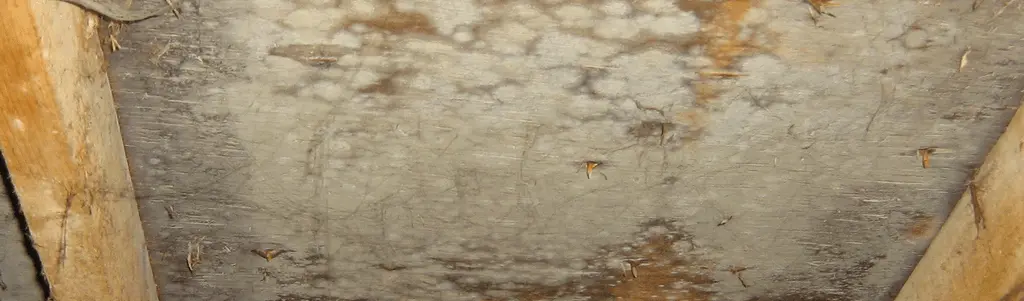
In ideal conditions, mold can begin to grow within 24 to 48 hours after moisture intrusion occurs. During this initial stage, mold may not be visible, but the spores are actively colonizing and spreading in hidden areas, such as behind walls and under carpets.
Rapid development within 1-2 weeks
Within one to two weeks of continuous moisture exposure, mold growth can become more visible and widespread. You may start noticing visible signs of mold, such as discoloration, musty odors, and even health symptoms. If left unaddressed, mold can continue to grow and cause significant damage to the affected areas.
This image is property of oatuu.org.
Health Risks Associated with Mold Exposure
Exposure to mold can have adverse health effects, particularly for individuals with underlying respiratory conditions or weakened immune systems. Mold releases microscopic spores into the air, which, when inhaled, can trigger various health problems. Some of the health risks associated with mold exposure include:
Allergic reactions
Many people are allergic to mold and may experience allergic reactions when exposed to it. Common symptoms of mold allergies include sneezing, runny nose, itchy or watery eyes, coughing, and skin irritation. These allergic reactions can range from mild to severe, depending on an individual’s sensitivity.
Respiratory problems
Exposure to mold can also lead to respiratory problems, especially in individuals with asthma or other respiratory conditions. Inhaling mold spores can irritate the airways, causing symptoms such as coughing, wheezing, shortness of breath, and chest tightness. Prolonged exposure to mold can worsen these respiratory symptoms.
Asthma attacks
For individuals with asthma, mold exposure can trigger asthma attacks. Mold spores can act as common asthma triggers, leading to increased airway inflammation, bronchoconstriction, and difficulty breathing. It is crucial for asthmatics to avoid exposure to mold to prevent exacerbation of their condition.
Weakened immune system
Some individuals, such as those with compromised immune systems, may be more susceptible to the adverse effects of mold exposure. Mold can cause systemic fungal infections in vulnerable individuals, which can be severe and even life-threatening. People undergoing chemotherapy, organ transplant recipients, and those with HIV/AIDS are particularly at risk.
Steps to Address a Leaking Roof
If you suspect or identify a leaking roof, taking prompt action is crucial to prevent further damage and mold growth. Here are some steps you can take to address a leaking roof:
Identify the source of the leak
Thoroughly inspect your roof and attic to pinpoint the exact location of the leak. Look for signs of water intrusion, such as wet spots, stains, or visible damage. Identifying the source of the leak will help in determining the appropriate repair methods.
Temporarily cover the affected area
While waiting for professional assistance, consider applying temporary measures to prevent further water damage. Use plastic sheeting or tarps to cover the affected area and divert water away from the leak until it can be properly addressed.
Hire a professional roofer
To ensure a thorough and lasting repair, it is advisable to hire a professional roofer. They have the expertise, tools, and experience to accurately diagnose the problem and implement the necessary repairs. Hiring a professional will help prevent recurring leaks and ensure the long-term integrity of your roof.
Repair or replace damaged roof components
Based on the assessment by the professional roofer, damaged roof components should be repaired or replaced as needed. This may include fixing broken shingles, repairing damaged flashing, unclogging gutters, or improving attic ventilation. Proper repairs will help minimize the risk of future roof leaks.
This image is property of damschroderroofing.com.
Preventing Mold Growth
Preventing mold growth is essential to maintain a healthy indoor environment and protect your property. Here are some preventive measures you can take to minimize the risk of mold growth from a leaking roof:
Ensure proper attic ventilation
Proper attic ventilation plays a vital role in preventing excess moisture buildup. A well-ventilated attic helps promote airflow, reducing the chances of condensation and mold growth. Consider installing vents, ridge vents, or exhaust fans to improve ventilation in the attic space.
Frequent roof inspections and maintenance
Regularly inspecting your roof and performing routine maintenance can help identify and address potential issues before they escalate. Have a professional roofer inspect your roof at least once a year or after severe weather events to catch any early signs of damage or leaks.
Regularly clean gutters and downspouts
Regularly cleaning gutters and downspouts is essential to ensure proper water drainage from your roof. Remove any debris that may accumulate, such as leaves, twigs, or dirt, to prevent clogs that can lead to water overflow and roof leaks.
Promptly address any signs of water damage
If you notice any signs of water damage, such as water stains or mold growth, address them promptly. Delaying repairs can exacerbate the problem and increase the risk of mold infestation. Whether it’s a leaking roof or a plumbing issue, addressing water damage promptly is crucial to prevent further complications.
Professional Mold Remediation
In cases where mold growth has already occurred due to a leaking roof, professional mold remediation is necessary. Mold remediation involves specific steps to assess, contain, remove, and prevent the recurrence of mold. Here are the key components of professional mold remediation:
Assessment of mold damage
A professional mold remediation specialist will assess the extent of mold damage in your home or building. This assessment includes identifying areas affected by mold growth, the type of mold present, and evaluating the potential health risks associated with mold exposure.
Containment and removal of mold
To prevent further spread of mold spores, the affected area is contained using specialized techniques and equipment. This may involve sealing off the contaminated area, using negative air pressure to maintain airflow direction, and using air filtration devices to capture airborne mold spores. The mold is then carefully removed using appropriate methods and disposed of properly.
Proper disposal of mold-infested materials
Any materials damaged by mold, such as drywall, insulation, or carpeting, may need to be removed and discarded. Proper disposal procedures are followed to prevent cross-contamination and the spread of mold spores. The affected area is thoroughly cleaned and sanitized to ensure mold removal.
Cleaning and disinfection
After the mold has been removed, the affected area is cleaned and disinfected to eliminate any remaining mold spores. Specialized cleaning products and techniques are used to ensure that the area is safe and mold-free. This step is crucial to prevent future mold growth.
This image is property of www.environix.com.
The Importance of Quick Action
Taking quick action to address a leaking roof and any resulting mold growth is vital for several reasons:
Preventing further damage to the roof
Promptly addressing a leaking roof can prevent further damage to the roof structure. Water intrusion can weaken the roof’s integrity and lead to more extensive and costly repairs. By addressing the issue early on, you can avoid costly roof replacement or major structural repairs.
Averting health risks associated with mold
Mold growth resulting from a leaking roof can pose significant health risks to occupants. By taking quick action to address the mold infestation, you can minimize the exposure to mold spores and reduce the potential health effects, particularly for individuals with respiratory conditions or weakened immune systems.
Preserving indoor air quality
Mold releases airborne spores that can significantly degrade indoor air quality. These spores can be inhaled and cause respiratory problems and allergic reactions. By addressing a leaking roof promptly and preventing mold growth, you can maintain a healthy indoor environment with improved air quality.
Minimizing repair costs
Addressing a leaking roof and preventing mold growth early can help minimize repair costs. The longer a leak is left unaddressed, the more extensive the damage can become. Repairing a small roof leak is generally more cost-effective than dealing with major structural repairs or mold remediation caused by prolonged water exposure.
Conclusion
A leaking roof can lead to a multitude of issues, including water damage and mold growth. Identifying the causes of roof leaks, recognizing the signs of a leaking roof, and understanding the importance of moisture in mold development are crucial in preventing further damage and health risks. By promptly addressing a leaking roof, hiring professionals for repairs, and taking preventive measures, you can preserve the integrity of your roof, protect your health, and maintain a safe and mold-free environment. Remember, quick action is key when it comes to preventing further damage and ensuring a healthy living space.
This image is property of b1788602.smushcdn.com.
source https://roofingrepairspecialists.com/unveiling-the-quick-development-of-mold-from-a-leaking-roof/

No comments:
Post a Comment