In this article, you will discover the top five do-it-yourself (DIY) roofing solutions that will empower you to tackle roof installations with confidence. From uncomplicated materials to simplified installation methods, these DIY options have been carefully selected based on their ease of use, ensuring that even those with limited roofing experience can successfully complete their own projects. Whether you’re a homeowner seeking cost-effective roofing solutions or a DIY enthusiast ready to take on a new challenge, this article will provide you with valuable insights on the easiest roof to install yourself.

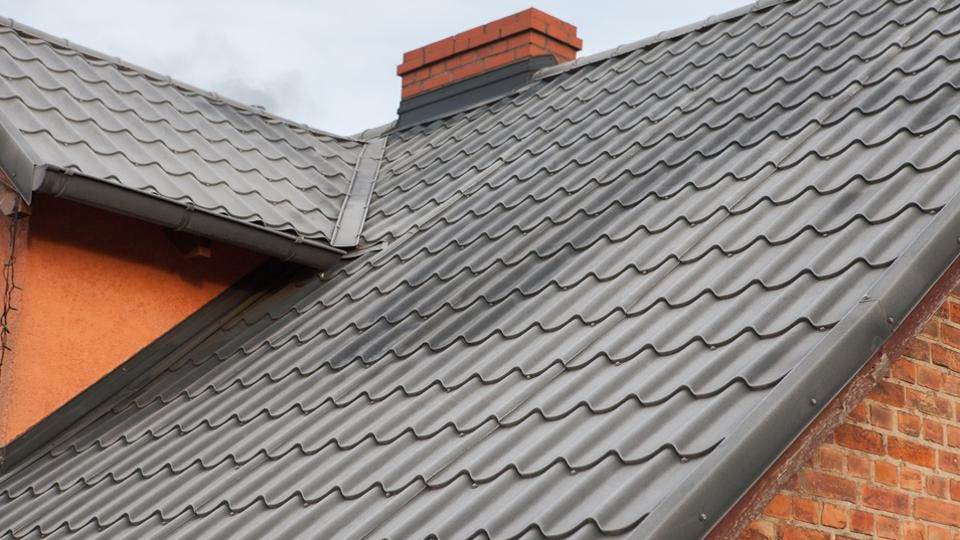
This image is property of www.thespruce.com.
Top 5 DIY Roofing Solutions
When it comes to roofing, there are a variety of options available for homeowners looking to tackle the project themselves. DIY roofing solutions can be cost-effective and rewarding, but it’s important to choose the right materials and follow proper installation steps to ensure a successful outcome. In this article, we will explore the top five DIY roofing solutions: Asphalt Shingles, Metal Roofing, Rubber Roofing, Clay or Concrete Tiles, and Wood Shingles or Shakes. We will discuss the overview, materials and tools needed, installation steps, pros and cons, as well as cost and maintenance considerations for each roofing solution.
1. Asphalt Shingles
1.1 Overview
Asphalt shingles are one of the most common roofing materials used in residential construction. They are popular due to their affordability, versatility, and ease of installation. Asphalt shingles come in a wide range of colors and styles, allowing homeowners to choose a look that matches their preferences and enhances the curb appeal of their home.
1.2 Materials and Tools Needed
To install asphalt shingles, you will need the following materials and tools:
- Asphalt shingles
- Roofing felt
- Roofing nails
- Roofing adhesive
- Roofing cement
- Drip edge
- Flashing
- Underlayment
- Safety harness
- Ladder
- Hammer
- Utility knife
- Nail gun
- Chalk line
- Roofing nail gun
1.3 Installation Steps
The installation process for asphalt shingles involves the following steps:
-
Prepare the roof: Remove the existing roofing material and inspect the roof deck for any damage. Repair or replace any damaged areas.
-
Install underlayment: Lay down a layer of roofing felt or synthetic underlayment to provide an additional layer of protection against moisture.
-
Install drip edge and flashing: Install the drip edge along the eaves and rakes of the roof to prevent water from seeping underneath the shingles. Install flashing around chimneys, vents, and other roof penetrations.
-
Begin shingle installation: Start at the bottom edge of the roof and work your way up, overlapping each row of shingles. Use a chalk line to ensure straight and even rows.
-
Secure shingles: Nail the shingles into place using roofing nails, making sure to follow the manufacturer’s recommendations for the number of nails per shingle.
-
Install ridge caps: Install ridge caps along the ridges of the roof to provide a finished look and additional protection against water infiltration.
1.4 Pros and Cons of Asphalt Shingles
Some pros of asphalt shingles include:
-
Affordability: Asphalt shingles are one of the most cost-effective roofing materials available, making them an attractive option for homeowners on a budget.
-
Variety: Asphalt shingles come in a wide range of colors and styles, allowing homeowners to choose a look that complements their home’s architecture and personal style.
-
Easy installation: With the right tools and materials, asphalt shingles can be installed relatively easily, making them a popular choice for DIY projects.
-
Durability: Asphalt shingles are designed to withstand various weather conditions and can have a lifespan of 20 to 30 years.
However, there are also some cons to consider:
-
Vulnerable to extreme temperatures: Asphalt shingles can be susceptible to damage from extreme temperatures, such as cracking in cold climates or warping in hot climates.
-
Limited lifespan: While asphalt shingles can last for several decades, they have a shorter lifespan compared to some other roofing materials, such as metal or clay tiles.
1.5 Cost and Maintenance Considerations
The cost of asphalt shingles can vary depending on factors such as quality, style, and brand. On average, you can expect to pay between $3 and $5 per square foot for materials and installation. It’s important to consider the long-term maintenance costs as well, as asphalt shingles may require occasional repairs and replacement over time.
Regular maintenance for asphalt shingles includes keeping the roof clean and free of debris, inspecting for any signs of damage or wear, and promptly addressing any issues that arise. By properly maintaining your asphalt shingle roof, you can help extend its lifespan and prevent potential problems in the future.
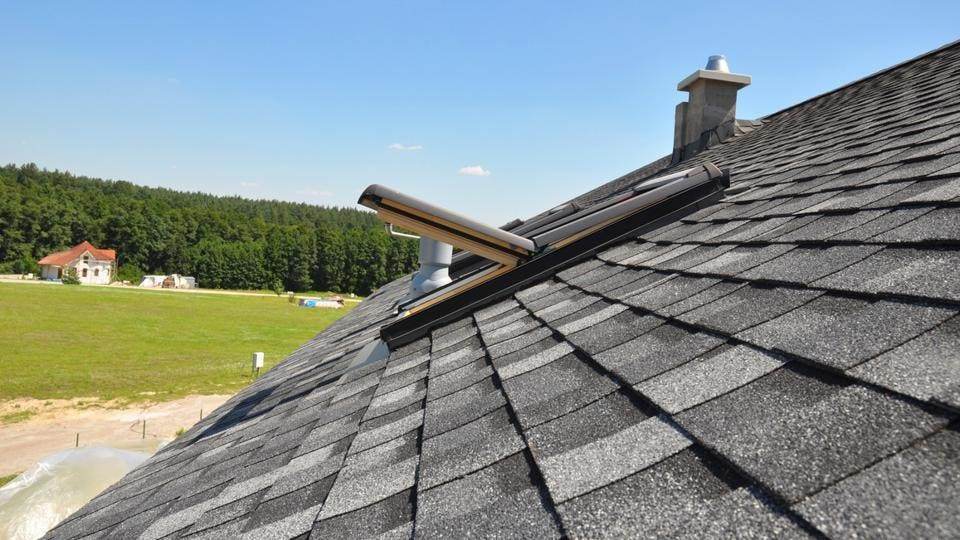
This image is property of thumbor.forbes.com.
2. Metal Roofing
2.1 Overview
Metal roofing has gained popularity in recent years due to its durability, energy efficiency, and versatility. It is available in a variety of styles and finishes, allowing homeowners to achieve a modern or classic look for their home.
2.2 Materials and Tools Needed
To install a metal roof, you will need the following materials and tools:
- Metal panels or shingles
- Roofing underlayment
- Roofing screws or nails
- Roofing adhesive
- Ridge caps
- Flashing
- Safety harness
- Ladder
- Tin snips or metal shears
- Drill/driver
- Caulking gun
2.3 Installation Steps
The installation process for metal roofing involves the following steps:
-
Prepare the roof: Remove any existing roofing material and inspect the roof deck for damage. Make any necessary repairs before proceeding.
-
Install underlayment: Lay down a layer of roofing underlayment to provide additional weather protection.
-
Install flashing: Install flashing around chimneys, vents, and other roof penetrations to prevent water infiltration.
-
Begin metal panel installation: Start at one corner of the roof and lay the first metal panel or shingle according to the manufacturer’s instructions. Overlap each panel or shingle to ensure a watertight seal.
-
Secure the metal panels: Use roofing screws or nails to secure the metal panels to the roof deck, following the manufacturer’s recommendations for spacing and fastener type.
-
Install ridge caps: Install ridge caps along the ridges of the roof to provide a finished look and additional protection against water penetration.
2.4 Pros and Cons of Metal Roofing
Some pros of metal roofing include:
-
Durability: Metal roofs are highly durable and can withstand extreme weather conditions, including strong winds, heavy rain, and hail. They are also resistant to fire, rot, and insect damage.
-
Energy efficiency: Metal roofs have reflective properties that can help reduce cooling costs by reflecting the sun’s heat away from the building. They can also be installed with additional insulation for improved energy efficiency.
-
Longevity: When properly installed and maintained, metal roofs can last 40 to 70 years or more, often exceeding the lifespan of other roofing materials.
-
Versatility: Metal roofing is available in a variety of styles, including panels, shingles, and tiles, allowing homeowners to achieve different looks and architectural designs.
However, there are also some cons to consider:
-
Cost: Metal roofing can be more expensive upfront compared to other roofing materials. However, its long lifespan and energy efficiency may offset the initial investment over time.
-
Noise: Without proper insulation, metal roofs can be noisy during rain or hailstorms. However, insulation materials can help minimize the noise.
2.5 Cost and Maintenance Considerations
The cost of metal roofing can vary depending on factors such as the type of metal, finish, and style. On average, you can expect to pay between $7 and $12 per square foot for materials and installation. While the initial cost may be higher compared to other roofing materials, the long-term savings in energy costs and potential lifespan of the roof can make it a worthwhile investment.
Maintenance for a metal roof is relatively low compared to other materials. Regular inspections and cleaning to remove debris are recommended. Any damaged or loose panels should be repaired or replaced promptly to maintain the integrity of the roof.
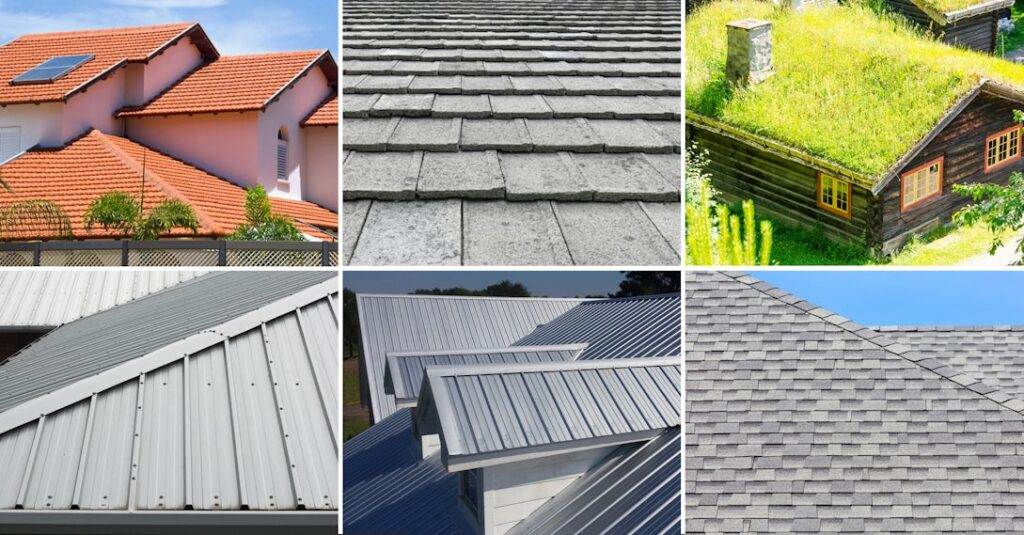
This image is property of thumbor.forbes.com.
3. Rubber Roofing
3.1 Overview
Rubber roofing, also known as EPDM (Ethylene Propylene Diene Monomer), is a popular choice for flat or low-slope roofs. It is known for its durability, affordability, and ease of installation.
3.2 Materials and Tools Needed
To install a rubber roof, you will need the following materials and tools:
- Rubber roofing membrane
- Rubber roofing adhesive
- Seam primer
- Seam tape
- Flashing
- Roofing nails or screws
- Safety harness
- Ladder
- Utility knife
- Roller or brush
3.3 Installation Steps
The installation process for rubber roofing involves the following steps:
-
Prepare the roof: Remove any existing roofing material and clean the roof surface. Repair any damaged areas or flashing before proceeding.
-
Install flashing: Install flashing around roof penetrations and edges to prevent water infiltration.
-
Lay down rubber membrane: Roll out the rubber roofing membrane over the roof surface, leaving a few inches of overhang on all sides.
-
Adhere the membrane: Apply the rubber roofing adhesive to the roof surface and roll the membrane onto the adhesive, smoothing out any wrinkles or air pockets.
-
Secure the seams: Use a seam primer to clean the edges of the membrane and apply seam tape to seal the seams. Press the tape firmly onto the membrane.
-
Install flashing and edge details: Install flashing around roof penetrations and edges, securing them with roofing nails or screws.
-
Trim excess membrane: Use a utility knife to trim any excess membrane, leaving a clean and finished edge.
3.4 Pros and Cons of Rubber Roofing
Some pros of rubber roofing include:
-
Durability: Rubber roofs are known for their durability and can last 30 to 50 years with proper maintenance. They are resistant to hail, UV rays, and extreme weather conditions.
-
Ease of installation: Rubber roofing can be relatively easy to install, making it a suitable option for DIY projects.
-
Energy efficiency: Rubber roofs have excellent insulation properties, helping to reduce heating and cooling costs.
-
Low maintenance: Rubber roofs require minimal maintenance, typically only requiring periodic cleaning and inspections for any signs of damage.
However, there are also some cons to consider:
-
Limited aesthetic options: Rubber roofing is available in limited colors and styles, which may not suit every homeowner’s aesthetic preferences.
-
Vulnerable to punctures: Although rubber roofs are durable, they can be susceptible to punctures from sharp objects or falling branches.
3.5 Cost and Maintenance Considerations
The cost of rubber roofing can vary depending on factors such as the thickness of the membrane and the size of your roof. On average, you can expect to pay between $5 and $8 per square foot for materials and installation. Rubber roofs are considered a cost-effective option compared to other roofing materials.
Maintenance for a rubber roof is relatively low. Regular inspections and cleaning to remove debris are recommended. Any damaged or loose sections should be repaired promptly to prevent water infiltration and extend the lifespan of the roof.
This image is property of architizer-prod.imgix.net.
4. Clay or Concrete Tiles
4.1 Overview
Clay or concrete tiles are popular for their durability, longevity, and classic appearance. They can add a touch of elegance and sophistication to any home.
4.2 Materials and Tools Needed
To install clay or concrete tiles, you will need the following materials and tools:
- Clay or concrete tiles
- Roofing underlayment
- Roofing nails
- Roofing mortar or adhesive
- Ridge caps
- Flashing
- Safety harness
- Ladder
- Tile cutter or wet saw
- Roofing nail gun
4.3 Installation Steps
The installation process for clay or concrete tiles involves the following steps:
-
Prepare the roof: Remove any existing roofing material and inspect the roof deck for damage. Make any necessary repairs before proceeding.
-
Install underlayment: Lay down a layer of roofing underlayment to provide additional weather protection.
-
Install flashing: Install flashing around chimneys, vents, and other roof penetrations to prevent water infiltration.
-
Begin tile installation: Start at one corner of the roof and lay the first row of tiles along the eaves, overlapping each tile to ensure a watertight seal. Use roofing mortar or adhesive to secure the tiles.
-
Continue tile installation: Work your way up the roof, installing each row of tiles in a staggered pattern. Use a tile cutter or wet saw to cut tiles as needed to fit the edges and angles.
-
Install ridge caps: Install ridge caps along the ridges of the roof to provide a finished look and additional protection against water penetration.
4.4 Pros and Cons of Clay or Concrete Tiles
Some pros of clay or concrete tiles include:
-
Longevity: Clay or concrete tiles can last 50 to 100 years or more, making them one of the most long-lasting roofing materials available.
-
Durability: Tiles are resistant to fire, rot, and insect damage. They can withstand harsh weather conditions, including high winds and heavy rain.
-
Energy efficiency: Clay or concrete tiles have natural insulating properties, helping to reduce heating and cooling costs.
-
Aesthetic appeal: Clay or concrete tiles have a timeless and elegant appearance, enhancing the curb appeal of any home.
However, there are also some cons to consider:
-
Weight: Clay or concrete tiles are heavier compared to other roofing materials. Make sure your roof structure can support the weight before installation.
-
Cost: Clay or concrete tiles can be more expensive upfront compared to other roofing materials. However, their longevity may offset the initial investment over time.
4.5 Cost and Maintenance Considerations
The cost of clay or concrete tiles can vary depending on factors such as material quality, style, and manufacturer. On average, you can expect to pay between $10 and $20 per square foot for materials and installation. While the initial cost may be higher compared to other roofing materials, the lifespan and aesthetic appeal of clay or concrete tiles can make them a desirable choice.
Maintenance for clay or concrete tiles is relatively low, typically only requiring occasional inspections and cleaning to remove debris. Any cracked or broken tiles should be replaced promptly to maintain the integrity of the roof.
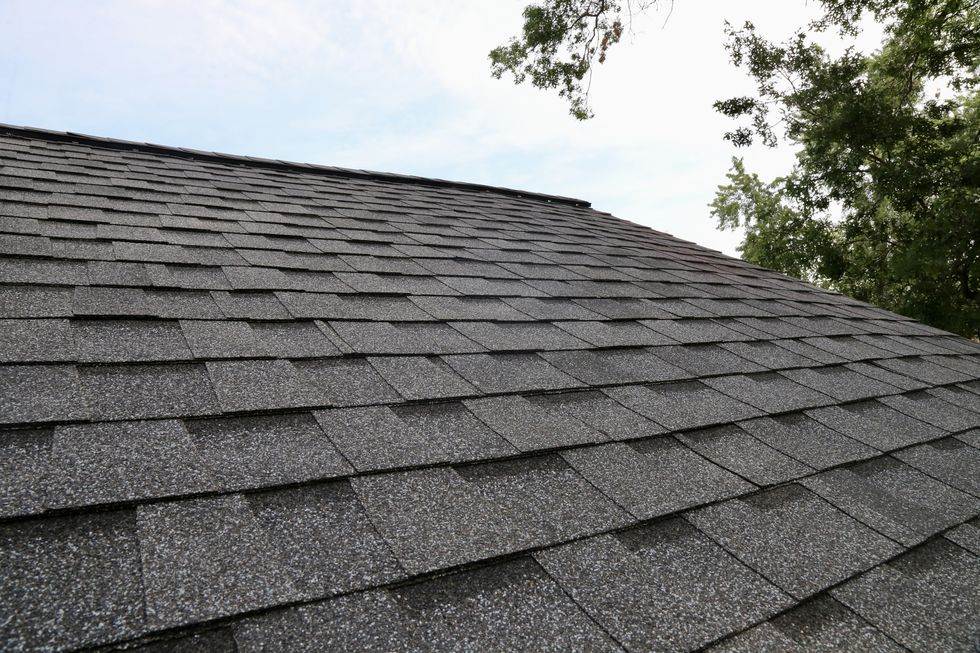
This image is property of hips.hearstapps.com.
5. Wood Shingles or Shakes
5.1 Overview
Wood shingles or shakes can add natural beauty and warmth to any home. They are a popular choice for homeowners looking to achieve a rustic or traditional look.
5.2 Materials and Tools Needed
To install wood shingles or shakes, you will need the following materials and tools:
- Wood shingles or shakes
- Roofing underlayment
- Roofing nails
- Roofing adhesive
- Flashing
- Safety harness
- Ladder
- Hammer
- Utility knife
- Nail gun
- Chalk line
5.3 Installation Steps
The installation process for wood shingles or shakes involves the following steps:
-
Prepare the roof: Remove any existing roofing material and inspect the roof deck for damage. Make any necessary repairs before proceeding.
-
Install underlayment: Lay down a layer of roofing underlayment to provide additional weather protection.
-
Install flashing: Install flashing around chimneys, vents, and other roof penetrations to prevent water infiltration.
-
Begin wood shingle or shake installation: Start at one corner of the roof and lay the first row of shingles or shakes, overlapping each piece to ensure a watertight seal. Use roofing nails or adhesive to secure them in place.
-
Continue wood shingle or shake installation: Work your way up the roof, installing each row of shingles or shakes in a staggered pattern. Use a chalk line to ensure straight and even rows.
-
Install ridge caps: Install ridge caps along the ridges of the roof to provide a finished look and additional protection against water penetration.
5.4 Pros and Cons of Wood Shingles or Shakes
Some pros of wood shingles or shakes include:
-
Natural beauty: Wood shingles or shakes have a timeless and natural appearance, enhancing the aesthetic appeal of any home.
-
Sustainability: Wood is a renewable resource, making it an environmentally friendly option for roofing.
-
Insulation: Wood shingles or shakes provide natural insulation, helping to regulate indoor temperatures and reduce energy consumption.
However, there are also some cons to consider:
-
Maintenance: Wood shingles or shakes require regular maintenance, including periodic cleaning, inspections, and treatments to prevent mold, rot, and insect damage.
-
Fire risk: Wood shingles or shakes may pose a higher fire risk compared to other roofing materials. However, treatments can be applied to reduce the risk.
5.5 Cost and Maintenance Considerations
The cost of wood shingles or shakes can vary depending on factors such as wood species, thickness, and quality. On average, you can expect to pay between $7 and $12 per square foot for materials and installation. While the initial cost may be higher compared to some other roofing materials, the natural beauty and unique characteristics of wood shingles or shakes can make them a desirable option.
Maintenance for wood shingles or shakes is relatively high compared to other materials. Regular inspections, cleaning, and treatments may be required to prevent mold, rot, and insect infestations. It’s important to follow manufacturer recommendations and consult with professionals to ensure proper maintenance and preserve the longevity of your wood roof.
In conclusion, there are several DIY roofing solutions available for homeowners looking to take on the project themselves. Asphalt shingles, metal roofing, rubber roofing, clay or concrete tiles, and wood shingles or shakes offer a range of options with different benefits and considerations. By understanding the overview, materials and tools needed, installation steps, pros and cons, as well as cost and maintenance considerations for each roofing solution, homeowners can make an informed decision and successfully tackle their DIY roofing project. Remember to prioritize safety, follow manufacturer guidelines, and consult with professionals if needed, to ensure a successful and durable roof for your home.
source https://roofingrepairspecialists.com/top-5-diy-roofing-solutions/

No comments:
Post a Comment