Water has a tendency to find its way into places we least expect it. One such unexpected place is a roof leak, where water seeping through the tiniest of cracks can travel surprising distances. From cascading down walls to infiltrating electrical systems, the damage caused by a roof leak can extend far beyond the immediate vicinity. In this article, we will explore the remarkable trajectory of water from a roof leak and uncover the potential risks it poses to your home or office. Buckle up as we embark on a journey to understand the surprising distance water can travel when it escapes through a leak in your roof.
Factors Affecting the Distance Water Can Travel
When it comes to roof leaks, the distance water can travel varies depending on several factors. Understanding these factors is crucial not only for detecting and addressing leaks promptly but also for preventing potential consequences such as structural damage, mold growth, electrical damage, and health hazards. Let’s delve into each factor affecting the distance water can travel.
Type of Roofing Material
The type of roofing material used can have a significant impact on how far water can travel from a roof leak. Some materials are more porous and absorbent, while others are designed to be more impermeable.
Impact on Water Absorption
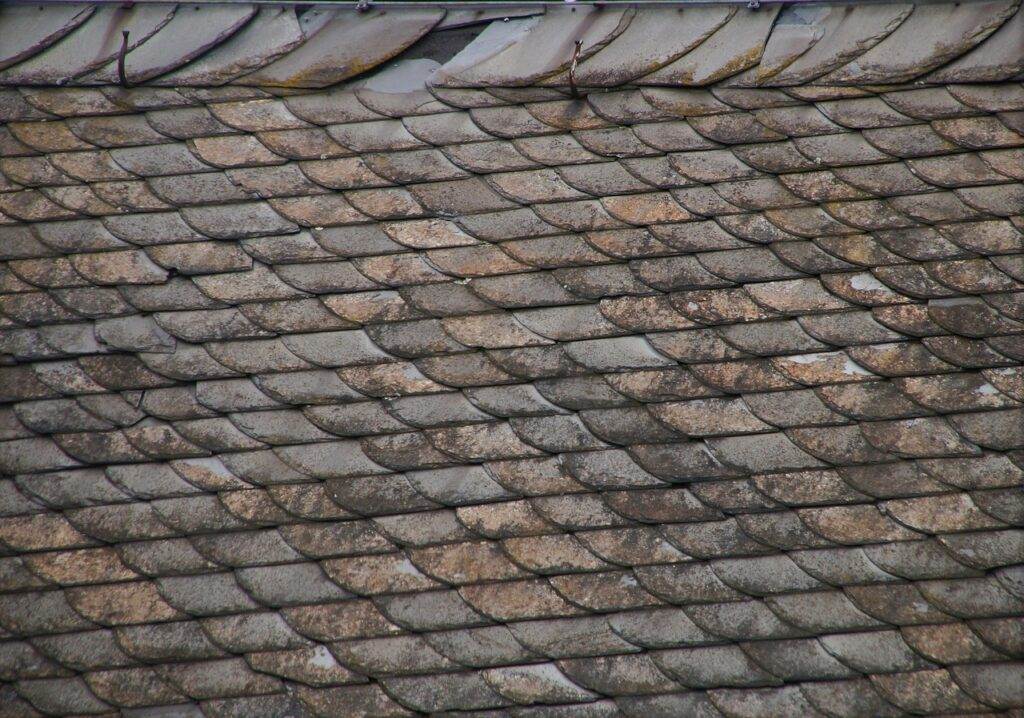
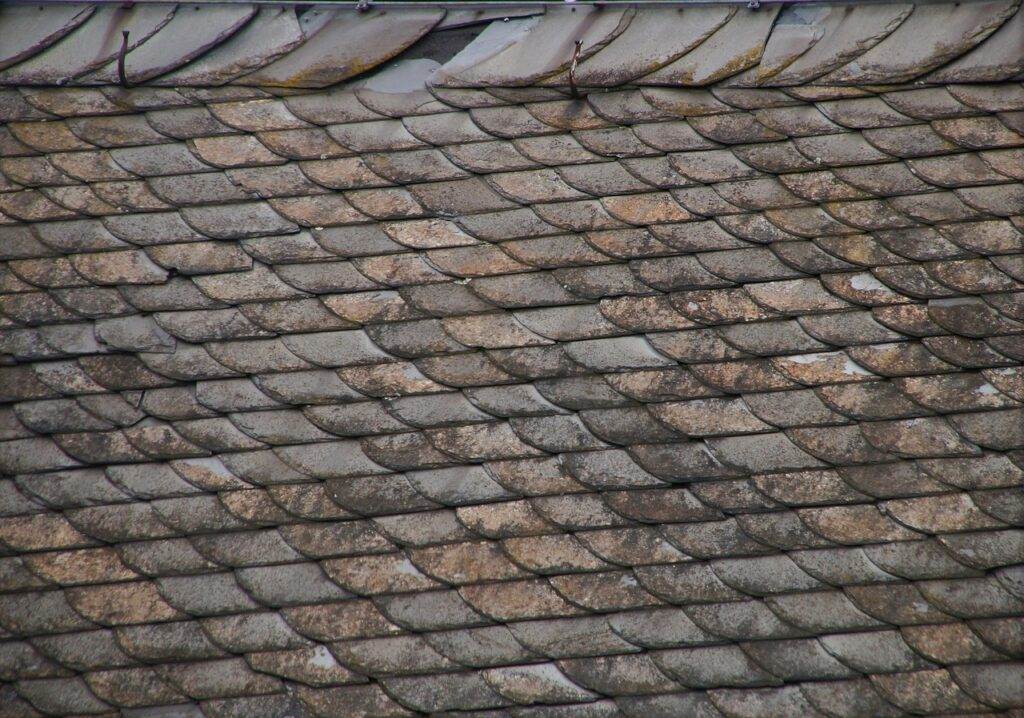
Roofing materials that have high water absorption rates, such as certain types of clay tiles or wood shingles, can retain water for longer periods. As a result, leaks originating from these materials may allow water to penetrate deeper into the roofing structure, potentially causing more damage and allowing the leakage to travel further.
Impact on Water Flow
On the other hand, the flow of water from a leak can be affected by the roofing material’s surface texture. For example, smooth materials, like metal or some types of synthetic shingles, can promote faster water flow, enabling leaks to traverse longer distances more quickly. In contrast, rougher or textured materials might impede water flow, leading to a shorter distance of travel for leaks.

This image is property of pixabay.com.
Severity of the Leak
The severity of a roof leak plays a crucial role in determining the distance water can travel. The severity can be evaluated based on the size of the leak, the duration it remains unaddressed, and the water pressure within the roofing system.
Size of the Leak
Larger leaks can release a larger volume of water into the roofing structure, facilitating its spread and potentially causing more extensive damage. Consequently, the distance traveled by the water can be greater with larger leaks compared to smaller ones.
Duration of the Leak
Roof leaks that persist for an extended period can saturate the surrounding materials, compromising their structural integrity and allowing water to travel farther. The longer the leak remains unresolved, the more time water has to soak into various layers of the roof and potentially spread to other areas.
Water Pressure
The pressure of the water within the roofing system can influence the distance water can travel from a leak. Higher water pressure can propel the water further, potentially allowing it to reach areas farther from the source of the leak. Lower water pressure, on the other hand, may limit the distance traveled by the water.
Slope of the Roof
The slope or pitch of the roof affects both the flow of water and the distance it can travel. The slope determines how quickly water is directed toward drainage systems or off the roof entirely.
Effect on Water Flow
A steeper slope accelerates the flow of water, facilitating its quick removal from the roof’s surface. This fast flow can prevent water from pooling or stagnating, minimizing the distance water can travel and reducing the likelihood of extensive damage.
Effect on Distance Traveled
In contrast, a flatter roof with a minimal slope may impede the flow of water, enabling it to travel a greater distance before reaching a drainage point. Leaks on flat roofs have the potential to travel significant distances as water tends to spread horizontally rather than being directed downward.

This image is property of pixabay.com.
Presence of Obstacles
The presence of obstacles can impede the spread of water and limit the distance it can travel from a roof leak. Obstacles can include chimneys, vents, skylights, or any structures that interrupt the continuous flow of water.
Effect on Water Spread
Obstacles can redirect the flow of water, causing it to pool or accumulate in specific areas instead of spreading out evenly. This can restrict the distance traveled by water from the leak, concentrating the damage in localized regions.
Effect on Distance Covered
Similarly, obstacles can block the path of water, preventing it from reaching areas farther from the source of the leak. The greater the number and size of obstacles, the shorter the distance water can travel, reducing the potential for damage in unobstructed areas.
Weather Conditions
Weather conditions also influence the distance water can travel from a roof leak. Factors such as rainfall intensity, wind speed, and temperature can affect water evaporation, saturation levels, and the overall movement of water.
Impact on Water Evaporation
During dry and hot conditions, water from a roof leak is more likely to evaporate quickly, limiting the distance it can travel. Higher evaporation rates help mitigate the potential for water damage by reducing its presence on various surfaces.
Impact on Water Saturation
Conversely, heavy rainfall and prolonged wet periods can saturate the roofing materials and the underlying structure, allowing water to penetrate deeper and travel further. Water saturation can extend the distance traveled by leaks and exacerbate the potential for damage.
This image is property of pixabay.com.
Potential Consequences of Water Travel
Understanding the distance water can travel from a roof leak is crucial because it correlates with the potential consequences that can arise. These consequences include structural damage, mold and mildew growth, electrical damage, and health hazards.
Structural Damage
Water traveling a significant distance from a roof leak can weaken the structural components of a building. Continuous water exposure can compromise the stability and integrity of materials, leading to rot, deterioration, or even collapse. Structural damage may manifest as sagging ceilings, warped walls, or compromised foundations.
Mold and Mildew Growth
Water traveling from a roof leak provides a conducive environment for the growth of mold and mildew. As the water spreads within the structure, it can promote the growth of spores, leading to potential health hazards and further damage. Mold and mildew can cause allergic reactions, respiratory issues, and damage to surfaces and materials.
Electrical Damage
When water travels a considerable distance from a roof leak, it can reach electrical systems and pose a significant risk. Water infiltration into electrical components can lead to short circuits, electrocution hazards, and potential fires. Electrical damage can be costly to repair and pose a severe threat to both property and personal safety.
Health Hazards
Beyond the physical damage, the consequences of water travel from a leak extend to potential health hazards. Mold growth, as mentioned earlier, can trigger allergic reactions, respiratory problems, and other health issues. Additionally, accumulated moisture can create a breeding ground for bacteria, pests, and other contaminants that can pose health risks to occupants.
Detecting and Addressing Roof Leaks
Promptly detecting and addressing roof leaks is essential to prevent extensive damage and mitigate potential consequences. Here are some crucial steps to take:
Visible Signs of Water Damage
Regularly inspect your ceilings, walls, and attic spaces for visible signs of water damage, such as discoloration, peeling paint, or water stains. Additionally, be attentive to any musty odors, which can indicate the presence of mold or mildew resulting from a leak.
Engaging Professionals
If you suspect a roof leak but are unable to identify the source or extent of the problem, it is advisable to engage the services of a professional roofing contractor. Roofing professionals have the expertise, tools, and experience to locate and address leaks efficiently, helping prevent further damage.
Temporary Measures
While waiting for professional assistance, it may be necessary to implement temporary measures to minimize the extent of damage. Placing buckets or containers under visible leaks can catch dripping water and prevent it from spreading to other areas. Tarpaulins or plastic sheets can be used to cover exposed areas, ensuring additional water entry is prevented until repairs can be completed.
Repairing the Leak
Once the source of the leak is identified, it is crucial to repair it promptly and effectively. This may involve patching damaged roofing materials, replacing faulty components, or reinforcing vulnerable areas. It is essential to consult a professional for proper repairs to ensure the integrity and longevity of the fix.
This image is property of pixabay.com.
Preventing Future Roof Leaks
Prevention is always better than remediation. Taking proactive measures to prevent roof leaks can save time, money, and potential headaches. Here are some preventative steps to consider:
Regular Roof Inspections
Schedule regular roof inspections by qualified professionals to identify potential issues before they escalate into leaks. Routine inspections can help detect and address minor damages, ensure proper maintenance, and extend the lifespan of your roof.
Proper Maintenance
Implement a robust maintenance routine for your roof, including regular cleaning, removal of debris, and prompt repairs of any minor damages. Proper maintenance not only prevents leaks but also prolongs the overall lifespan of your roof.
Cleaning Gutters and Drains
Regularly clean and clear your gutters and drains to prevent blockages. Clogged gutters can cause water to overflow onto the roof, leading to leaks as well as potential water damage to the roof and surrounding areas.
Using Quality Materials
Invest in high-quality roofing materials that are designed to withstand various weather conditions and minimize water penetration. Consult with roofing professionals to ensure you choose materials that are suitable for your specific climate and have a good track record for durability and longevity.
Conclusion
Understanding the factors that affect the distance water can travel from a roof leak is crucial for homeowners and building managers alike. Factors such as the type of roofing material, severity of the leak, slope of the roof, presence of obstacles, and weather conditions all play a significant role in determining how far water can travel and the potential consequences it may bring. Taking proactive steps to detect, address, and prevent roof leaks is essential for maintaining a safe and structurally sound property. Regular inspections, proper maintenance, and engaging professionals when needed can help safeguard against damage and ensure the longevity of your roof.

This image is property of pixabay.com.
source https://roofingrepairspecialists.com/the-surprising-distance-water-can-travel-from-a-roof-leak/

No comments:
Post a Comment