When it comes to applying roof sealant on a wet roof, there are certain dos and don’ts that you should keep in mind. While it may seem like a simple task, the process requires careful consideration to ensure its effectiveness and longevity. In this article, we will explore the dos and don’ts of applying roof sealant on a wet roof, providing you with valuable insights and recommendations to help you make informed decisions. So, let’s delve into the dos and don’ts and discover how you can effectively protect your roof from moisture damage.
The Dos
Ensure Safety Precautions
When working on your roof, it is crucial to prioritize safety. Before starting any sealant application, make sure you have the necessary safety equipment, such as non-slip shoes, safety harnesses, and gloves. Additionally, secure any loose or unstable areas on the roof to prevent accidents.
Clean and Prepare the Roof
Before applying any sealant, thoroughly clean the roof surface to remove dirt, debris, and any previous sealant residues. Use a stiff broom or a pressure washer to ensure a clean and smooth surface. Any remaining particles or contaminants can compromise the adhesion of the sealant.
Choose the Right Sealant
Selecting the appropriate sealant for your roof’s specific needs is essential for long-lasting results. Consider factors such as the type of roofing material, weather conditions, and the level of waterproofing required. Consult with a professional or read product guidelines to determine which sealant is best suited for your roof.
Apply in Dry Weather
Moisture can interfere with the sealant’s ability to adhere properly to the roof surface. Therefore, it is crucial to apply the sealant during dry weather conditions. Avoid rainy or extremely humid days, as excess moisture can prevent the sealant from curing correctly and may lead to future issues.
Start Early in the Day
To ensure sufficient drying time, it is advisable to begin the sealant application early in the day. This allows ample time for the sealant to dry and cure before nighttime temperatures drop. Initiate the process when there is sufficient daylight and foresee a stretch of dry weather to expedite the curing process.
Apply Evenly
To achieve an efficient and durable seal, it is important to ensure an even distribution of the sealant across the entire roof surface. Uneven application may result in weak spots, where moisture can penetrate and cause damage. Utilize proper tools and techniques to ensure a consistent and uniform layer of sealant.
Use a Brush or Roller
When applying roof sealant, it is recommended to use a brush or roller for optimal results. These tools facilitate better control and coverage, allowing you to reach into corners and tight spaces with ease. Avoid using inappropriate tools, such as spray applicators, as they may lead to uneven or inadequate coverage.
Follow Product Instructions
Each sealant product comes with specific instructions provided by the manufacturer. It is crucial to follow these guidelines meticulously to ensure proper application and achieve the desired results. Failure to adhere to the product instructions may result in subpar sealing, reduced durability, or other issues.
Allow Sufficient Drying Time
After applying the sealant, allow sufficient drying time for it to cure completely. The drying time may vary depending on the product and weather conditions. Avoid walking or putting any weight on the sealed area until the sealant is fully dried and cured. Rushing the drying process can compromise the effectiveness of the sealant.
Inspect and Repair Any Damage
Before applying the sealant, thoroughly inspect the roof for any existing damage or issues. Address and repair any leaks, cracks, or loose shingles before proceeding with the sealant application. Applying sealant over damaged areas without proper repairs may result in ineffective sealing and further damage to the roof structure.

This image is property of inlandcoatings.com.
The Don’ts
Apply on a Saturated Roof
Attempting to apply sealant on a wet or saturated roof is a common mistake that should be avoided. Moisture on the roof surface can interfere with the adhesion and curing process, leading to a weak seal and potential future leaks. Ensure that the roof is completely dry before beginning the sealant application.
Neglect Proper Cleaning
Cleaning the roof surface thoroughly before applying sealant is critical for achieving an effective and long-lasting seal. Neglecting to clean the roof adequately can result in poor adhesion and compromised waterproofing. Take the time to remove any dirt, debris, or previous sealant residues to prepare the roof surface properly.
Use Incompatible Sealant
Using a sealant that is incompatible with your specific roofing material or weather conditions can lead to unexpected issues. Different roofing materials require different types of sealants, so it is important to select a sealant that is compatible with your roof’s material. Additionally, consider factors such as UV resistance, flexibility, and durability when choosing the right sealant.
Apply in Rainy or Humid Conditions
Applying sealant during rainy or humid conditions is counterproductive and can adversely affect the sealing process. Moisture hampers the sealant’s ability to adhere and cure properly, potentially leading to leaks or premature failure. Check weather forecasts and ensure a dry and relatively low-humidity period before proceeding with the application.
Start Late in the Day
Commencing the sealant application late in the day limits drying time and curing potential. Ideally, start the process early in the morning to allow the sealant sufficient drying time before nightfall. Adequate drying time enables the sealant to form a solid, waterproof barrier, ensuring its effectiveness and longevity.
Apply Unevenly
Applying the sealant unevenly can create weak spots and compromise the integrity of the seal. Uneven application may result in areas where moisture can penetrate, leading to potential leaks and damage. Take care to distribute the sealant evenly across the entire roof surface for a consistent and reliable seal.
Use Improper Application Tools
Using improper tools for sealant application can hinder the process and compromise the quality of the seal. Avoid using spray applicators, as they can lead to uneven application and inadequate coverage. Opt for brushes or rollers that allow better control and ensure a uniform layer of sealant.
Ignore Product Instructions
Disregarding the manufacturer’s instructions for the sealant you are using can have detrimental consequences. Each sealant product has specific guidelines for application, drying time, and other essential factors. Deviating from these instructions may result in ineffective sealing, reduced durability, or other unforeseen issues.
Rush Drying Process
Attempting to expedite the drying process by applying excessive heat or other artificial means can be detrimental. Allow the sealant the necessary time to dry and cure naturally, as attempting to rush the process may compromise its effectiveness and durability. Patience during the drying process will lead to better and longer-lasting results.
Overlook Existing Roof Issues
Before applying sealant, it is crucial to inspect the roof thoroughly for any existing issues, such as leaks, cracks, or damage. Applying sealant over damaged areas without addressing the underlying problems will not provide a long-lasting solution. Take the time to identify and repair any existing roof issues before proceeding with the sealant application.
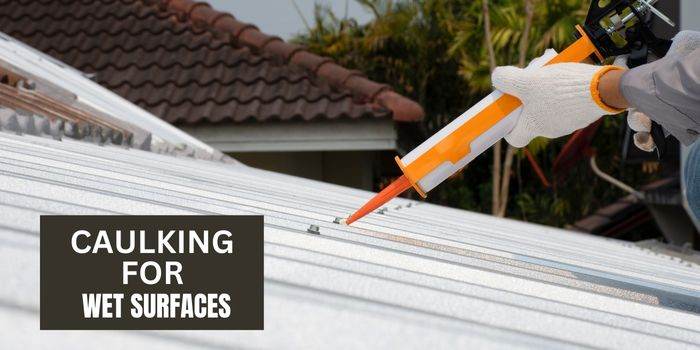
Can you put roof sealant on a wet roof? The answer is a resounding no. Applying roof sealant on a wet or saturated roof is impractical and counterproductive. Moisture impedes proper adhesion and curing, which can lead to a weak seal and potential future leaks. It is essential to ensure that the roof is completely dry before initiating the sealant application process.
To achieve a successful and long-lasting seal, several dos and don’ts should be followed. Ensuring safety precautions, cleaning and preparing the roof, choosing the right sealant, and applying it in dry weather are key dos when applying roof sealant. Beginning early in the day, applying the sealant evenly with appropriate tools, following product instructions, allowing sufficient drying time, and inspecting and repairing any existing damage are all essential steps for a successful application.
On the other hand, some don’ts should be avoided when applying roof sealant. These include applying on a saturated roof, neglecting proper cleaning, using incompatible sealant, applying in rainy or humid conditions, starting late in the day, applying unevenly, using improper application tools, ignoring product instructions, rushing the drying process, and overlooking existing roof issues. By avoiding these pitfalls, you can ensure an effective and durable seal for your roof.
In conclusion, applying roof sealant on a wet roof is not recommended. Follow the dos and don’ts outlined in this article to ensure safety, proper preparation, and successful application of the sealant. By adhering to these guidelines, you can protect your roof, prevent leaks, and extend the lifespan of your roofing system.
This image is property of repaintnow.com.
source https://roofingrepairspecialists.com/the-dos-and-donts-of-applying-roof-sealant-on-a-wet-roof/

No comments:
Post a Comment