Maintaining a long-lasting shingle roof requires careful attention to every detail, including the sealing process. The effectiveness of the seal directly impacts the roof’s durability and resilience against harsh weather conditions. To ensure a successful sealing process, it is imperative to follow a set of expert tips and techniques that will not only protect your shingle roof but also prolong its lifespan. In this article, you will gain valuable insights and practical advice on how to seal your shingle roof effectively, maximizing its longevity and ensuring a strong defense against the elements.
This image is property of www.ecowatch.com.
Importance of Proper Sealing
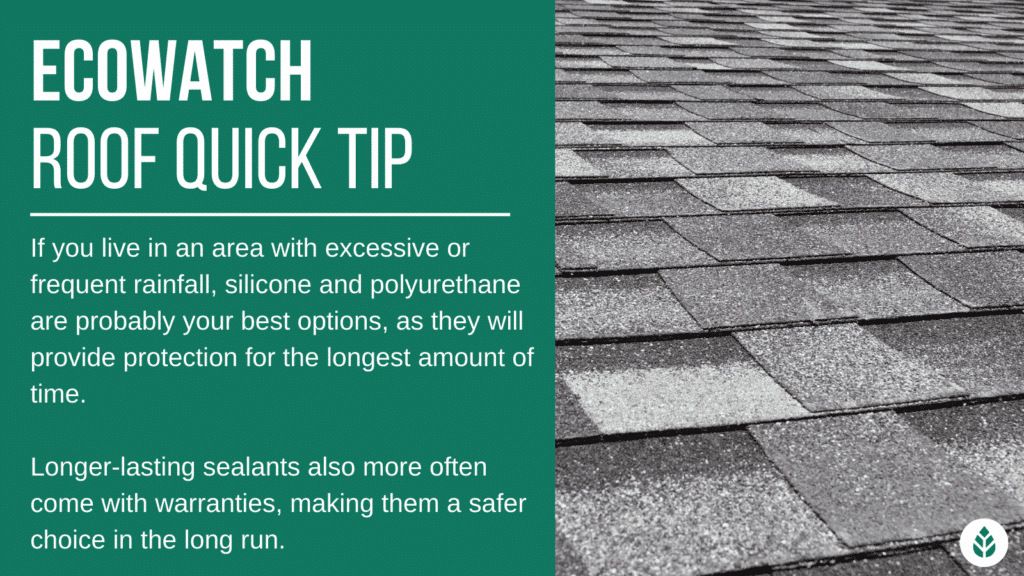
Proper sealing of a shingle roof is of utmost importance for several reasons. First and foremost, it helps prevent leaks and water damage. A well-sealed roof acts as a protective barrier, preventing water from penetrating the roofing system and causing damage to the underlying structure of the house. This is especially important in areas with heavy rainfall or frequent storms, where the risk of water infiltration is higher.
In addition to preventing leaks, proper sealing also extends the lifespan of the roof. By creating a tight seal, it helps to keep the shingles in place and protect them from the damaging effects of harsh weather conditions, such as wind, hail, and UV rays from the sun. A well-maintained and properly sealed roof can last significantly longer than a roof that has not been adequately sealed.
Furthermore, proper sealing ensures the stability of the shingles. Shingles that are not properly sealed may become loose or uplifted, leading to potential issues such as increased susceptibility to wind damage or even complete detachment from the roof. By sealing the shingles securely, you can maintain the structural integrity of the roof and prevent costly repairs or replacements in the future.
Choosing the Right Sealant
Selecting the right sealant for your shingle roof is crucial for achieving effective and long-lasting results. Here are some factors to consider when choosing a sealant:
Consider the type of shingles
Different types of shingles may require different types of sealants. For instance, asphalt shingles may require a different sealant compared to wood or metal shingles. Make sure to choose a sealant that is compatible with the material of your shingles for optimal performance.
Check for compatibility with the roof material
In addition to considering the type of shingles, it is essential to check if the sealant is compatible with the overall roof material. Certain sealants may work well on specific roof materials but could cause damage or discoloration on others. Read the product specifications and consult with a professional if you are unsure about the compatibility.
Select a product with UV protection
The sun’s UV rays can cause significant damage to shingles over time, leading to discoloration, deterioration, and reduced lifespan. Therefore, it is recommended to choose a sealant that offers UV protection. This will help to preserve the color and integrity of the shingles, prolonging the lifespan of your roof.
Choose a sealant with good adhesive properties
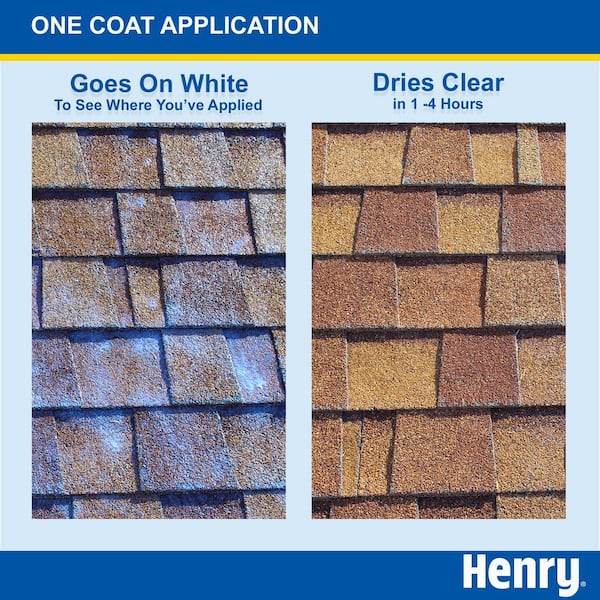
A sealant with strong adhesive properties is crucial for ensuring a secure and long-lasting bond between the shingles and the roof. Look for a sealant that provides excellent adhesion to different surfaces and can withstand the various weather conditions your roof may encounter.
This image is property of images.thdstatic.com.
Preparing the Roof
Before applying the sealant, proper preparation of the roof is essential to ensure a smooth and effective sealing process. Here are the key steps to follow:
Remove any debris
Begin by removing any debris, such as leaves, branches, or dirt, from the roof surface. Debris can interfere with the proper adhesion of the sealant and compromise its effectiveness. Use a broom or leaf blower to clear away any loose debris.
Clean the roof surface
Next, thoroughly clean the roof surface to remove any dirt, algae, or moss that may have accumulated. A dirty roof can also hinder the sealant’s adhesion and may prevent it from properly bonding with the shingles. Use a roof cleaner or a gentle solution of water and mild detergent to clean the surface, and rinse thoroughly with water.
Repair any damaged shingles
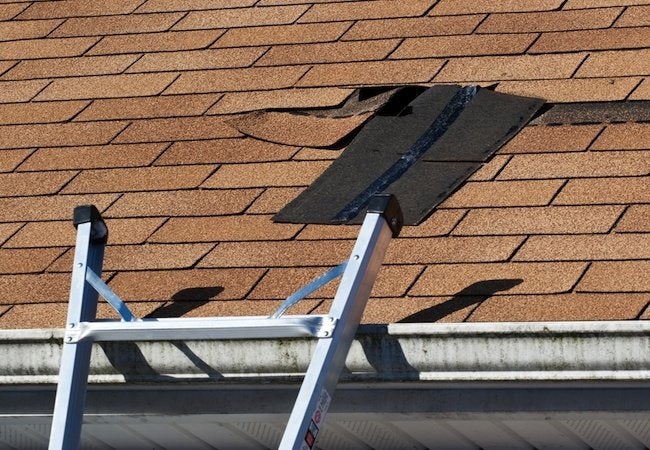
Inspect the roof for any damaged or missing shingles. Replace any damaged shingles before applying the sealant to ensure a uniform and effective seal. Ignoring damaged shingles can lead to water leaks and further deterioration of the roof system.
Replace missing shingles
If you notice any missing shingles, it is important to replace them before sealing the roof. Missing shingles can create weak spots in the roof, making it more prone to leaks and damage. Replace the missing shingles with new ones that match the existing roof to maintain the integrity of the roof system.
Choosing the Right Weather Conditions
Selecting the right weather conditions for sealing your shingle roof is crucial for optimal results. Here are some guidelines to follow:
Select a day without rain or high humidity
It is best to choose a day when there is no rain in the forecast and the humidity is relatively low. Moisture can interfere with the sealant’s ability to cure and form a strong bond. Applying sealant in damp conditions can result in a compromised seal that may not offer adequate protection against leaks.
Avoid extreme hot or cold temperatures
Extreme temperatures, whether hot or cold, can also affect the performance of the sealant. Very hot temperatures can cause the sealant to dry too quickly, leading to inadequate adhesion. On the other hand, extremely cold temperatures can delay the drying process, prolonging the vulnerability of the roof to potential damage. Choose a moderate temperature day for the best sealing conditions.
This image is property of images.thdstatic.com.
Applying the Sealant
Now that you have prepared the roof and selected the appropriate weather conditions, it’s time to apply the sealant. Follow these steps for a successful application:
Gather the necessary tools and equipment
Before starting, gather all the tools and equipment you will need for the application. This may include a brush, roller, caulking gun, or any other tools specified by the sealant manufacturer. Make sure you have everything on hand to ensure a smooth and efficient process.
Start at the lowest point of the roof
Begin applying the sealant at the lowest point of the roof and work your way upward. This ensures that any excess sealant will flow downward, minimizing the risk of pooling or uneven application. Starting at the lowest point also allows you to cover any potential problem areas first, providing additional protection against leaks.
Apply the sealant in a thin and even layer
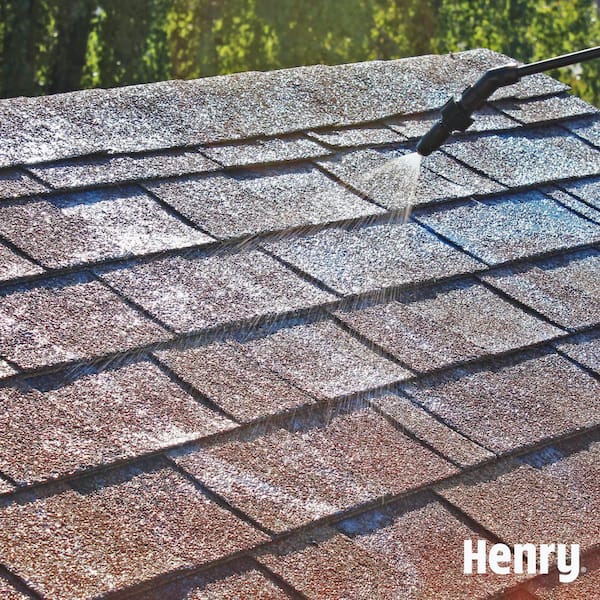
Use a brush, roller, or caulking gun to apply the sealant in a thin and even layer. Avoid applying too much sealant, as this can lead to a bulky appearance and potential issues with adhesion. A thin layer is usually sufficient to create a tight seal while maintaining a visually appealing finish.
Use a brush or roller for application
Both brushes and rollers are effective tools for applying sealant to a shingle roof. Brushes allow for precise application, particularly when dealing with edges and seams. Rollers, on the other hand, can cover larger areas more quickly. Choose the tool that best suits your preferences and the specific requirements of your roof.
Pay attention to the edges and seams
The edges and seams of the roof are areas that are more susceptible to leaks and water infiltration. Therefore, it is crucial to pay extra attention when applying the sealant to these areas. Ensure that the sealant completely covers the edges of the shingles and adequately seals any seams where different sections of the roof meet.
Allowing Sufficient Drying Time
After applying the sealant, it is important to allow sufficient drying time for the product to cure and form a strong bond. Follow these guidelines for optimal results:
Follow the manufacturer’s instructions for drying time
Different sealants may have different drying times, depending on the specific product and weather conditions. Always refer to the manufacturer’s instructions for the recommended drying time. Adhering to these guidelines will ensure that the sealant has adequate time to bond properly and provide the desired level of protection.
Avoid foot traffic or any movement on the roof during drying
During the drying period, it is important to avoid walking on the roof or engaging in any activity that may disrupt the sealant’s curing process. Premature foot traffic or movement on the roof can compromise the bond between the sealant and the shingles, leading to a weakened seal and potential leaks.
This image is property of empire-s3-production.bobvila.com.
Inspecting and Maintaining the Sealed Roof
Regular inspection and maintenance are crucial for ensuring the effectiveness of the sealant and the overall condition of the roof. Here are some important steps to follow:
Regularly check for any signs of damage or leaks
Inspect your roof regularly for any signs of damage or leaks, such as cracked or dislodged shingles, water stains on the ceiling, or damp spots in the attic. Promptly addressing any issues you discover will help prevent further damage and ensure the longevity of your roof.
Remove any debris or vegetation on the roof
Periodically remove any debris, such as leaves, branches, or accumulated dirt, from your roof. Debris can trap moisture and promote the growth of algae or moss, which can compromise the integrity of the seal and lead to damage. Regular cleaning will help maintain the effectiveness of the sealant and prolong the life of your shingle roof.
Perform necessary repairs or resealing
If you notice any damaged or loose shingles during your inspections, it is important to address them promptly. Replace any damaged shingles and reseal any areas where the sealant may have worn off or deteriorated. Timely repairs and resealing will help maintain the integrity of the roofing system and prevent potential leaks or further damage.
Common Mistakes to Avoid
To ensure the longevity and effectiveness of your shingle roof sealant, it is essential to avoid these common mistakes:
Applying too much sealant
Applying an excessive amount of sealant can lead to several issues. It can create a bulky appearance, compromise the aesthetics of your roofing system, and interfere with proper shingle adhesion. Additionally, excess sealant can decrease flexibility and result in cracking or premature deterioration.
Not properly cleaning the roof surface
Failing to thoroughly clean the roof surface before sealing can negatively impact the adhesion and effectiveness of the sealant. Dirt, debris, or algae can prevent the sealant from properly bonding with the shingles, reducing its ability to provide a watertight seal.
Not repairing or replacing damaged shingles
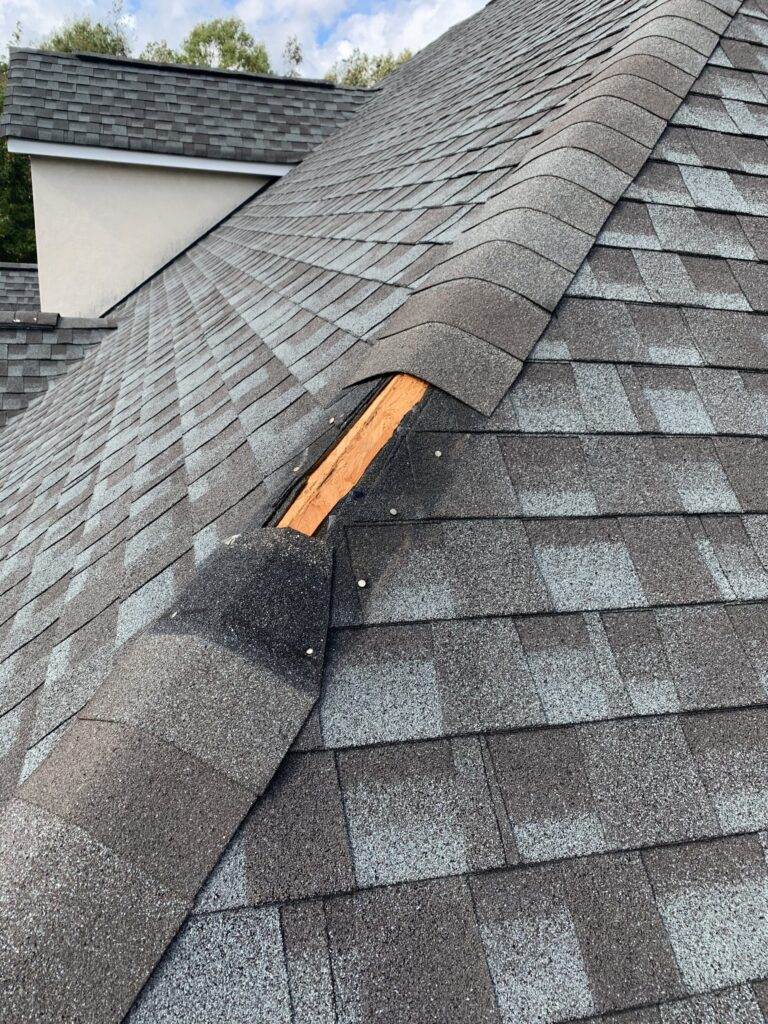
Neglecting to repair or replace damaged shingles can undermine the effectiveness of the sealant and compromise the structural integrity of the roof. Damaged or missing shingles can create weak spots in the roof, making it more susceptible to leaks and damage.
Neglecting to inspect the roof regularly
Regular inspections are vital for identifying any signs of damage, leaks, or sealant wear and tear. By neglecting to inspect the roof regularly, you may miss early warning signs and allow problems to worsen over time, leading to more significant damage and costly repairs.
This image is property of mctoolman.com.
Additional Tips for Long-Lasting Sealing
To ensure the long-lasting sealing of your shingle roof, consider implementing these additional tips:
Consider using a sealant specifically designed for shingle roofs
There are sealants available on the market that are specifically formulated for shingle roofs. These sealants are designed to provide optimal performance and durability for this particular type of roofing material. Consider using such a sealant to maximize the longevity and effectiveness of your shingle roof seal.
Consult professional roofers for guidance and assistance
If you are unsure about the sealing process or encounter any difficulties, it is highly recommended to consult professional roofers. Roofing experts have the knowledge, experience, and specialized tools to properly evaluate your roof’s condition and provide guidance on the best sealant and application techniques to use.
Follow proper safety precautions when working on the roof
Roof work can be dangerous, especially when working at heights. It is crucial to prioritize safety and take appropriate precautions when accessing and working on the roof. Wear proper safety gear, use secure ladders or scaffolding, and follow safety guidelines to minimize the risk of accidents or injuries.
Conclusion
Proper sealing is crucial for the longevity and performance of a shingle roof. By preventing leaks and water damage, extending the lifespan of the roof, and ensuring the stability of the shingles, a well-sealed roof offers protection and peace of mind. By choosing the right sealant, preparing the roof adequately, applying the sealant correctly, and allowing sufficient drying time, you can achieve a long-lasting and effective seal. Regular inspection, maintenance, and prompt repairs are essential for preserving the sealant’s integrity and addressing any potential issues. By avoiding common mistakes, considering additional tips, and consulting professionals when needed, you can ensure the durability and effectiveness of your shingle roof seal. Prioritize the proper sealing of your shingle roof and enjoy the benefits of a well-protected and long-lasting roofing system.
source https://roofingrepairspecialists.com/sealing-tips-for-a-long-lasting-shingle-roof/

No comments:
Post a Comment