Steps Involved in the Roof Repair Process
Are you looking to repair the roof of your home or business? Doing so may seem intimidating, but it doesn’t have to be! In this blog post, we’ll walk you through the steps involved in the roof repair process. From assessing your roof’s condition to finding a good contractor, we’ll cover all the basics and provide valuable tips to help you get the job done right. So, buckle up, and let’s begin!
Preparation for Roof Repairs
Before you start any roof repair, you must ensure you prepare the area. This includes inspecting the roof to identify any issues, such as loose or damaged shingles, and removing debris, such as leaves and twigs. You should also check the area around the roof to see if anything is blocking the job’s progress. This could include power lines, nearby trees, or other obstacles.
Once you have inspected the area, you can start the repair process.
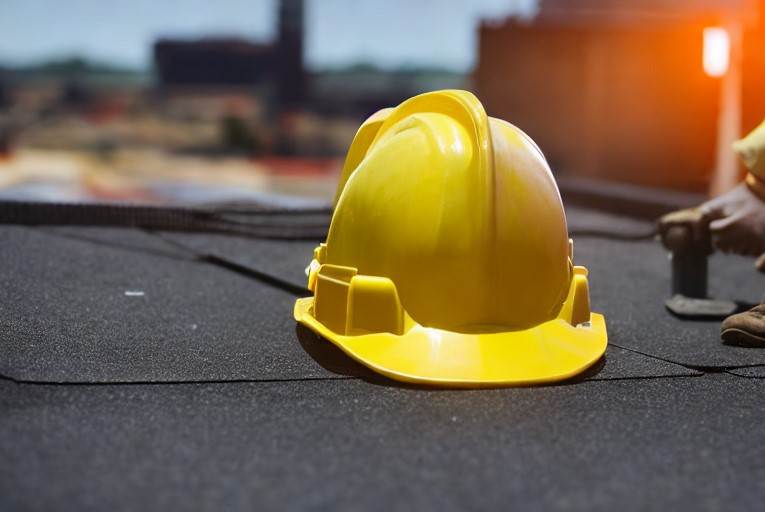
Assess the extent of the damage.
A roof repair project can be an overwhelming and confusing task. Still, if you break the process into manageable steps, you can handle any repair job with confidence and skill. For example, the first step in repairing your roof is to assess the extent of the damage and determine what repairs need to be done.
Start your assessment by examining the interior of your home for signs of water damage or water intrusion. If you notice any spots on walls, ceilings, or floors that look damp, discolored, stained, or peeling, your roof may leak. It is important to note where water is entering your home, as this will help you pinpoint problems and assist in repairs.
Once any interior damage is identified and noted, it’s time to inspect the outside of your home for signs of significant damage or leaks. Look up at your roof from the ground level or use a ladder or binoculars to examine problem areas closely. You should also check around vent pipes and other items that may penetrate through your roof, as these could also be culprits of internal water penetration into your home. During this assessment stage, you may find:
- missing shingles
- discoloration on shingles due to weathering
- standing pools of water along flat surfaces near drains or around chimneys
- buckling shingles due to improper installation etcetera
All these are signs that roof repairs are necessary. Ensure to note any significant problems so that once you start with repairs, they will be included during subsequent stages.
Identify the type of roof.
Before beginning any roof repair project, it is essential to identify the type of roof in question and the materials used in the construction. This can be done by checking the manufacturer’s specifications or contacting a professional roofer. Understanding the material that makes up your roof will help you choose and apply products needed for repair. It will also help you determine whether or not it is necessary to replace entire sections of your roof or if simple repairs are sufficient.
Knowing what construction material was used will allow you to assess whether the damage is limited to a specific area, how deep the damage has gone, and how much area needs repair. In addition, understanding what materials were used in initial construction helps determine which materials are best suited for replacing damaged portrait panels due to wear and tear over time.
Gather the necessary materials.
Before you repair a damaged roof, you must ensure you have all the necessary materials. Roof repair requires various materials, from essential tools like hammers, nails, and shingles to specialized items like roofing tar and flashing tape.
Make sure to have the following:
- Essential Tools: hammer; nail puller; utility knife; measuring tape; ladder; and flashlight.
- Roofing Materials: Asphalt-saturated felt paper (or “tar paper”); shingles in the same color, type, and size as those being replaced or intermixed if changing colors on the roof’s surface; roof patch kit containing asphalt-saturated repair fabric, sealant adhesive and metal flashing as needed.
- Other Items: Plastic sheeting to protect walkways around the project area; power drill with a masonry bit for installing metal flashing in areas where wood or siding removal is required.
Repair
Repairing a roof is no small task. Ensuring the job is done correctly takes a lot of skill and knowledge. However, the process is relatively simple.
Let’s discuss the steps involved in the roof repair process so you can be confident when tackling a roof repair project:
Remove the old roofing material.
The first step is removing existing roofing materials to begin the roof repair. This should be done with great caution, as it can be dangerous.
- Start by removing any damaged shingles and flashing from around the repair area.
- Then, use a flat pry bar to remove any large pieces of roofing material that may remain.
- Be sure to check for nails or other sharp objects that may remain in the area, and wear protective gear when working with these materials.
- It is also essential to ensure no protruding nails or staples left behind from previous parts of the installation that could potentially cause harm later down the line when you are re-roofing.
- Once the old material has been removed, you can begin replacing it with new material.
Repair or replace damaged areas
Repairing or replacing damaged areas is a crucial step in roof repair. Depending upon the extent of damage, you will need to decide whether to repair or replace the stricken area. If only a tiny portion of your roof is damaged, you may be able to fix it yourself with minimal disruption; however, most cases will require professional assistance.
The first step in roof repair is to identify and assess the damage. Inspecting all parts of your roof’s surface can help uncover potential problems before they become a significant concern. Look for signs like cracked shingles, leaking gutters, and broken tiles that may indicate more serious underlying issues. Call a professional for an assessment before attempting any DIY solution if your inspection reveals anything unusual.
If you decide to carry out the repairs independently, ensure you know all safety considerations before commencing work on top of your home’s rooftop. When attempting repairs and future maintenance, utilize ladder brackets for extra stability. When climbing onto the roof, always wear sturdy shoes with full ankle support and long pants and sleeves, such as leather or thick jeans. Once repairs are complete, use sealant liberally throughout shingles and around the edges for maximum protection against water penetration during violent storms or heavy rainfall.
Install the new roofing material.
Once you have completed the assessment and removal of the old roofing material, the next step in roof repair is to install the new roofing material. The exact steps involved will vary depending on the type of material you are using, but generally speaking, it involves:
- Unroll the layers of felt paper, carefully lining them up so that all joints overlap by about 1 inch (2.5 cm). Use staples or nails to secure each overlapping layer.
- Install drip edges along all edges of your roof – these metal strips will help ensure that water runs down instead of under your shingles.
- Lay out an even course line with chalk – this helps ensure that shingle rows are laid out as straight as possible.
- Start at the lower corner, securing starter strip shingles with nails or staples. Always work up and away from valleys towards higher areas; apply shingle adhesive over each row before placing it on the top course line.
- Use a flat-blade putty knife to spread 3-tab shingle adhesive over the upper surface. Gently lay each tab onto its slot at a 20-degree angle (about noon); press firmly along the shingle tabs until adhesive sets into place; fasten the edges around the eaves and rake through nail gun or hammer and nails at six-inch intervals along every side.
- Finish the job by applying ridge cap shingles along the peak and sides twice during the installation process – use clip-like features built into ridge caps for attaching tabs rather than using nails or other fasteners to keep them sealed securely during wind gusts or storms.
Finishing
The finishing stage of the roof repair process is essential to ensure that your roof repair job is completed correctly. This stage includes the installation of metal flashing, any necessary caulking, and shingle replacement. It is also essential to check for any signs of leaks or damage.
Once any of these issues have been addressed and the finishing touches have been applied, the repair job is complete.
Apply the sealant
Once all repair materials have been properly inserted and set into the roof decking, misapplying a sealant to all seams, corners, and transitions is time. The type of sealant used will depend on the roofing material you are using and will usually come with specific instructions from the manufacturer.
You may need an adhesive primer before applying the sealant; most primers can be brushed or sprayed with a garden sprayer. Once it has dried as the product manufacturer prescribes, apply a continuous bead of sealant along all seams, corners, and transitions. Be generous in your application so that gaps are filled and sealed. You may need to use a specialized sealant such as silicone caulk for more detailed areas, such as around roofing protrusions or chimneys.
Use a waterproof-rated silicone caulk around any fasteners or metal flashing penetrating the roof surface. Allow sufficient cure time (generally 24 hours) for the sealants before subjecting them to water inundation or traffic.

Inspect the roof for any additional repairs
Properly inspecting the roof is the first and most crucial step in roof repair. Before beginning any repair work, it is essential to make sure that all defects have been identified. This may involve performing a visual inspection on ladders or with binoculars, as well as an infrared camera or thermal imaging examination of the area in question.
Inspections should include the following:
- Assessing shingles for visible signs of damage, such as missing, torn, or curling shingles.
- Checking for water infiltration through broken seals around flashing or vents.
- Examining boards or insulation for mold, rot, or decay damage.
It may also be necessary to check the roof’s surface more carefully to identify specific soft spots, indicative areas of the underlying structure that have become weak due to age, high winds, improper maintenance, or extreme variations in temperature. A careful inspection will highlight essential components that need attention before any repairs, such as broken pipes, misplaced nails, and damaged vents. It is essential to assess the apparent conditions on view and those that may not be readily detectable.
In addition to visual inspections, a qualified technician may suggest also taking electronic readings of moisture in timber and other materials during repairs where removal and replacement are needed due to age-related rot or decay. By conducting inspections that encompass structural and finishing elements such as gutters and downspouts, a contractor can ensure the long-lasting renewal of your roof properly and safely after storms or other external influences have caused the damage.
Clean up the work area
Once all the repair work is complete, cleaning up the work area is essential. Start by removing all tools and materials from the roof and any nails or screws used during the repair process. Be careful when walking on the roof to avoid additional damage. Use a broom or blower to clean away any debris created during the repair process.
Sweep over joints, seams, ridges, valleys, and eave lines to remove dirt or other contaminants that could accumulate over time. It’s also vital to inspect the nails and sealants after cleaning for any potential problems that could develop due to water leakage. Lastly, always check manufacturer specifications before using any products on your roof, as some individual elements may have specific requirements.
source https://roofingrepairspecialists.com/roofing-repair-manual/

No comments:
Post a Comment