Common Roofing Problems and How to Repair Them
Do you have roofing problems? Then, you’re in good company. Many homeowners experience the same roofing issues – from water leaks to missing shingles. This blog will teach you the most common roofing problems and how to fix them. So be ready to sort out your roofing issues!
Common Roofing Issues
A roof is an essential part of any building. It protects against rain, wind, and snow. Regular maintenance is critical to keeping the roofing system in good shape. Common roofing issues can appear due to weather, wrong installation, or lack of maintenance.
- Ice dams are one common problem in winter. Pressure from the snow or ice can cause cracks and leaks, resulting in damage. Also, ice dams create safety hazards.
- Damaged chimneys can let water inside the building. In addition, they are exposed to the weather since they stick out above the roofline. Masonry work or material degradation can cause problems.
- Leaky roofs can lead to water seeping inside walls and ceilings. This can happen if tiles or slates wear out.
- Skylights can give off natural light, but if not installed correctly, air can be trapped between panes resulting in condensation or air escaping into a building.
- Falling trees and branches can cause extensive damage. Therefore, it’s essential to have regular inspections and maintenance to address this issue.
The National Roofing Contractor’s Association reports that 84% of roof replacements require repairs and maintenance. Therefore, homeowners should hire professionals to minimize the risks of common roofing issues.
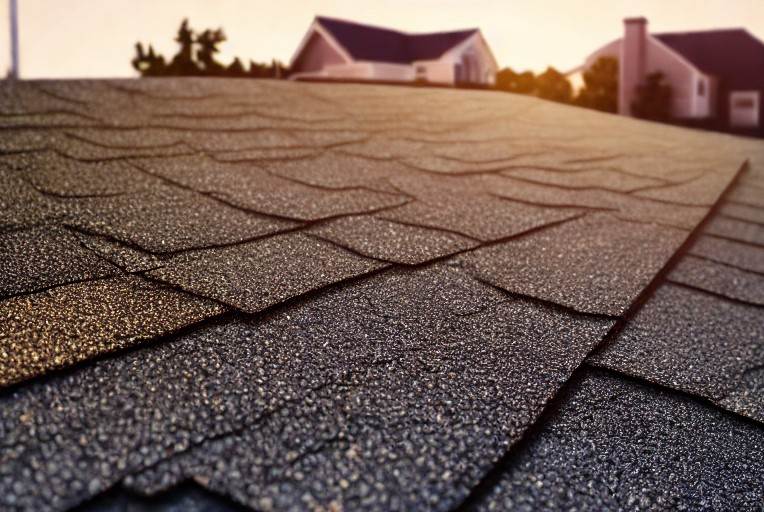
Signs of Roof Damage
Fear of roof damage plagues every homeowner, but it mustn’t be ignored. Evidence of roof damage can be transparent or subtle; if left too long, more extensive and costly problems may arise.
Look out for these six signs of roof damage:
- Leaks – The roof will likely leak if water drips through walls or ceilings.
- Missing Shingles – Trees or strong winds can cause this–must be fixed ASAP.
- Cracked or Worn Flashing – Where the roof meets other surfaces (e.g., chimneys, vents) is protected by flashing. When this wears down, water can enter and cause damage.
- Curling, Buckling, or Missing Tiles – This damage only affects roof-tiled homes.
- Peeling Paint or Stains on Walls or Ceilings – Water getting in due to roof damage.
- Mold – Moisture often indicates roof damage.
Repairing in time saves money; experts estimate $150-$400. However, paying attention to the issue can cost thousands when replacing the roof.
Before hurricanes Laura and Delta, homeowners were already repairing tree-related roof damage. However, to protect against further disasters, regular maintenance is essential.
Inspect your roof annually for signs of damage. Minor problems left unchecked can lead to significant issues. Call a professional if anything is noticed. Remember: prevention is better than cure.
Roof Maintenance Tips
Regular maintenance is a must for the longevity and safety of any roof. Inspect and repair it regularly to avoid damage, leaks, or other issues. Here are some helpful tips for keeping your roof in good shape and saving costly repairs.
- Firstly, keep gutters debris-free. Leaves and branches can cause water to overflow onto your roof. Clean gutters twice a year.
- Secondly, check for cracked or missing shingles. Replace damaged parts to prevent further deterioration.
- Thirdly, trim overhanging tree branches. This will stop leaves from clogging the system. Don’t scratch off moss or algae buildup, as this can damage the roof.
- Fourthly, schedule regular maintenance with professional roofers if you need more than DIY measures. They can spot issues before they become significant problems.
Consistency is key. Take your time with visible problems – catching more minor issues early is essential. Take safety precautions when going up on the roof. For example, call a professional roofer if you see curling shingles or water spots on ceilings. This will save time and money in the long run.
Roof Leak Repair
Roof Leak Repair is all too familiar to homeowners. Storms or aging roofs can cause them. Not handled quickly, they can bring mildew and water damage to your home.
To fix a roof leak, there are three main steps:
- Locate the source by checking for any holes or signs of damage.
- Patch up any holes/ damage with roofing patches or silicone caulk.
- Replace any damaged shingles or tiles to protect the roof.
But Roof Leak Repair isn’t just about fixing the leak. It’s also preventing future ones. So keep the roof maintained, and remember to trim trees around the house.
I learned the hard way. A storm flooded my basement from a severe roof leak. Unfortunately, I neglected regular maintenance checks, so the repair was expensive. This taught me how important it is to inspect and repair BEFORE issues get too big.
Shingle Repair
Regarding roofing woes, ‘Shingle Repair’ is an important matter that can’t be overlooked. High winds, hailstorms, and snow can cause the shingles on your roof to become damaged. Fixing them can extend the life of your roof and stop water from entering your home. Here’s a five-step guide to help you repair your shingles:
- Locate the broken shingles – Look for signs like cracking, curling, or nonexistent shingles.
- Eliminate the old shingles – Use a pry bar to lift the edges of the faulty shingles, then slide them out.
- Cut new shingles – Cut new asphalt shingles that match the color of your existing roof to cover the empty area.
- Set up the new shingle(s) – Slide each piece in place and secure them with roofing nails.
- Sealant use – Apply sealant around each fastening to hold down the new shingle.
It’s worth noting that clumsy installation can also damage your shingles. A trained roofer will ensure they use suitable materials and attach them correctly.
If you spot any signs of cracked or ruined shingles on your roof, don’t hesitate to contact experts for help. But if you’re doing it yourself, observe safety precautions.
Here are some valuable tips for successful Shingle Repair: remove snow cautiously from your roof, or inspect your roof equipment at least twice yearly for any damage caused by bad weather or other exterior factors. Doing this often enough will let you spot these problems early and avoid more serious issues.
Flashing Repair
Regarding roofing problems, one of the most common issues homeowners face is flashing damage. Flashing works as protection between different roof surfaces and prevents water from coming into the house. If repair is not done, leaks and other costly damage may occur. This article will explain how to do flashing repair well.
- Step 1: Locate the Damaged Flashing
- The first step is to find out where the damage is. Look for discoloration or water stains on the walls and ceilings. These might show there is a leak. Inspect the area around it to see if any other flashing parts are damaged.
- Step 2: Take Out Old Flashing
- You must remove any old or damaged materials before installing new flashing. Use a pry bar or pliers to remove screws, nails, or adhesive holding the old flashing. Make sure you don’t damage the nearby roof materials.
- Step 3: Put in New Flashing
- Once you’ve removed all existing flashes and prepared the area, you can start installing the new material. Metal and rubberized flashings address various roofing needs. There are also drip edges that keep water from collecting in valleys. Choose the right kind before you start. When you find suitable replacement material with a perfect fit, secure it tightly with screws, adhesive, and overlapping pieces. This will make the flashing last longer.
Flashing repair is essential for a healthy roof. Knowing about them helps make better decisions when problems arise, saving money on roofing services.
We had the same problem at our home. We had to call a pro. After inspecting, the roofing expert found many damaged spots in our flashing. So, we had to replace them all. After taking the necessary steps and installing new flashings, the results were great – no more leaks!
Ventilation Repair
When it comes to roofing, one issue you may face is ventilation repair. Fresh air is necessary for a long-lasting roof and a healthy home. Without good ventilation, the attic can become moist, damaged insulation, and cause mold growth. That’s why ventilation repair is essential.
Ventilation repair helps air circulation. It involves installing a vent on the roof’s top side. This allows fresh air to enter the attic and leave through other vents. Unfortunately, these vents also stop too much moisture, which weakens roof materials.
Different roofs need different approaches to ventilation repair. The most common method is installing a vent along the roofline ridge. Hot and dry air rises to the open air, mixing.
If you have roofing issues like this, seeing an expert is best. But if you want to fix the problem, try installing free space or roof vents. Also, check for leaks and fix them as soon as possible.
Chimney Repair
Chimney Repair – an often overlooked important topic in roofing repair. Let’s take a closer look at this essential element of roof maintenance.
Chimney repair means fixing any cracks, damage, or leaks in the chimney system. This involves examining elements such as bricks, mortar, flue liner, damper, and crown. The aim is to ensure no hazardous gases or smoke enter your home. And also guarantee proper ventilation around your house.
There are several reasons why you may need chimney repair. Age and weathering are the main ones. Bricks and mortar used to construct chimneys can deteriorate over time due to exposure to rain or snow. This can cause rusting in flues, damage to firebricks, and clogging of dampers, hindering ventilation.
According to the National Fire Protection Association (NFPA), all homeowners should have their chimneys checked by certified professionals for residential usage once a year. Professional inspection guarantees your chimney is safe and suitable for regular use.
Conclusion
Analyzing roofing problems and their repairs has been done. It’s time for a conclusion! This summarizes the main points discussed and encourages readers to act.
The conclusion is a call to action. It urges readers to maintain and repair their roofs for safety and durability. Neglecting roofs can lead to more significant problems, requiring more time and money to fix.
The conclusion brings together the data and connects concepts with concise language. Regular inspections by experienced roofers are emphasized as they can identify potential issues that can be fixed before becoming costly.
Historically, roofing materials such as straw or wooden shakes were used, and they had poor durability when exposed to the weather. Today’s roofing has come a long way, but it’s up to homeowners to take action and maintain their roofs.
source https://roofingrepairspecialists.com/roofing-repair-tips-for-various-roofing-issues/

No comments:
Post a Comment